What Does Tirtha Mean
The word tirtha literally means a ford or crossing place - a shallow spot where one can cross a river. In spiritual terms, a tirtha is a sacred place where the seeker can cross over from the worldly to the divine, from ignorance to wisdom. These are sites charged with holiness, often by the presence of a deity, a saint, or a great event from scripture, where prayer and purity are believed to bear special fruit.
The Char Dham - Four Abodes
The Char Dham are the four most sacred abodes of Hindu pilgrimage, established in tradition as Badrinath (north), Dwarka (west), Puri (east) and Rameshwaram (south). Visiting all four is considered a lifetime achievement that purifies the soul and grants great spiritual merit. There is also the smaller Chota Char Dham in Uttarakhand - Yamunotri, Gangotri, Kedarnath and Badrinath - a beloved Himalayan pilgrimage.
Sapta Puri and Sacred River Sangams
The Sapta Puri are seven holy cities that grant liberation - Ayodhya, Mathura, Haridwar, Kashi (Varanasi), Kanchi, Avantika (Ujjain) and Dwarka. Equally sacred are the river sangams (confluences), above all the Triveni Sangam at Prayagraj where the Ganga, Yamuna and the invisible Saraswati meet. The Kumbh Mela, the largest spiritual gathering on earth, is held at these river tirthas, where a holy dip is believed to wash away lifetimes of impurity.
Why Pilgrimage Is Sacred
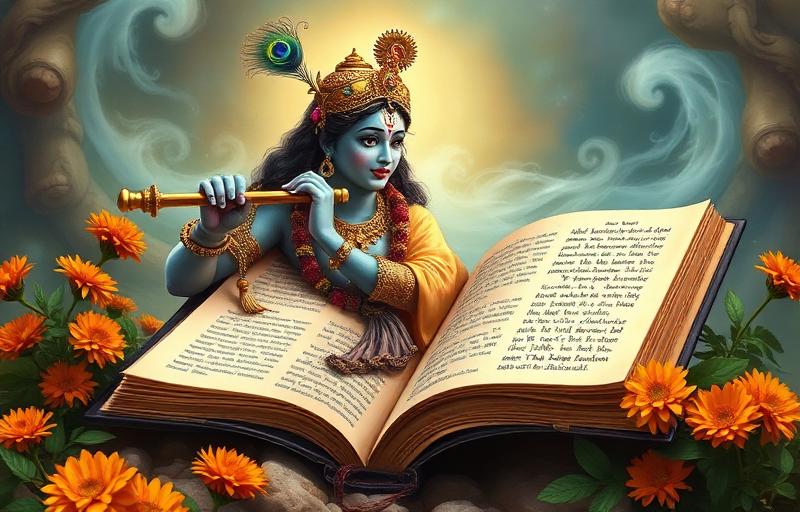
Pilgrimage is more than travel - it is a journey of devotion that demands effort, patience and surrender. Leaving the comfort of home, enduring hardship for darshan, and walking among countless fellow devotees all soften the ego and deepen faith. Scriptures praise tirtha-yatra as a means to gain merit, atone for past mistakes, and turn the heart wholly toward God, away from daily distractions.
The Inner Tirtha
The deepest teaching is that the truest tirtha lies within. Saints remind us that bathing in outer rivers cleanses the body, but the inner tirtha of truth, compassion, self-control and contentment cleanses the soul. As the saying goes, mann changa to kathauti mein Ganga - if the heart is pure, the Ganga flows even in a small bowl of water at home. Outer pilgrimage is fulfilled only when it awakens this inner purity.
How to Undertake a Pilgrimage
A pilgrimage is best begun with a clear sankalp (vow) and a humble, devotional attitude. Travel simply, keep speech and conduct pure, offer prayers at each shrine and treat fellow pilgrims with kindness. Avoid treating the yatra as mere tourism - the merit lies in the bhava (feeling) behind it. Many devotees also serve the poor or make donations along the way, turning the journey into an act of selfless giving.
Pilgrimage in Modern Life
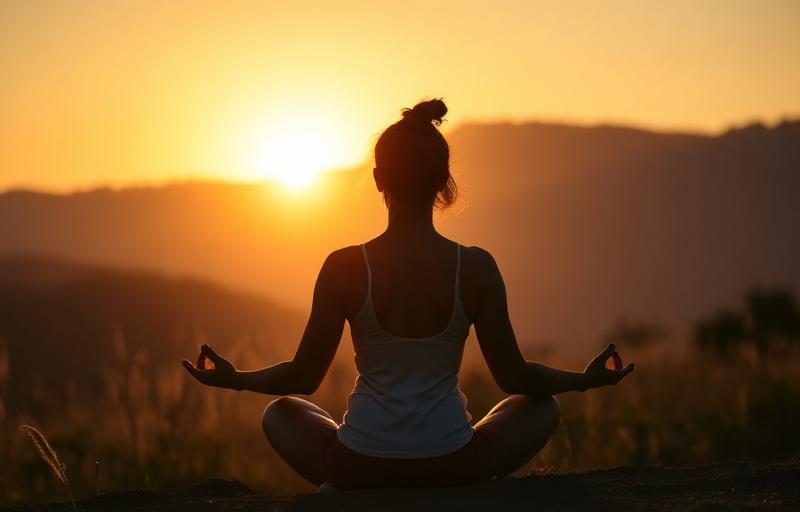
Even in busy modern life, pilgrimage offers a powerful pause - a chance to step away from routine, reconnect with faith and find perspective. Whether visiting a great dham or a small local temple, the spirit of tirtha is the same wherever it is approached with sincerity. The lasting fruit of any pilgrimage is a gentler, more grateful and more devotional heart carried back into everyday life.
Frequently Asked Questions
What is a tirtha in Hinduism?+
A tirtha literally means a crossing place or ford. Spiritually it is a sacred site where a devotee can cross over from the worldly to the divine, made holy by a deity, a saint or a great scriptural event.
What are the Char Dham?+
The Char Dham are the four most sacred abodes - Badrinath, Dwarka, Puri and Rameshwaram. There is also the Chota Char Dham in Uttarakhand - Yamunotri, Gangotri, Kedarnath and Badrinath.
What are the Sapta Puri?+
The Sapta Puri are seven holy cities believed to grant liberation - Ayodhya, Mathura, Haridwar, Kashi (Varanasi), Kanchi, Avantika (Ujjain) and Dwarka.
Why is a holy dip at a river sangam important?+
River confluences like the Triveni Sangam at Prayagraj are sacred tirthas where a holy dip is believed to wash away impurity and grant merit. The Kumbh Mela is held at these river tirthas.
What is the inner tirtha?+
The inner tirtha is the purity within - truth, compassion, self-control and contentment. Saints teach that bathing in rivers cleanses the body, but the inner tirtha cleanses the soul, as in 'mann changa to kathauti mein Ganga'.
How should a pilgrimage be undertaken?+
Begin with a clear sankalp and a humble, devotional attitude. Travel simply, keep conduct pure, pray at each shrine and treat fellow pilgrims kindly. The merit lies in the bhava, not in treating it as tourism.
About the author
Pandit Ravindra Sharma · Vedic Rituals & Bhakti, 22+ years
Pandit Ravindra is the Vandnaa editorial team's resident specialist on aarti, chalisa, and daily devotion. He has performed home and temple pujas across Varanasi and Delhi for over two decades and contributes the bhakti-focused articles on this site.
Meet the Vandnaa editorial team →Explore on Vandnaa
Related Articles
Char Dham Yatra (Uttarakhand) - Badrinath, Kedarnath, Gangotri, Yamunotri Complete Guide
10 min read
12 Jyotirlinga - Complete List, Names, Locations, Significance + Yatra Guide
10 min read

The Four Vedas - Rig, Yajur, Sama, Atharva Explained
10 min read
The 14 Lokas (Worlds) in Hinduism Explained
10 min read

Moksha & the 4 Purusharthas - Dharma, Artha, Kama, Moksha
9 min read
What is Yagna (Yajna) - Significance & Types
10 min read