What Is the Ganesha Ashtottara Shatanamavali?
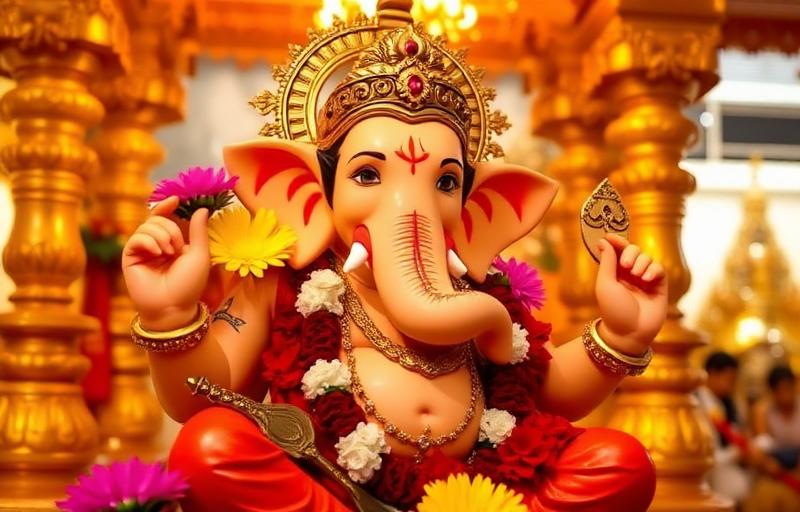
The Ganesha Ashtottara Shatanamavali is the litany of 108 names of Lord Ganesha, the elephant-headed son of Shiva and Parvati, worshipped first in every Hindu ritual. Each name is chanted as Om ... Namah, for example Om Ganeshaya Namah.
Ganesha is Vighnaharta (remover of obstacles) and Vighnakarta (placer of obstacles where needed), the lord of beginnings and the giver of buddhi (wisdom) and siddhi (success). His 108 names describe his form, his powers and his loving nature. Reciting them is an auspicious way to open any new venture and to invite his blessings of success and good fortune.
A Selection of Key Names with Meaning
Below is a representative selection from the full 108; each is chanted as Om ... Namah.
- गणेश (Ganesha) - lord of the ganas (Shiva's attendants)
- गणपति (Ganapati) - leader of the ganas
- विघ्नहर्ता (Vighnaharta) - remover of obstacles
- विनायक (Vinayaka) - the supreme leader and remover
- गजानन (Gajanana) - the elephant-faced one
- लम्बोदर (Lambodara) - the large-bellied one
- एकदन्त (Ekadanta) - the single-tusked one
- वक्रतुण्ड (Vakratunda) - the curved-trunk one
- गौरीसुत (Gaurisuta) - son of Gauri (Parvati)
- हेरम्ब (Heramba) - the protector of the weak
- धूम्रवर्ण (Dhumravarna) - of smoke-grey colour
- विकट (Vikata) - the huge, mighty form
- गणाध्यक्ष (Ganadhyaksha) - chief of the ganas
- भालचन्द्र (Bhalachandra) - moon-crested
- मूषकवाहन (Mushakavahana) - whose vehicle is the mouse
- सिद्धिविनायक (Siddhivinayaka) - the giver of success
- मंगलमूर्ति (Mangalamurti) - the embodiment of auspiciousness
- एकाक्षर (Ekakshara) - of the single syllable (Om / Gam)
- बुद्धिप्रिय (Buddhipriya) - lover and giver of wisdom
- सुमुख (Sumukha) - the beautiful-faced one
- कपिल (Kapila) - the tawny-coloured one
- प्रसन्नमूर्ति (Prasannamurti) - the ever-cheerful form
This is a selection from the traditional 108; reciting the complete Ashtottara Shatanamavali covers all the names.
Significance of the 108 Names
Because Ganesha is worshipped first in every ritual, his 108 names are among the most recited litanies in Hindu homes. Many names describe his unique form - Gajanana (elephant face), Lambodara (large belly), Ekadanta (one tusk), Mushakavahana (mouse vehicle) - each carrying a deeper teaching of wisdom, humility and balance.
Other names reveal his role - Vighnaharta removes obstacles, Siddhivinayaka grants success, Buddhipriya gives wisdom. To chant the namavali is to ask the lord of beginnings to clear the path, steady the mind and bless every new effort. The sacred count of 108 makes it a complete round of remembrance, perfect before exams, journeys, weddings or any new venture.
Benefits & How to Chant
Benefits:
- Removal of obstacles from new ventures and daily life
- Wisdom (buddhi), focus and clear thinking
- Success (siddhi) and auspicious beginnings
- Calm, confidence and protection from negativity
- Blessings before exams, journeys, weddings and business
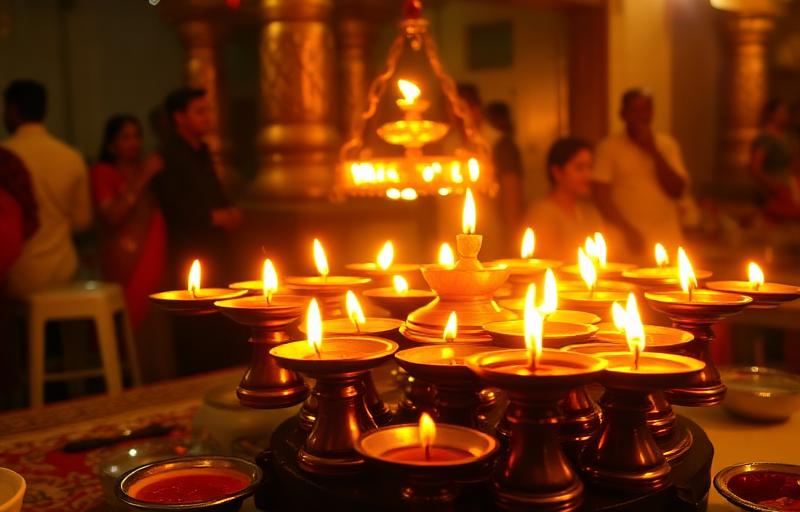
How to chant: 1. Best days: Wednesday and Tuesday, Chaturthi (especially Sankashti and Vinayaka Chaturthi) and the whole Ganesh Utsav of Bhadrapada are most auspicious. 2. Setup: Sit before a Ganesha image, light a ghee lamp and offer durva grass, red flowers, modak or laddu and fruit. 3. Recite the full Ashtottara Shatanamavali, each name as Om ... Namah, ideally with a rudraksha or red sandalwood mala. 4. If short of time, chant 'Om Gam Ganapataye Namah' 108 times and reflect on a few names. 5. Begin any new task after this, and conclude with Ganesh aarti and modak prasad.
Durva grass and modak are especially loved by Ganesha, so including them completes the worship.
Common Questions From Devotees
How many names are in the Ganesha Ashtottara Shatanamavali?+
There are 108 names. The Ashtottara Shatanamavali is the 108-name litany of Ganesha, each chanted as 'Om ... Namah' such as Om Ganeshaya Namah or Om Vighnaharta Namah.
What do names like Lambodara and Ekadanta mean?+
Lambodara means 'the large-bellied one', symbolising the capacity to digest all of life's experiences. Ekadanta means 'the single-tusked one', recalling how Ganesha broke off a tusk and is a symbol of single-minded focus and sacrifice.
When is the best time to chant Ganesh's 108 names?+
Wednesday and Tuesday, Chaturthi (Sankashti and Vinayaka Chaturthi) and the Ganesh Utsav in Bhadrapada are most auspicious. Chanting before starting any new venture, with durva grass and modak offerings, is the traditional way.
Why is Ganesha worshipped first in every puja?+
Ganesha is the lord of beginnings and the remover of obstacles (Vighnaharta), and was given the boon of being worshipped first. Invoking him at the start clears hurdles and ensures any ritual or task proceeds smoothly.
About the author
Acharya Vinaya Kapoor · M.A. Sanskrit, Mantra & Stotra Studies
Acharya Vinaya holds an M.A. in Sanskrit from Banaras Hindu University and writes the mantra and stotra commentary on Vandnaa. Her focus is on accurate pronunciation, traditional context, and helping modern readers connect with classical texts.
Meet the Vandnaa editorial team →