What Is the Ganesh Pancharatnam Stotram?
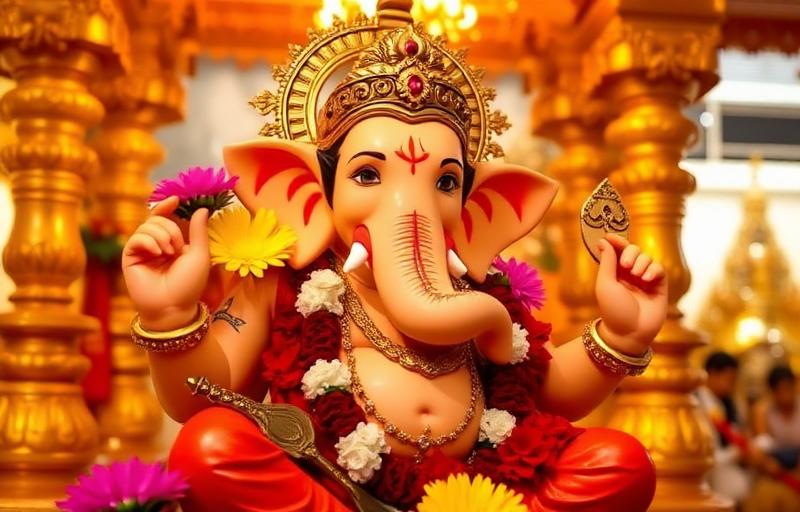
The Ganesh Pancharatnam (literally 'the five jewels of Ganesha') is a short, beautiful hymn of five verses in praise of Lord Ganesha, composed by Adi Shankaracharya. It opens with the famous line Mudakaratha Modakam Sada Vimukti Sadhakam.
Each verse is a 'ratna' (jewel) describing the form, qualities and grace of Ganesha - the remover of obstacles (Vighnaharta) and the lord of wisdom. The metre is fast, rhythmic and joyful, which makes the stotram a delight to chant aloud. It is widely recited during Ganesh Chaturthi, on Tuesdays and at the start of any worship or new venture.
The Opening Verse - Mudakaratha Modakam
Verse 1 (Devanagari): मुदाकरात्तमोदकं सदा विमुक्तिसाधकं कलाधरावतंसकं विलासिलोकरक्षकम्। अनायकैकनायकं विनाशितेभदैत्यकं नताशुभाशुनाशकं नमामि तं विनायकम्॥
Transliteration: Mudakaratha Modakam Sada Vimukti Sadhakam Kaladharavatamsakam Vilasiloka Rakshakam Anayakaika Nayakam Vinashitebha Daityakam Natashubhashu Nashakam Namami Tam Vinayakam
Meaning: I bow to that Vinayaka who holds a sweet modaka in his hand and ever grants liberation, who wears the crescent moon as an ornament and protects the shining worlds, who is the one leader of those without a leader, who destroyed the elephant-demon, and who swiftly removes the misfortunes of those who bow to him.
The word modaka (the sweet) is also a pun on moda (joy) - Ganesha holds the very source of bliss in his hand.
The Five Jewels - Theme of Each Verse
Each of the five verses praises Ganesha from a different angle and ends with Namami Tam Vinayakam - 'I bow to that Vinayaka':
- Verse 1 - Mudakaratha Modakam: Ganesha as the giver of liberation and remover of misfortune, holder of the modaka.
- Verse 2 - Natetaratitabhayam: He removes the fear of his devotees and grants the lotus-feet of grace; the destroyer of the demon's pride.
- Verse 3 - Samasta Loka Shankaram: He is the cause of well-being of all worlds, with a single tusk, worshipped to remove the bondage of birth.
- Verse 4 - Akinchana Artimarjanam: He wipes away the suffering of the destitute, the one who ate (defeated) sorrow, lord of Uma (Parvati).
- Verse 5 - Nita Antakanta Kantakam: He removes the thorn of fear and the cycle of death for his devotees, the most beautiful, eternal one.
The phalashruti (closing benefit verse) says that one who recites these five jewels at dawn, with a pure heart, attains health, learning, fame and a noble life.
Benefits of Reciting Ganesh Pancharatnam
- Removes obstacles (vighna): Ganesha is Vighnaharta; reciting his praise before any task is believed to clear the path to success.
- Sharpens the intellect: As the lord of buddhi (wisdom), his stotram is loved by students before study and exams.
- Brings peace and removes fear: The verses repeatedly speak of removing the devotee's fear and misfortune.
- Easy and joyful to chant: The fast, musical metre makes it simple to memorise and pleasant to recite daily.
- Auspicious beginnings: Recited at the start of puja, a new venture, a journey or any important work.
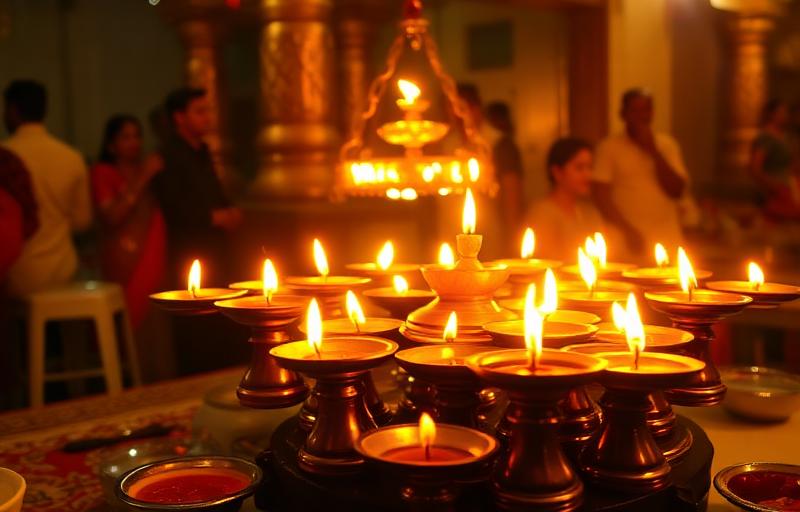
For best practice, recite all five verses at dawn after a bath, ideally on a Tuesday or during Ganesh Chaturthi, with a ghee lamp and a modaka or laddu offered to Ganesha.
What People Ask Most
Who wrote the Ganesh Pancharatnam Stotram?+
The Ganesh Pancharatnam was composed by Adi Shankaracharya, the great 8th-century philosopher-saint. It is one of his most loved short hymns, set to a fast, joyful metre.
What does 'Pancharatnam' mean?+
'Pancharatnam' means 'five jewels' (pancha = five, ratna = jewel). The stotram has five verses, each a jewel of praise to Lord Ganesha, all ending with 'Namami Tam Vinayakam'.
When should the Ganesh Pancharatnam be recited?+
It is best recited at dawn after a bath, especially on Tuesdays and during Ganesh Chaturthi. It is also chanted at the start of any puja, new venture or important work to remove obstacles.
What is the meaning of 'Mudakaratha Modakam'?+
It means 'the one who holds a sweet modaka in his joyful hand'. The line praises Ganesha as the holder of the modaka and the giver of liberation, with 'modaka' also hinting at 'moda', meaning joy.
About the author
Acharya Vinaya Kapoor · M.A. Sanskrit, Mantra & Stotra Studies
Acharya Vinaya holds an M.A. in Sanskrit from Banaras Hindu University and writes the mantra and stotra commentary on Vandnaa. Her focus is on accurate pronunciation, traditional context, and helping modern readers connect with classical texts.
Meet the Vandnaa editorial team →