Why Ganesha Is Always Worshipped First
Before the kalash is set, before the main deity of the household is invited in, before a single other ritual step of griha pravesh begins, Ganesha is worshipped. This is not a regional custom or a personal preference of the presiding priest, it is one of the most universally consistent rules across Hindu ritual practice, observed regardless of which deity a family primarily worships or which region of India they come from.
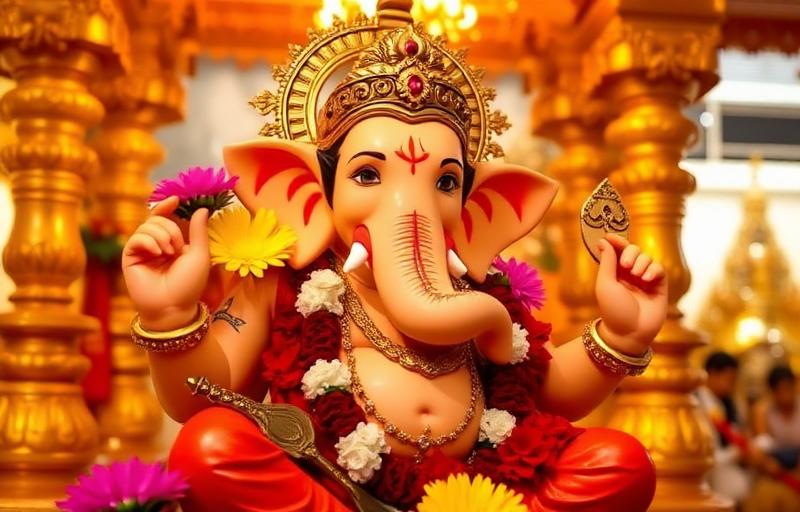
The reasoning traces to Ganesha's title Vighnaharta, remover of obstacles, and Vighnaraja, lord over obstacles specifically. According to the Shiva Purana, this position was granted to him directly by his parents, Shiva and Parvati, after a well-known contest between Ganesha and his brother Kartikeya to determine who would circle the world first. While Kartikeya set off immediately on his peacock, Ganesha simply walked around his parents, declaring them to be his entire world, and won the contest through wisdom rather than speed. In recognition of this, Shiva granted Ganesha the boon that he would be worshipped before any other deity in every ritual, ensuring that all undertakings begin with a request for obstacles to be cleared.
This is precisely why griha pravesh, the ceremony marking entry into a new home, treats Ganesha's portion as non-negotiable and first in sequence. A new home represents the start of an entirely new chapter, new routines, new neighbours, new financial commitments, and tradition holds that beginning this chapter without first clearing the obstacles that might disrupt it is an incomplete, riskier start. Ganesha's blessing is sought not as a formality before the "real" puja begins, but as the very thing that makes the rest of the ceremony's blessings land on solid, unobstructed ground.
What Ganesha's Role Specifically Involves Here
While Ganesha is worshipped first in nearly every Hindu ritual, his specific role within griha pravesh carries an additional layer of meaning tied directly to the threshold and structure of the home itself, not just to the ceremony's procedural order.
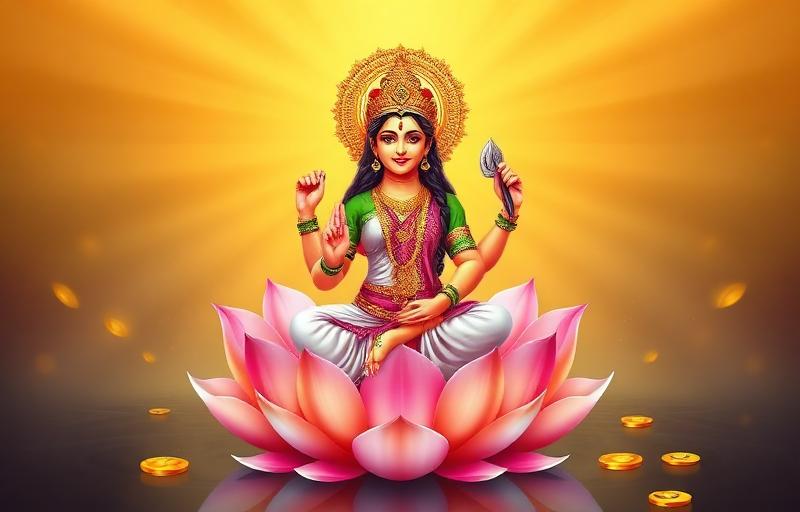
Ganesha is traditionally understood as a guardian of thresholds and entrances, which is why his image or idol is placed above or beside the main door in nearly every Hindu home, often alongside Riddhi and Siddhi, his consorts representing prosperity and accomplishment, or with Lakshmi in a combined Ganesh-Lakshmi arrangement. In griha pravesh specifically, this guardianship is formally activated for the new home: his blessing is sought not just to clear obstacles in the abstract, but to specifically bless the doorway the family will cross daily for years to come, and to establish him as the household's ongoing protector against difficulties entering along with the family.
This is also why, in many regional traditions, a small clay or turmeric Ganesha (rather than a permanent brass or marble idol) is specifically installed and worshipped at the threshold as part of the griha pravesh ceremony itself, distinct from whatever permanent idol the family later places in their home temple. This threshold Ganesha's specific purpose is tied to the crossing itself, the literal first step into the home, making the connection between Ganesha and safe passage into new beginnings as physically direct as possible. Some families immerse or respectfully set aside this threshold idol after the ceremony, while others keep it as a permanent fixture near the entrance, depending on regional and family custom. Either way, the underlying intention stays the same: Ganesha's blessing is asked to travel with the family through that specific doorway, not just to bless the ceremony in a general sense.
Mantras and Steps for Ganesha's Portion of the Ceremony
The Ganesh puja portion of griha pravesh follows a fairly consistent structure across most traditions, typically performed by a priest but simple enough that many families follow along or even perform it themselves with guidance:
- Sankalp - a brief statement of intent, naming the family and the purpose, that the puja is being performed for a blessed and obstacle-free entry into the new home.
- Ganesh avahan - inviting Ganesha into the idol or a small kalash placed for him specifically, with folded hands and the basic invocation "Om Gam Ganapataye Namah," chanted 108 times or a smaller round of 11 or 21 repetitions depending on time available.
- The Vakratunda shloka - "Vakratunda Mahakaya Suryakoti Samaprabha, Nirvighnam Kuru Me Deva Sarva-Karyeshu Sarvada," meaning roughly "O Lord of the curved trunk and mighty form, radiant as a million suns, please make all my undertakings free of obstacles, always," is recited specifically because its final line directly requests exactly what griha pravesh needs: an obstacle-free beginning.
- Offerings specific to Ganesha - durva grass (considered his favourite offering), red flowers, particularly hibiscus, modak or ladoo as naivedya, and a red cloth or thread.
- Sindoor and tilak applied to the Ganesha idol, along with akshat (unbroken rice).
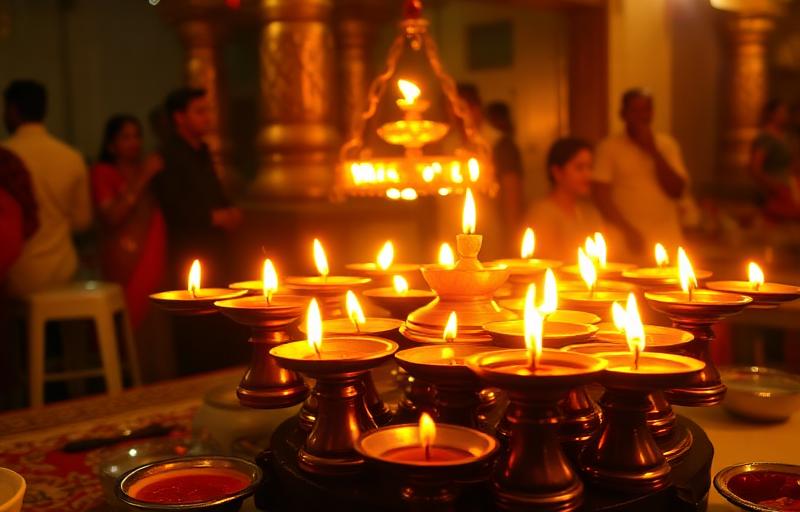
- A short aarti performed specifically for Ganesha before the ceremony moves on to kalash sthapana and the puja for the home's main deity or Vastu Purusha.
Only once this sequence is complete does the broader griha pravesh ceremony, kalash sthapana, Vastu puja, and the main deity's invocation, formally begin.
Where This Fits in the Overall Griha Pravesh Sequence
It helps to see Ganesha's portion in context, as the deliberate first link in a longer chain rather than an isolated ritual. A typical griha pravesh sequence runs roughly as follows:
1. Ganesh puja (as detailed above), performed either at the entrance or at the main puja area set up inside. 2. Vastu Shanti puja, appeasing the Vastu Purusha believed to preside over the land and structure, addressing any construction-related disturbances to the site. 3. Kalash sthapana, setting up the sacred water vessel representing abundance and auspiciousness. 4. Navagraha puja in many traditions, a brief worship of the nine celestial influences for a smoothly running household. 5. Invocation of the family's chosen or main deity, whether that is Vishnu, Shiva, Devi, or another ishta devata, once the path has been cleared by the preceding steps. 6. Havan (fire ritual) in many traditions, with the family offering ahutis while the priest recites relevant mantras. 7. The actual entry - the family enters the home together, traditionally with the woman of the house carrying a kalash or a pot of milk that is allowed to boil over at the threshold, a separate but related symbol of abundance. 8. Cooking the first meal in the new kitchen, often kheer made from the same milk, and lighting the first lamp in the home.
Ganesha's puja is the deliberate opening move of this entire sequence rather than a separate event, and priests are generally firm about not skipping or abbreviating it even when a family is short on time, precisely because everything that follows is considered to rest on the obstacle-clearing his blessing is meant to provide.
Where the Ganesha Idol Goes After the Ceremony
Once griha pravesh concludes, the placement of Ganesha within the home continues to matter, extending the ceremony's protective intention into ongoing daily life rather than treating it as a one-time event that ends when the priest leaves.
The most common and traditionally favoured placement is directly above or beside the main entrance, facing outward or positioned so that anyone entering sees him first, often paired with Riddhi and Siddhi flanking him, or with a small torana (door hanging) featuring his image woven into mango leaves. This placement is a direct continuation of the threshold-guardian role his griha pravesh puja formally established for the home.
A second Ganesha, often the more elaborately worshipped one used in the household's daily puja, typically finds a place in the home's dedicated puja room or altar, positioned according to Vastu principles, generally in the northeast corner of the home when possible, facing east or north, at a height comfortable for daily worship rather than placed on the floor. Some families maintain a third, smaller Ganesha near a work desk or study area, extending his obstacle-clearing association to specific areas of focus like work or a child's studies.
A point worth remembering: it is considered inauspicious in many traditions to have a broken or chipped Ganesha idol on display, so any idol used specifically for the griha pravesh ceremony that gets damaged during setup or transport is usually respectfully replaced rather than kept regardless of sentimental value, a small but meaningful piece of upkeep that keeps the spirit of the original blessing intact for the years the family lives in the home.
Why This Pattern Extends Far Beyond Griha Pravesh
Griha pravesh is just one instance of a much broader principle in Hindu ritual life: Ganesha is invoked first before weddings, before opening account books on Diwali, before a student leaves for an exam, before a new business opens its doors, before a journey begins, and before nearly any undertaking a family considers significant enough to bless formally. Our companion guide on Lakshmi puja for a new business opening covers this same Ganesh-first principle in a commercial context, where his blessing precedes Lakshmi's invocation for exactly the same underlying reason it precedes the home deity's invocation here.
What griha pravesh illustrates particularly clearly, though, is how directly this principle connects to physical space and threshold, since a home is not a single event like a wedding day but an ongoing physical structure the family will cross in and out of for years. This is part of why griha pravesh treats the Ganesha placement question, where exactly he sits by the door, so seriously, in a way that a one-day ceremony like an exam blessing does not need to.
The underlying lesson for a devotee, regardless of which specific ritual they are approaching, is fairly simple to carry forward: whatever the size or seriousness of a new beginning, pausing first to acknowledge and request the clearing of obstacles, rather than rushing straight to the goal or the main request, is considered the wiser, more complete way to begin. Ganesha's placement at the start of every list is a standing reminder that how a thing begins shapes everything that follows it.
🪔 The Vandnaa app's puja vidhi library includes the full griha pravesh sequence with mantras, so you can follow Ganesha's portion and the steps that follow it correctly on the day itself.
Reader Questions Answered
Why is Ganesha always worshipped first in Hindu rituals?+
Ganesha received a boon from Shiva, after winning a contest against his brother Kartikeya through wisdom rather than speed, that he would be worshipped before any other deity in every ritual. This is why he is invoked first as Vighnaharta, remover of obstacles, before any significant undertaking begins.
What mantra is chanted for Ganesha during griha pravesh?+
"Om Gam Ganapataye Namah" is the core mantra used for his invocation, along with the Vakratunda Mahakaya shloka, whose final line specifically asks for all undertakings to be free of obstacles, making it especially fitting for a new home's beginning.
Does Ganesha puja replace the need for a full griha pravesh ceremony?+
No. Ganesha puja is the essential first step within griha pravesh, not a substitute for it. It is followed by Vastu puja, kalash sthapana, and the invocation of the family's main deity before the ceremony is considered complete.
Where should the Ganesha idol be placed after griha pravesh?+
The most common placement is directly above or beside the main entrance, continuing his role as threshold guardian. A second idol for daily worship is typically placed in the home's puja room, ideally in the northeast corner, facing east or north.
What offerings does Ganesha specifically receive during this puja?+
Durva grass, considered his favourite offering, along with red flowers such as hibiscus, modak or ladoo as naivedya, sindoor, akshat and a red cloth or thread are the customary offerings made during his portion of the ceremony.
Can griha pravesh happen without a priest performing Ganesh puja first?+
While a priest traditionally leads this ceremony, a family can perform Ganesha's portion themselves with sincerity if a priest is unavailable. What matters most across tradition is that his invocation happens first, not specifically who performs it.
About the author
Dr. Suresh Iyer · Vastu Shastra & Jyotish, 18+ years
Dr. Suresh has practiced traditional Vastu and basic Vedic Jyotish for over 18 years across South India. He contributes the Vastu, direction, and home-puja layout guides on Vandnaa.
Meet the Vandnaa editorial team →