How Ganga Came to Earth
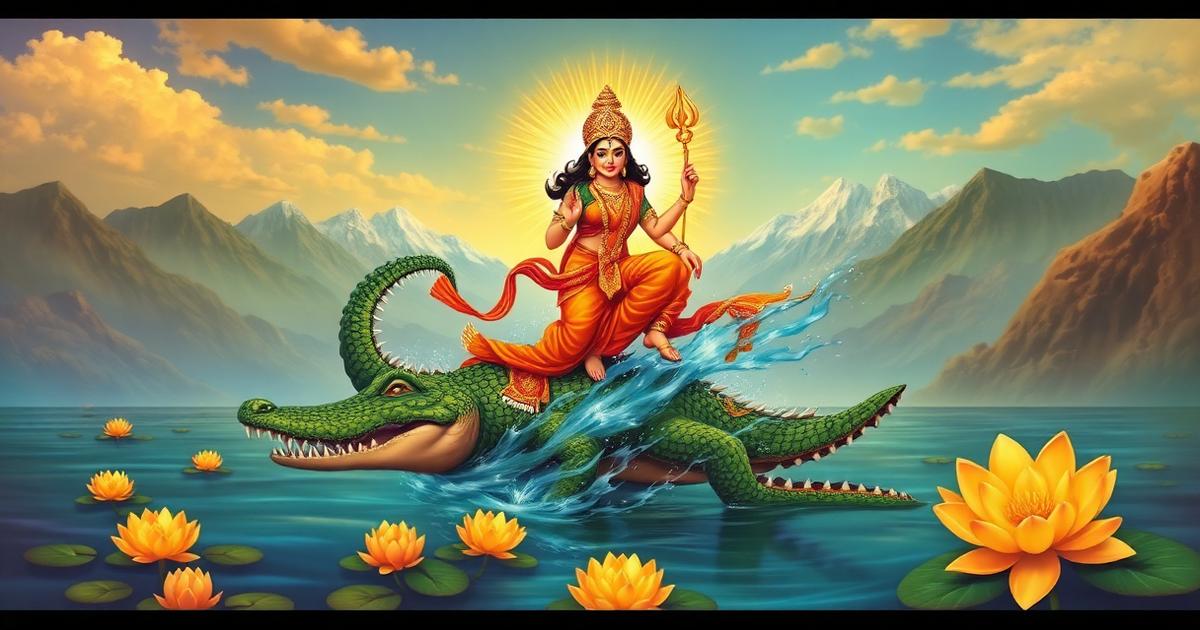
Mother Ganga is the holiest of rivers, but according to the katha she once flowed only in the heavens. Her descent to earth is called Ganga Avataran, and it came about through the relentless devotion of one king - Bhagirath.
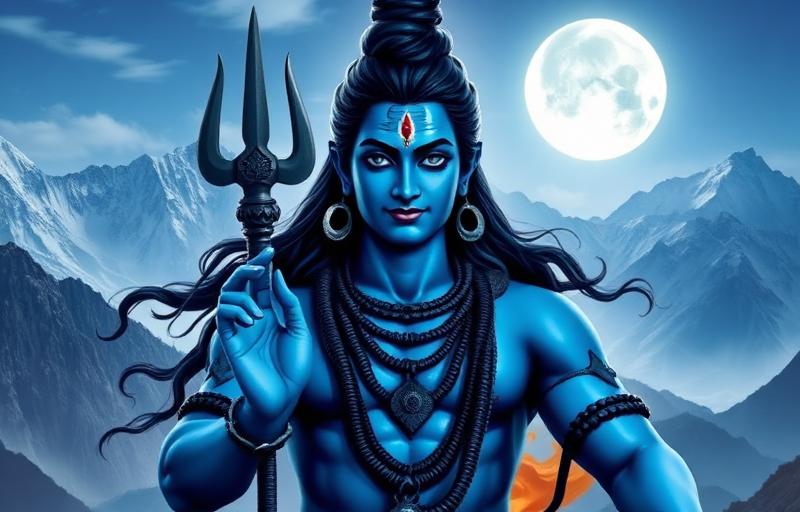
In this beautiful story, Lord Shiva plays a central role. When the mighty Ganga rushed down from the sky with a force that could shatter the earth, it was Mahadev who caught her in his matted locks and released her gently. This is why Shiva is shown with Ganga flowing from his hair, and is called Gangadhar, the bearer of Ganga.
The Katha of King Bhagirath
Long ago, King Sagara of the Suryavansha performed a great Ashwamedha yajna. The horse was stolen and hidden near the ashram of the meditating sage Kapila. Sagara's sixty thousand sons searched everywhere and, finding the horse near Kapila, wrongly accused the sage. Disturbed in his deep meditation, the power of Kapila's gaze reduced all sixty thousand to ashes.
Their souls could not find peace, for their last rites were never done. Generations passed. King Anshuman and then King Dilip tried to bring Ganga down to liberate them, but did not succeed. At last, King Bhagirath, Dilip's son, undertook fierce penance (tapasya) for many years to bring the heavenly Ganga to earth so her sacred waters could free his ancestors.
Pleased, Ganga agreed to descend - but warned that her force was so great it would break the earth apart. Bhagirath then prayed to Lord Shiva, who agreed to receive Ganga. As she rushed down with thundering power, Shiva caught her in his matted hair, taming her fury, and released her in gentle streams. Bhagirath led the way, and Ganga followed his path to the ashes of his ancestors, granting them liberation (moksha). Because of his unyielding effort, the river is also called Bhagirathi, and any great, determined endeavour is to this day called a 'Bhagirath prayas'.
Why Shiva Holds Ganga in His Hair
The image of Ganga flowing from Shiva's matted hair (jata) is among the most cherished in Sanatan Dharma. Ganga descended with a force no land could bear. Only the infinite calm and strength of Mahadev could absorb that power.
By catching Ganga in his locks, Shiva did two things: he protected the earth from being shattered, and he tamed the wild force of the river into a gentle, life-giving flow. This shows that the divine receives even overwhelming power with perfect stillness and turns it into blessing.
The Ganga in Shiva's hair also signifies purity and the descent of grace. The river of liberation rests upon the Lord of liberation. This is why Shiva is worshipped as Gangadhar, and why Ganga is so dear to him.
Lessons from Ganga Avataran

- Perseverance moves the divine: Bhagirath's tireless penance over years brought even the heavenly Ganga to earth. Sincere, unbroken effort can achieve what seems impossible.
- Devotion for others: Bhagirath laboured not for himself but to liberate his ancestors. Service done for others is among the highest forms of devotion.
- The divine tames great forces: Shiva absorbing Ganga's force shows that humility and stillness can transform even the wildest power into blessing.
- Grace descends to those who prepare for it: Ganga came only when both Bhagirath's effort and Shiva's grace met. Our effort and divine grace together bring the result.
Frequently Asked Questions
Who brought Ganga down to earth?+
King Bhagirath of the Suryavansha brought Ganga down to earth through years of intense penance. He did this to liberate the souls of his sixty thousand ancestors, the sons of King Sagara, whose ashes needed the sacred waters of Ganga for moksha.
Why did Shiva catch Ganga in his hair?+
Ganga descended with such tremendous force that it could have shattered the earth. Lord Shiva caught her in his matted hair to absorb that power, protect the earth, and release the river gently in calm streams so she could flow safely across the land.
Why is Ganga also called Bhagirathi?+
Ganga is called Bhagirathi after King Bhagirath, whose relentless penance brought her to earth. The name honours his great effort, and any determined, monumental endeavour is still called a 'Bhagirath prayas' in his memory.
Why is Shiva called Gangadhar?+
Shiva is called Gangadhar, the bearer of Ganga, because he holds the river in his matted hair. The image of Ganga flowing from Shiva's locks recalls how he received her during the Ganga Avataran and is central to his worship.
About the author
Pandit Mahesh Trivedi · Festival Traditions & Panchang
Pandit Mahesh leads the festival-date and Panchang content on Vandnaa. He cross-references multiple regional panchangs (Drik, Vaishnava, Bengali, Marathi) for every festival date published on the site.
Meet the Vandnaa editorial team →