What Is the Ganga Lahari?
The Ganga Lahari ("the wave to Ganga"), also called Piyusha Lahari or Amrita Lahari, is a devotional poem of about fifty-two verses composed by the great scholar-poet Jagannatha Panditaraja, who lived in the seventeenth century.
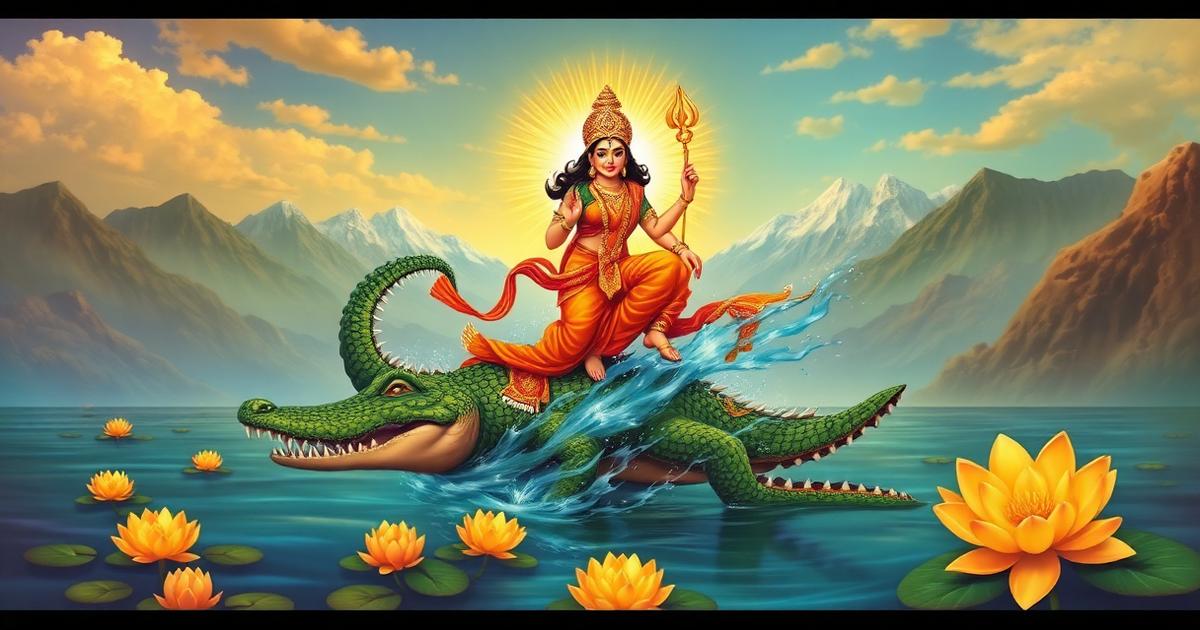
The word lahari means a wave or surge, and each verse rises like a wave of surrender toward Goddess Ganga, the sacred river worshipped as a living mother who purifies all who come to her.
A moving story surrounds the hymn. Tradition tells that Jagannatha, having faced rejection and sorrow, sat upon the steps at Ganga's edge in Kashi and began to sing these verses. It is said that with each verse he recited, the river rose by one step, until at the final verse Ganga rose to embrace him. The Ganga Lahari is therefore treasured as a hymn born of total surrender and the Mother's boundless compassion.
The Meaning: Surrender and Purification
The verses of the Ganga Lahari pour out a heart that has nowhere left to turn but to the Mother:
- Complete surrender - the poet declares he has no other refuge and lays his whole life, faults and all, at Ganga's feet.
- Ganga as purifier of sins - the hymn celebrates the belief that the Mother's waters wash away the deepest sins and lift the soul toward liberation.
- A child before its mother - like a child certain of forgiveness, the poet asks Ganga not to weigh his faults but to embrace him with a mother's love.
- The Mother's boundless grace - the verses praise Ganga as flowing compassion herself, sprung from Vishnu's feet and held in Shiva's locks, ever ready to save.
- From despair to joy - the movement of the hymn is from sorrow and unworthiness to the bliss of being accepted by the Divine Mother.
The Ganga Lahari teaches that sincere surrender, even from the lowest point, draws the Mother's grace like a rising tide.
Benefits & How to Recite
Devotees recite the Ganga Lahari to seek the Mother's grace, purification and peace. It is traditionally held to bring these blessings:
- Purification and inner cleansing - the hymn is chanted with faith that the Mother washes away sins and lightens the heart.
- Comfort in despair - born from the poet's own sorrow, it brings solace to those who feel rejected or burdened.
- Deep devotion and surrender - the verses teach the heart to let go and trust the Divine Mother completely.
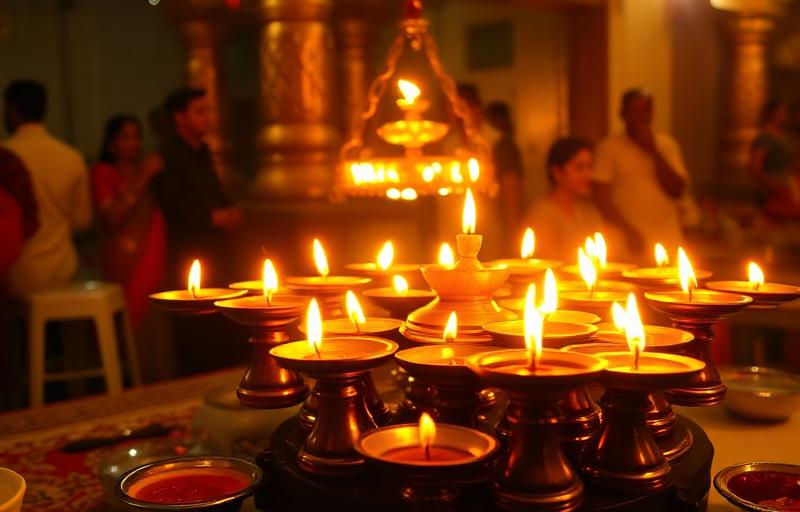
How to recite: It is especially recited on Ganga Dussehra and Ganga Saptami, on Ekadashi and Purnima, and while bathing in or beside the Ganga. Sit facing the river or an image of Maa Ganga, light a lamp, and recite the verses slowly and lovingly. If you cannot reach the river, remembering her with devotion is believed to be equally dear to the Mother.
Common Questions From Devotees
Who composed the Ganga Lahari?+
The Ganga Lahari was composed by the great scholar-poet Jagannatha Panditaraja, who lived in the seventeenth century. It is a devotional wave of about fifty-two verses expressing complete surrender to Goddess Ganga.
What is the famous story behind the Ganga Lahari?+
Tradition tells that Jagannatha, facing rejection and sorrow, sat on the steps at Ganga's edge in Kashi and sang these verses. With each verse the river is said to have risen one step, until at the last verse Ganga rose to embrace him, showing the Mother's boundless grace to a surrendered heart.
What blessings do devotees seek from the Ganga Lahari?+
Devotees recite it with faith for purification from sins, comfort in times of despair, and deep devotion and surrender to the Divine Mother. It is especially recited on Ganga Dussehra and beside the river, always as an expression of loving trust.
About the author
Acharya Vinaya Kapoor · M.A. Sanskrit, Mantra & Stotra Studies
Acharya Vinaya holds an M.A. in Sanskrit from Banaras Hindu University and writes the mantra and stotra commentary on Vandnaa. Her focus is on accurate pronunciation, traditional context, and helping modern readers connect with classical texts.
Meet the Vandnaa editorial team →