Who Is Maa Ganga
Maa Ganga is the holiest of India's rivers, worshipped as a living goddess who purifies all who touch her waters. According to the scriptures, she flowed from the lotus feet of Lord Vishnu and was brought to earth by the penance of King Bhagiratha to liberate his ancestors. Lord Shiva received her in his matted locks to soften her mighty descent. She is Patit Pavani - the purifier of the fallen - and a mother who washes away sin and sorrow.
What the Ganga Chalisa Contains
The Ganga Chalisa is a forty-verse hymn glorifying Maa Ganga as Bhagirathi, Jahnavi and Patit Pavani. It narrates her divine origin, her descent to earth, her flow through holy cities like Haridwar, Prayag and Kashi, and her power to grant purity, peace and moksha (liberation). It opens with a doha of praise and assures that those who recite it with faith are cleansed of sins and blessed with her protection.
Opening Doha and Key Verses
Doha: Jai jai jai Jahnavi maiya, paap-haran sukh-dhaam. Sharan padi jo aapki, karo so puran kaam.
Chaupai (sample): Jai jai Ganga sur-sari maata, tribhuvan taaran patit udhaarata. Vishnu-pad se prakat bhavani, Shiv-jata mein basi kalyani.
These verses praise Ganga as the heavenly river and the saviour of the fallen, and invoke her grace to purify body, mind and soul.
Ganga Snan Vidhi - How to Take a Holy Bath
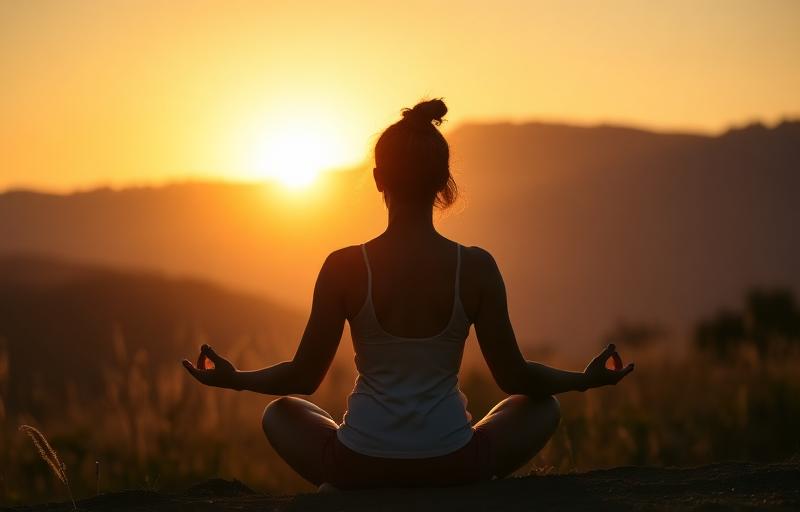
1. Take a Ganga snan early in the morning, ideally at sunrise, facing the rising sun. 2. Before entering, fold your hands and pray, remembering the river as the mother goddess. 3. Take a dip with the mantra Om Namah Shivaya or Har Har Gange, immersing fully if safe. 4. Offer water (arghya) to the sun and float a small diya or flowers as a mark of devotion. 5. After the bath, recite the Ganga Chalisa or the seed mantra Om Gangayai Namah. 6. Donate to the needy and avoid soap, oil or impurities in the river. If you cannot reach the Ganga, add a few drops of Ganga jal to your bathing water with the same prayer.
Benefits of the Ganga Chalisa
Reciting the Ganga Chalisa is believed to cleanse past sins and karmic burdens, bring peace and clarity to a troubled mind, purify the home and atmosphere, and grant relief from guilt and grief. For those who cannot visit the river, daily recitation with Ganga jal at home is said to carry her purifying presence into the household and aid the soul's journey toward moksha.
Auspicious Days for Ganga Worship
Ganga Dussehra and Ganga Saptami are the most sacred days, marking her descent to earth and her appearance. Kartik Purnima, Makar Sankranti and the Kumbh and Magh melas at Prayag and Haridwar draw millions for holy bathing. Bathing and reciting the chalisa on these days, especially at sunrise, is considered deeply purifying and meritorious.
What People Ask Most
Who is Maa Ganga?+
Maa Ganga is the holy river worshipped as a goddess who purifies all sins. She flowed from Vishnu's feet, was brought to earth by King Bhagiratha, and was received in Shiva's locks.
What is the Ganga mantra?+
A simple seed mantra is 'Om Gangayai Namah'. Many devotees also chant 'Har Har Gange' or 'Om Namah Shivaya' while taking a dip in the holy river.
What is the right way to take Ganga snan?+
Bathe early at sunrise facing the sun, pray before entering, dip with 'Har Har Gange', offer arghya to the sun, and avoid soap or impurities in the river.
Can I worship Ganga at home without visiting the river?+
Yes. Add a few drops of Ganga jal to your bathing water with a prayer, and recite the Ganga Chalisa at home. This is believed to carry her purifying presence into the household.
Which days are best for Ganga worship?+
Ganga Dussehra and Ganga Saptami are the holiest days. Kartik Purnima, Makar Sankranti and the Kumbh and Magh melas are also highly auspicious for a holy bath.
What are the benefits of reciting the Ganga Chalisa?+
It is believed to cleanse sins and karmic burdens, calm a troubled mind, purify the home, relieve guilt and grief, and aid the soul's journey toward moksha.
About the author
Acharya Vinaya Kapoor · M.A. Sanskrit, Mantra & Stotra Studies
Acharya Vinaya holds an M.A. in Sanskrit from Banaras Hindu University and writes the mantra and stotra commentary on Vandnaa. Her focus is on accurate pronunciation, traditional context, and helping modern readers connect with classical texts.
Meet the Vandnaa editorial team →Explore on Vandnaa
Related Articles
Ganga Aarti - Maa Ganga Significance, Lyrics & Puja Vidhi
9 min read
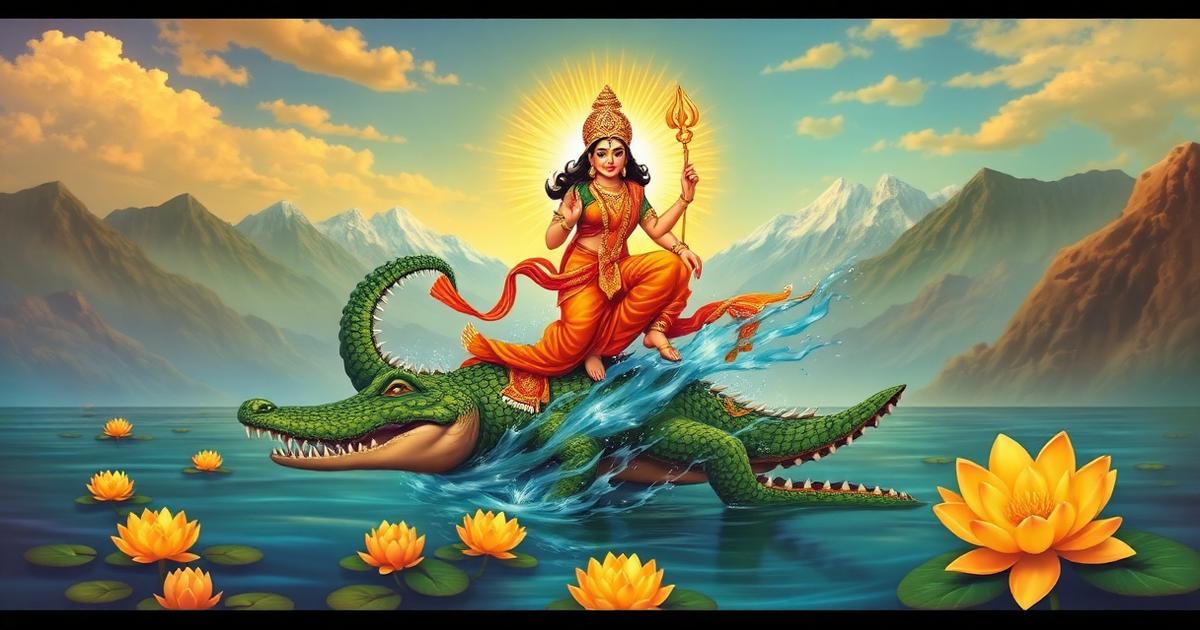
Ganga Saptami 2026: Date, Snan Muhurat, Mantras & Why a Single Dip Washes 7 Lifetimes of Sin
9 min read
Shiv Chalisa Lyrics & Meaning in Hindi (शिव चालीसा)
13 min read
Om Namah Shivaya Mantra Benefits & Meaning (ॐ नमः शिवाय)
9 min read
Lakshmi Chalisa - Lyrics, Meaning, Benefits & Jap Vidhi
9 min read

Vishnu Chalisa - Lyrics, Meaning, Benefits & Jap Vidhi
9 min read