Who Is Gangamma?
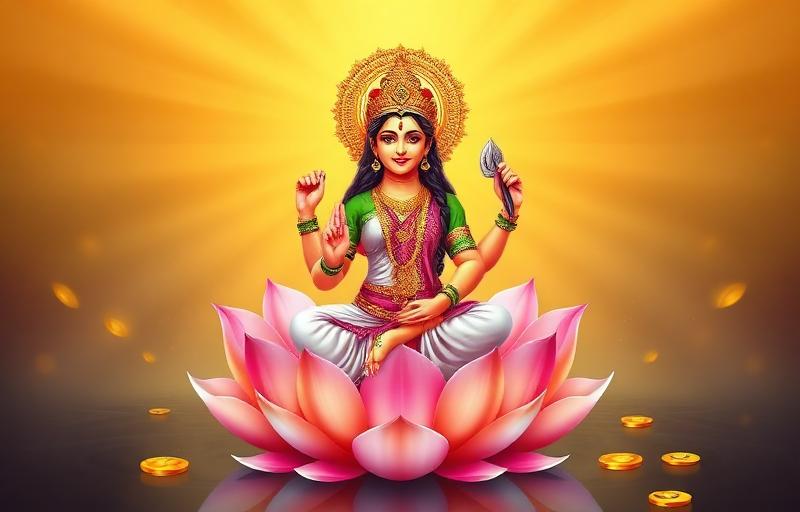
In Tirupati, best known across India as the seat of Bhagwan Venkateswara, devotees also hold deep reverence for Gangamma, a fierce and motherly goddess believed to guard the town and its people. Her principal shrine, the Tatayyagunta Gangamma temple, becomes the centre of intense devotion each year during her jatara, a festival many locals consider just as essential to the town's identity as its more famous hill temple.
Devotees describe her as a protector who takes on whatever form is needed to shield her people from harm, gentle to those who approach her with sincerity and formidable toward anything that threatens the community.
The Legend Behind Her Fierce Grace
Local tradition holds that Gangamma once took on a series of different forms to outwit a tyrant who threatened the safety of local women, protecting her devotees through cleverness and transformation rather than force alone. This legend of the goddess's shape-shifting protection is remembered and re-enacted in the very structure of her festival even today.
Devotees see in this story a reminder that the Divine Mother's protection can arrive in whatever disguise the moment requires.
The Vesham Tradition of Disguise and Devotion
The most distinctive feature of Gangamma Jatara is vesham, the tradition of devotees, most strikingly men, taking on elaborate disguises and forms in honour of the goddess's own shape-shifting legend. Streets fill with devotees dressed in a remarkable variety of guises, each considered an offering of devotion rather than mere performance.
This practice, unusual and striking to first-time visitors, is treated by the local community with complete seriousness, an act of faith passed down through generations of families connected to the temple.
The Days of the Jatara

Gangamma Jatara unfolds over several days each year during the summer month of Vaisakha, with different rituals, processions and forms of the goddess honoured on each day. The festival builds toward a climactic closing ritual, after which the goddess's fierce energy is believed to be settled for another year, and the town gradually returns to its everyday rhythm.
Throughout the jatara, the streets around the temple remain animated late into the night with music, processions and continuous devotion.
How to Reach Tirupati for the Jatara
Tirupati is among the best-connected pilgrim towns in South India, with its own railway station and airport, along with strong road links to Chennai, Bengaluru and Hyderabad. Devotees attending the Gangamma Jatara often combine the visit with darshan at the Venkateswara temple atop Tirumala hill, though many locals treat the two as entirely separate acts of devotion held close together on the calendar.
Accommodation in the town can fill quickly during jatara days, so devotees are advised to plan travel and stay well in advance.
A Simple Prayer and the Takeaway
Devotees at Gangamma's shrine often offer a simple prayer, seeking her protection over their homes and families before returning to daily life. "Om Gangammayai Namah" is chanted quietly by many as they take her darshan.
Gangamma Jatara reminds devotees that the Divine Mother's protection is not always solemn and distant; it can also arrive wrapped in colour, disguise and the collective joy of an entire town giving itself over to devotion for a few days each year.
Frequently Asked Questions
What is Gangamma Jatara?+
Gangamma Jatara is an annual multi-day festival in Tirupati honouring the goddess Gangamma, marked by processions, rituals and the distinctive vesham tradition of devotional disguise.
What is the vesham tradition?+
Vesham is the practice of devotees, especially men, taking on elaborate disguises during the jatara, honouring the goddess's own legend of shape-shifting to protect her devotees.
When is Gangamma Jatara celebrated?+
The festival is held annually during the summer month of Vaisakha, drawing devotees from Tirupati and surrounding regions.
About the author
Pandit Mahesh Trivedi · Festival Traditions & Panchang
Pandit Mahesh leads the festival-date and Panchang content on Vandnaa. He cross-references multiple regional panchangs (Drik, Vaishnava, Bengali, Marathi) for every festival date published on the site.
Meet the Vandnaa editorial team →