Why a Diya Is Lit in Puja
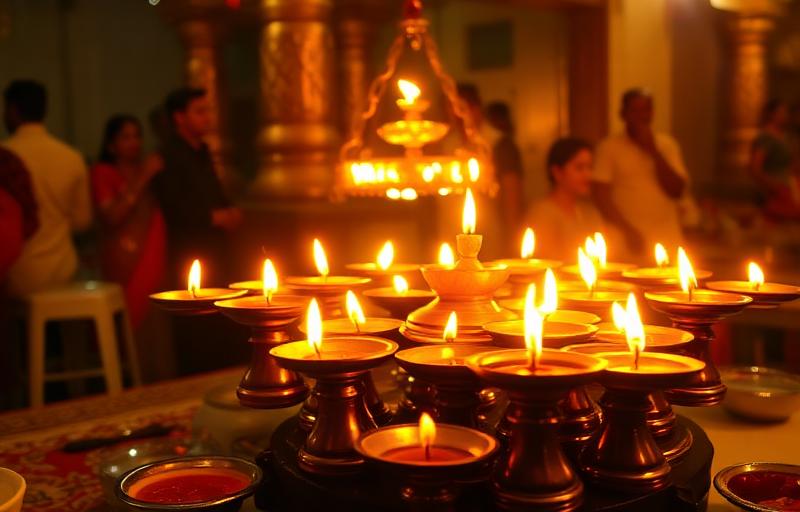
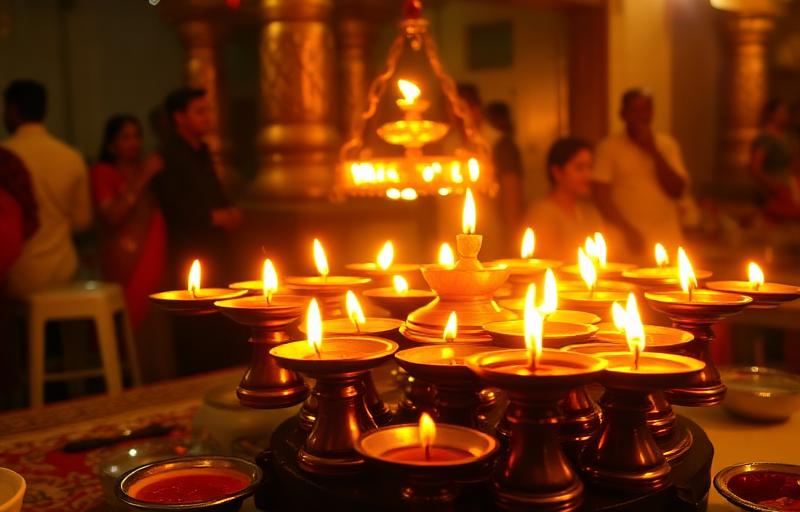
The diya (deep) is the heart of every Hindu puja. Its flame is seen as a form of Agni, the fire-god who carries our prayers to the divine, and as a symbol of knowledge dispelling darkness (ignorance). We say Deepa Jyoti Parabrahma - the lamp's light is the supreme light.
Lighting a lamp is the first act of inviting the divine. The two most common fuels are ghee (clarified butter) and oil (sesame, mustard or other). Both are pure and sacred; tradition simply assigns each its own qualities, occasions and deities, which this guide explains.
The Ghee Diya - Significance
The ghee lamp is considered the most satvik (pure) and auspicious. It is associated with purity, sattva guna and divine grace, and is the preferred lamp for daily worship of one's ishta devata and for festive occasions.
- Spiritual: Ghee, from the sacred cow, is regarded as the purest offering. Its flame is steady, bright and calming, drawing positive, divine energy.
- Practical: A ghee flame burns clean with very little smoke and a pleasant fragrance, which is why it is loved for the home shrine and small daily aartis.
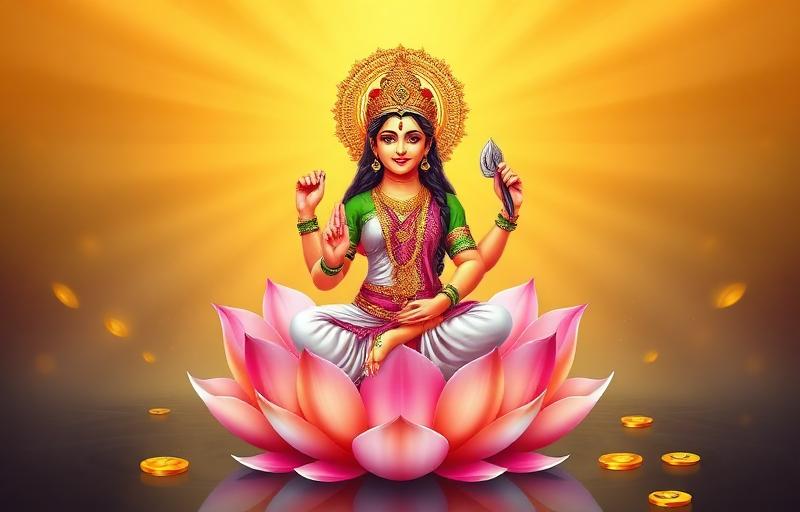
- Best for: Daily puja, Lakshmi and Vishnu worship, Satyanarayan puja, festivals like Diwali, and offering aarti to your ishta devata. A ghee diya kept burning before the deity is considered especially meritorious.
The Oil Diya - Significance
The oil lamp is equally sacred and, for many deities and longer rituals, the more practical choice. The oil used carries its own meaning:
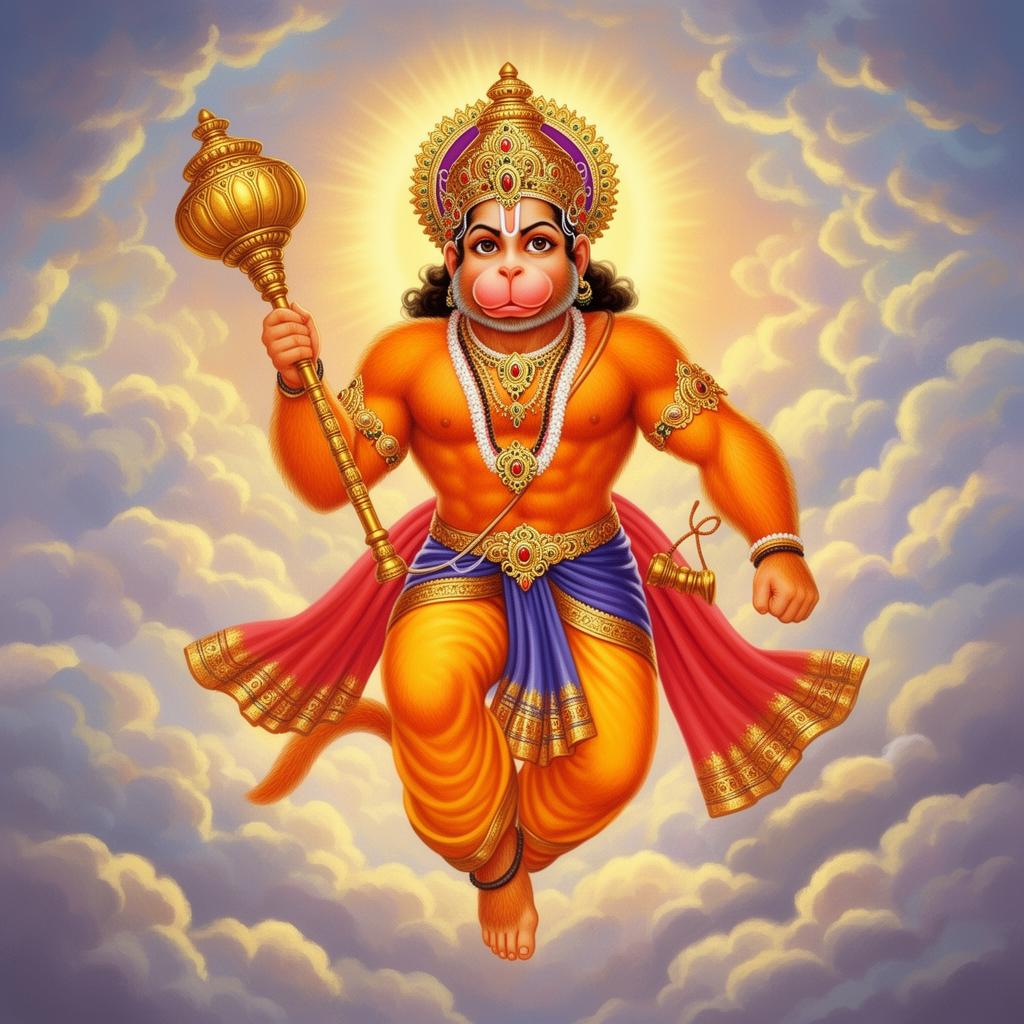
- Sesame (til) oil: Linked to Shani Dev and Lord Hanuman. A til-oil diya is the traditional lamp for Saturday worship of Shani and for Hanuman.
- Mustard oil: Used for Bhairav, Shani and many protective and Tantric rituals; valued for warding off negativity.
- Practical: Oil lasts longer and is more economical, making it ideal for akhand jyoti (a continuously burning lamp) during Navratri or path, and for lamps that must burn through the night.
- Best for: Hanuman (sesame or mustard), Shani (sesame), Bhairav (mustard), continuous lamps, and everyday economical worship. Oil lamps are also lit at temples and during long pujas.
How to Use the Lamp Correctly
A few simple traditional points make lamp-lighting auspicious:
- Wick: Use a cotton wick. A single straight wick is fine for daily puja; for aarti, lamps with multiple wicks are used. Many use a round wick (gol batti) for ghee and a long wick (lambi batti) for oil.
- Number of wicks: A wick facing east invites health, north invites wealth; many keep it simple and face it east.
- Placement: Light the lamp on the right side of the deity for daily worship; a ghee diya on the right and an oil diya on the left is a common arrangement.
- Lighting: Light the diya first, before incense, using a matchstick or another lamp - never blow out a sacred flame; let it extinguish on its own or wave it out gently.
- Direction of aarti: Move the lamp clockwise before the deity. Keep the flame upright and the diya clean.
What People Ask Most
Is a ghee diya or oil diya better for daily puja?+
For daily worship of your ishta devata, a ghee diya is considered the most satvik and auspicious, burning clean with a calming light. An oil diya is equally sacred and more practical for long or continuous lamps. Many homes keep both.
Which oil is used for Hanuman and Shani?+
Sesame (til) oil is the traditional choice for both Lord Hanuman and Shani Dev, especially on Saturdays. Mustard oil is also used for Hanuman, Bhairav and protective worship. Ghee is generally reserved for Lakshmi, Vishnu and daily aarti.
Should you blow out a puja diya?+
No. Tradition says a sacred flame should not be blown out with the breath. Let the diya burn down naturally, or wave it out gently with the hand or a cloth. The flame is a form of Agni and is treated with respect.
Why is a ghee lamp considered more pure?+
Ghee comes from the sacred cow and is regarded as the purest, most satvik substance for offering. Its flame is steady and bright with very little smoke, drawing calm, divine energy, which is why it is preferred for daily and festive worship.
About the author
Pandit Mahesh Trivedi · Festival Traditions & Panchang
Pandit Mahesh leads the festival-date and Panchang content on Vandnaa. He cross-references multiple regional panchangs (Drik, Vaishnava, Bengali, Marathi) for every festival date published on the site.
Meet the Vandnaa editorial team →