The Household Garbo and Amba Maa
In many Gujarati homes, Navratri begins with the installation of a garbo, a decorated earthen pot with a lamp lit within it, placed in a corner of the house as a symbol of the Goddess's presence. Family members light this lamp each evening through the nine nights, treating the ritual as a daily renewal of devotion.
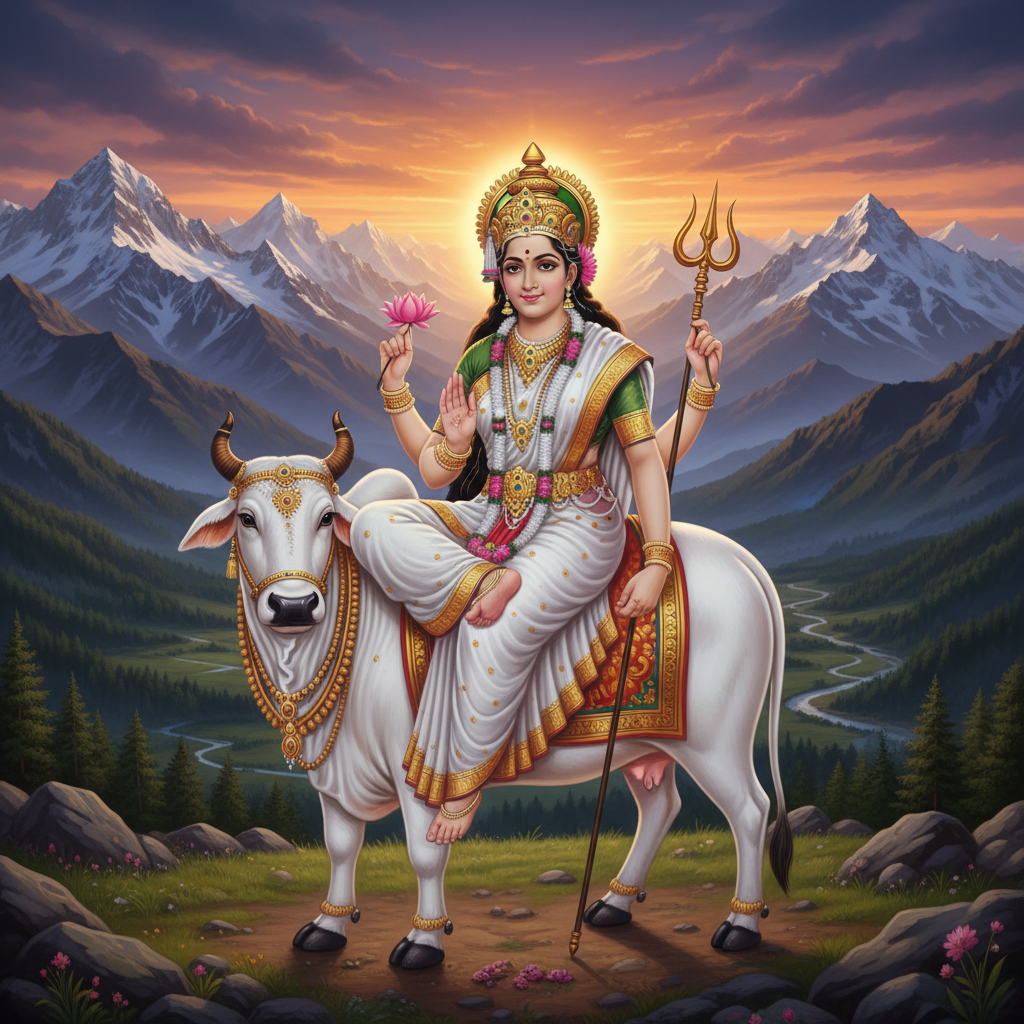
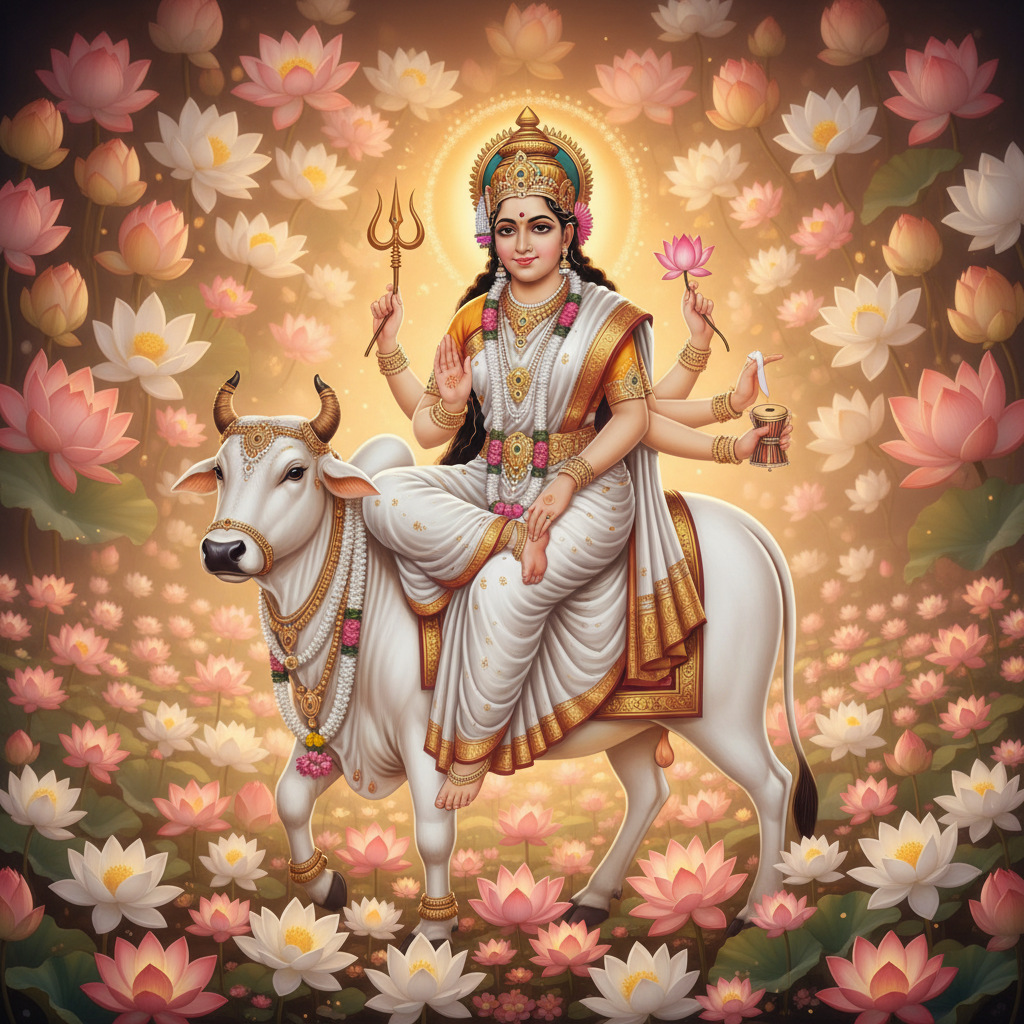
Amba Mata holds particular prominence in Gujarat's Navratri worship, her temples, such as the shrine at Ambaji, drawing especially large numbers of devotees during this period, many undertaking journeys specifically timed to the festival.
Nine Nights of Community Celebration
As evening falls each night, community garba grounds across Gujarat's cities and towns come alive, with families, friends and neighbours dressed in traditional attire gathering to dance in honour of the Goddess. What began as small neighbourhood circles has, in many cities, grown into large organised events, though the underlying spirit of communal devotion remains unchanged.
Generations dance side by side at these gatherings, from grandparents to young children, making Navratri as much a celebration of family and community bonds as of religious devotion.
Fasting, Food and Daily Rituals
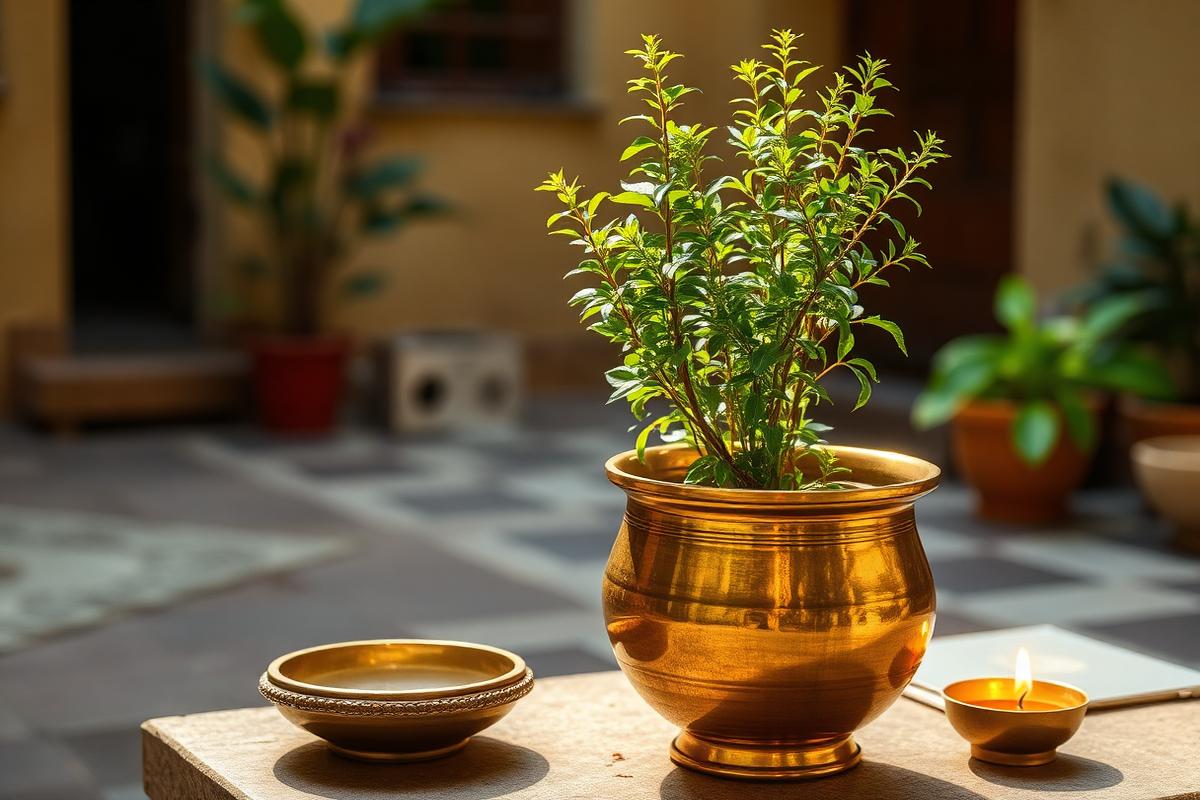
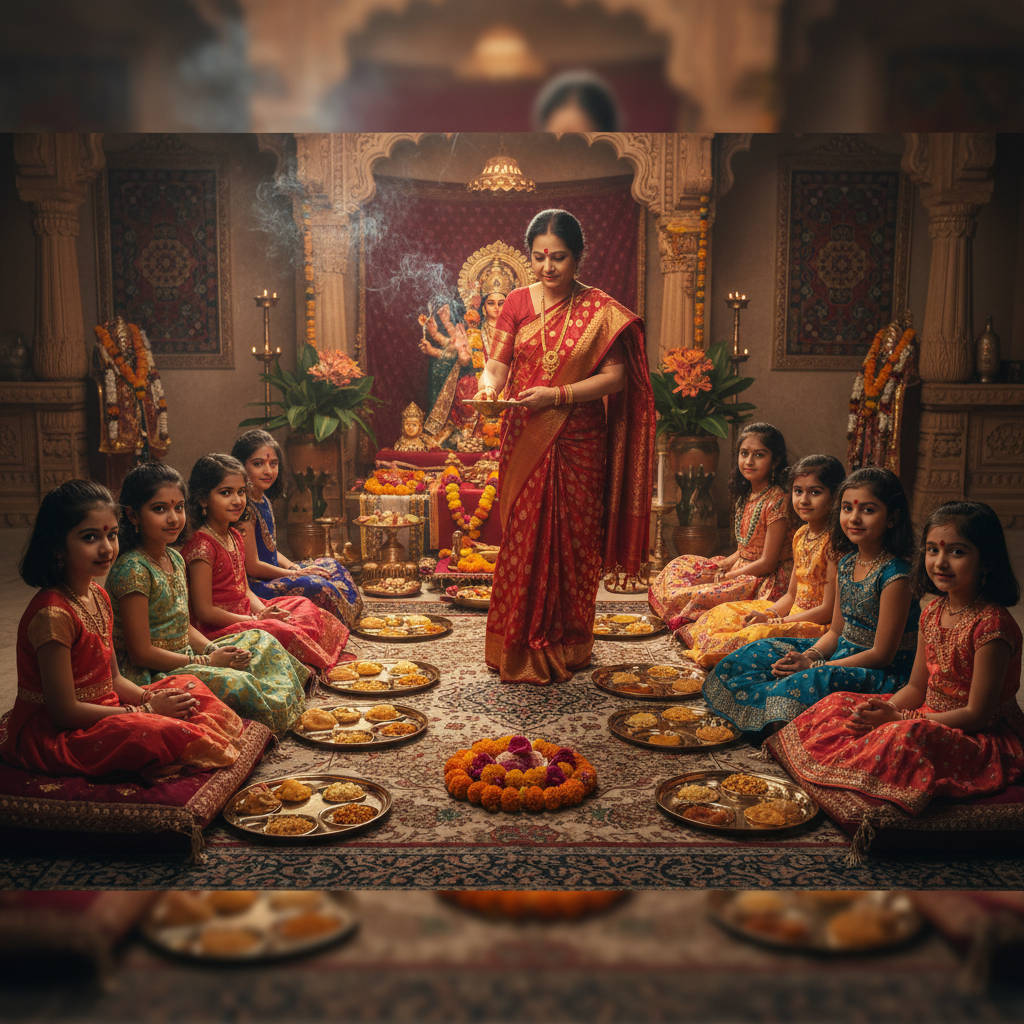
Many devotees observe some form of fasting through the nine nights, ranging from a complete Navratri vrat to simply avoiding certain foods, as an act of discipline and devotion. Special Navratri foods, prepared without regular grains, are common in Gujarati households during this period, alongside daily aarti and prayers offered to the Goddess.
Each household tends to follow its own particular customs passed down through generations, whether specific days set aside for fasting, particular prayers recited, or family traditions around when the garbo is installed and later immersed.
From Gujarat to the World
Wherever Gujarati communities have settled, from major Indian cities to countries across the globe, Navratri celebrations have travelled with them, adapted to new settings but rarely losing their devotional core. Community halls, temples and cultural associations abroad organise garba nights that draw not only Gujaratis but devotees and admirers from many other backgrounds as well.
This global reach speaks to how deeply Navratri's blend of devotion, dance and community has resonated far beyond Gujarat's own borders.
A Devotee's Takeaway
Gujarat's nine nights of Navratri show how a festival can hold both the quiet intimacy of a lit lamp at home and the joyous roar of a thousand dancing feet, without either diminishing the other.
Whatever form a devotee's celebration takes, from a simple household garbo to a grand community gathering, Navratri in Gujarat remains, at its heart, an offering of devotion to the Divine Mother, an act of faith and love, not a transaction.
Frequently Asked Questions
What is the garbo and why is it significant in Gujarat's Navratri?+
The garbo is a decorated earthen pot with a lamp lit inside, placed at home as a symbol of the Goddess's presence, lit each evening through the nine nights of Navratri.
Which goddess is especially honoured during Gujarat's Navratri?+
Amba Mata holds particular prominence during Gujarat's Navratri, with her temples, such as the shrine at Ambaji, drawing especially large crowds during this period.
Do Gujaratis abroad also celebrate Navratri?+
Yes, Gujarati communities across the world organise garba nights and Navratri celebrations that carry the festival's devotional spirit far beyond Gujarat itself.
About the author
Pandit Mahesh Trivedi · Festival Traditions & Panchang
Pandit Mahesh leads the festival-date and Panchang content on Vandnaa. He cross-references multiple regional panchangs (Drik, Vaishnava, Bengali, Marathi) for every festival date published on the site.
Meet the Vandnaa editorial team →