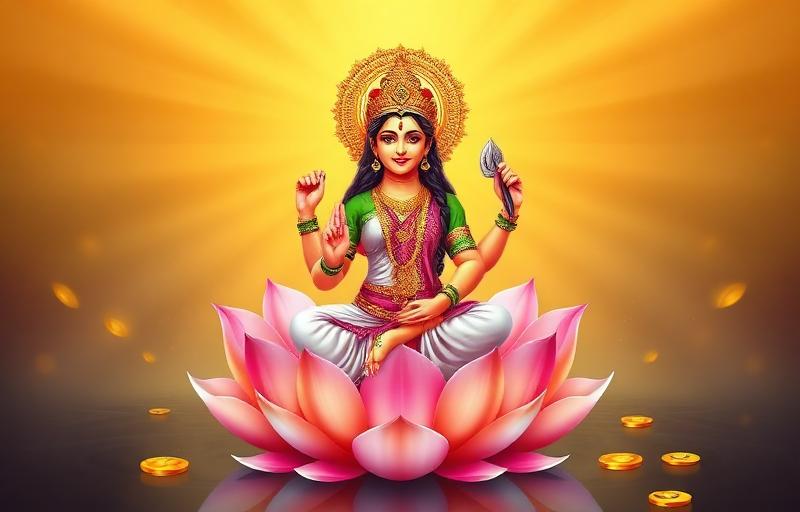
What Is the Hari Stotram?
The Hari Stotram is a devotional hymn glorifying Lord Vishnu, lovingly addressed as Hari - "the one who removes" all sorrow, sin and bondage. It is widely known by its opening word Jagajjalapalam, which describes the Lord as the protector who holds and nurtures the entire web of the universe.
Each verse of the hymn is a garland of names and qualities of Vishnu - the one who sustains all worlds, whose form is beauty itself, who reclines on the serpent Shesha, and who is the refuge of the devotees. The verses have a flowing, musical quality that makes the hymn a joy to recite and sing.
Beloved in Vaishnava homes and temples, the Hari Stotram is often chanted during daily worship, on Ekadashi, and while singing the glories of the Lord.
The Significance & Themes
The Hari Stotram weaves together adoration and surrender:
- Hari as protector of the universe - the very first line, Jagajjalapalam, honours Vishnu as the one who protects and holds the whole world, reminding us that all existence rests in Him.
- The remover of sorrow - the name Hari means one who takes away grief, sin and fear, so calling on Him is calling on comfort itself.
- A garland of divine qualities - the verses praise the Lord's beauty, his lotus eyes, his conch and discus, and his boundless compassion.
- The path of devotion - the hymn gently teaches that remembering and singing Hari's name is a simple, joyful path open to all.
- Longing for liberation - the devotee prays not only for peace in life but for ultimate refuge at the Lord's feet.
In essence, the hymn turns the mind again and again to Vishnu, filling the heart with love and trust.
Benefits & How to Recite
Devotees recite the Hari Stotram to fill the heart with devotion and peace. It is traditionally held to bring these blessings:
- Inner peace - the melodious verses calm the mind and bring a sense of comfort and refuge.
- Deepening devotion - repeatedly remembering Hari's name and qualities kindles love for the Lord.
- A step toward liberation - in the Vaishnava path, remembering Hari with love is believed to lead the soul toward moksha.
How to recite: Ekadashi, Thursdays (sacred to Vishnu), and festivals like Vaikuntha Ekadashi and Janmashtami are especially auspicious. Sit before an image of Vishnu or Krishna, light a lamp, offer tulsi if you can, and recite or sing the hymn slowly. Because of its flowing rhythm, many enjoy singing it aloud. What matters most is a loving heart turned toward Hari.
Frequently Asked Questions
What does the word Hari mean in the Hari Stotram?+
Hari is a name of Lord Vishnu meaning "the one who removes" - He takes away the sorrow, sin, fear and bondage of His devotees. Calling on Hari is therefore calling on the remover of all suffering and the protector of the universe.
What does "Jagajjalapalam" mean?+
Jagajjalapalam, the opening word of the Hari Stotram, describes Lord Vishnu as the protector who holds and nurtures the entire web of the universe. It reminds the devotee that all creation rests safely in the Lord's care.
When is the Hari Stotram usually recited?+
It is often recited during daily worship, on Ekadashi and Thursdays sacred to Vishnu, and on festivals like Vaikuntha Ekadashi and Janmashtami. Because of its flowing, musical rhythm, many devotees enjoy singing it aloud with a loving heart.
About the author
Acharya Vinaya Kapoor · M.A. Sanskrit, Mantra & Stotra Studies
Acharya Vinaya holds an M.A. in Sanskrit from Banaras Hindu University and writes the mantra and stotra commentary on Vandnaa. Her focus is on accurate pronunciation, traditional context, and helping modern readers connect with classical texts.
Meet the Vandnaa editorial team →