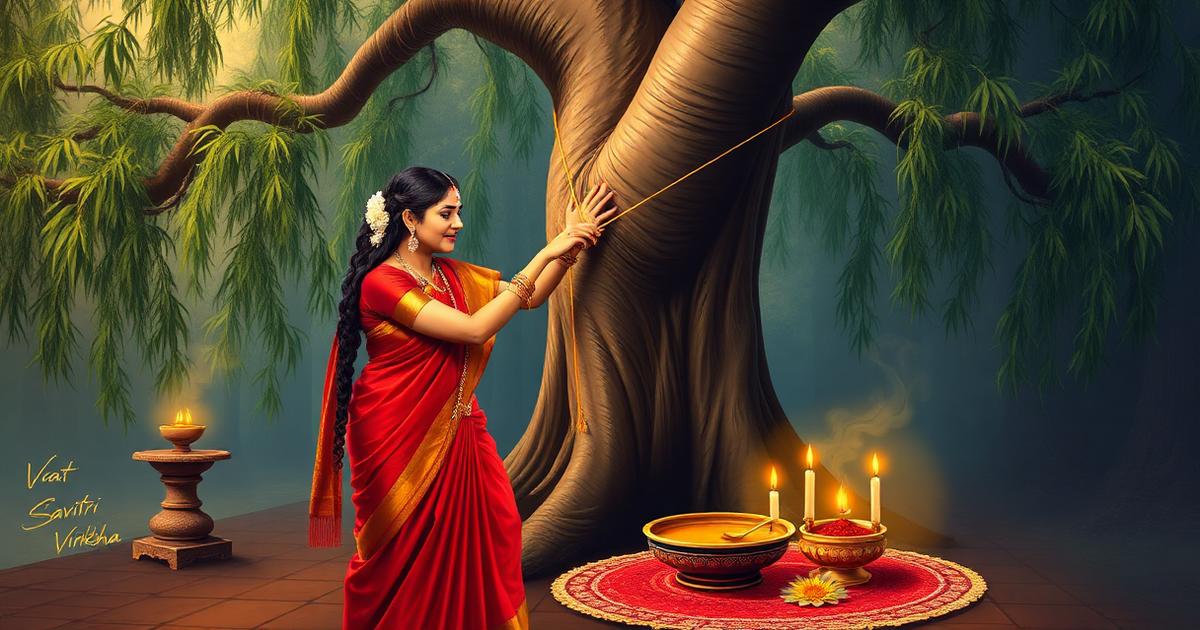
Hartalika Teej 2026: Date and Timing
Hartalika Teej 2026 is primarily observed on Sunday, 13 September 2026, marking the Bhadrapada Shukla Tritiya, the day Goddess Parvati is believed to have performed intense penance in the forest to win Lord Shiva as her husband against her father's wishes. Because the tithi is calculated from local sunrise and can vary slightly by geography, some cities and panchangs place the observance a day later, on Monday, 14 September 2026, which happens to coincide with Ganesh Chaturthi that particular year. This is not an error or a genuine disagreement between traditions, it reflects real regional differences in how sunrise-based tithi timing is calculated across longitudes, so the most reliable approach is to confirm the exact date against your local panchang rather than assuming the same day applies uniformly everywhere in the country.
The vrat itself begins at sunrise on the observed date and traditionally continues nirjala, without food or water, until the puja and moon-adjacent rituals are completed, typically extending into the next morning for many observers who follow the fuller version of the tradition. Because this is one of the more demanding vrats on the entire Hindu calendar, both in ritual detail and physical intensity, women observing it for the first time are often advised by elders and priests alike to keep the puja simple and prioritize physical safety over strict textual completeness in that first year, with the understanding that the fuller elaborate version can be taken up gradually in later years as the body and routine become more familiar with the demands of the day.
What Nirjala Vrat Actually Means for the Body
Nirjala literally means without water, and it is one of the strictest fasting formats in Hindu tradition, meaningfully distinct from phalahar (fruit-permitted) fasts observed for many other vrats throughout the year. A true nirjala vrat means no food, no water, and for many strict observers, considerable caution is applied even around swallowing saliva, similar to the caution some apply during other stringent fasting days, though the exact level of strictness varies noticeably by family and regional tradition. The fast typically spans over 24 hours in total, running from one sunrise to past the following sunrise or moonrise, depending on the specific family custom being followed.
Physiologically, this represents a genuinely significant stress on the body that should not be underestimated. Within the first 12 to 16 hours without fluids, most people experience noticeable thirst, a dry mouth and visibly reduced energy levels. Beyond that window, dehydration risk rises meaningfully, particularly in September when large parts of India remain warm and humid in the post-monsoon stretch of the year. Blood pressure can fluctuate in either direction, blood sugar drops sharply in people already prone to it, and both concentration and physical balance can be noticeably affected later in the day, which is precisely why this particular vrat carries real physical weight and should never be approached with the same casual attitude as a lighter, food-permitted fast.
Understanding this seriously is not about discouraging the practice itself, millions of women observe it successfully and safely every single year across the country, but about approaching the day with the same seriousness any doctor would recommend for a 24-hour fluid restriction, backed by sensible precautions rather than sheer willpower alone carrying the entire day.
Who Should Think Twice Before Attempting a Strict Nirjala Fast
Faith and physical safety are not in conflict with one another, and Hindu tradition itself has always made room for modification and flexibility when genuine health concerns require it. Certain groups should seriously reconsider a strict nirjala approach and speak to a doctor before deciding either way, rather than pushing through purely out of guilt, social pressure or comparison with how other women in the family have managed it in the past:
- Pregnant women, particularly in the second and third trimester, since prolonged dehydration can meaningfully affect both mother and baby
- People with diabetes, especially those on insulin or medication that can cause dangerously low blood sugar without regular food intake
- Anyone with low or high blood pressure conditions, since fluid restriction significantly affects the body's blood pressure regulation
- People with a history of kidney stones or any kidney disease, where dehydration is a specific, well-documented direct risk factor
- Elderly women, who tend to dehydrate faster and recover more slowly than younger observers attempting the same fast
- Anyone currently on medication that specifically requires food or water intake, including several very common daily prescriptions
- Women who are currently unwell, feverish, or recovering from recent illness or surgery
For every one of these groups, a phalahar version of the vrat, permitting water, fruits, milk or specific fasting-permitted foods throughout the day, is a completely accepted and widely practiced alternative across most regional traditions. Scriptures and most practicing priests agree that sincerity of devotion, not physical suffering endured for its own sake, is genuinely what the vrat is meant to express, and no deity is honored by a devotee harming her own health simply to prove the depth of her commitment to onlookers or family.
Preparing Your Body Before the Fast Begins

Unlike Karwa Chauth, Hartalika Teej does not have a formal pre-dawn sargi meal in most regional traditions, but the same underlying hydration logic still applies just as strongly to how the body copes with the following day. The two to three days before 13 September matter far more than most first-time observers realize while they are busy with shopping and shringar preparations. Increasing water intake gradually across the days leading up to the vrat, rather than trying to overhydrate frantically in the final few hours before the fast begins, helps the body build a genuinely better fluid reserve without the physical discomfort of drinking excessively right before the fasting window opens.
On the evening before the vrat, dinner should lean toward foods with high water content and easily digestible carbohydrates, such as khichdi, plain dal-rice, or a light meal accompanied by fruits like watermelon or cucumber, rather than anything heavy, oily or very salty. Salty and fried foods measurably increase thirst during the fasting hours that follow, which is one of the single most common mistakes observers make the night before without realizing the connection. Caffeine, including regular tea and coffee, is also worth minimizing that evening since it carries a mild diuretic effect, pulling additional fluid out of the body right when retention matters most for the day ahead.
A small amount of coconut water, buttermilk, or a banana consumed just before the fasting window formally begins at sunrise, in family traditions where a final pre-dawn intake is permitted before the tithi turns, can also provide the body with useful electrolytes and slow-release energy that make the following 24 hours noticeably more manageable and less physically jarring than starting the fast on an already depleted system.
Getting Through the Fasting Day Safely
Once the fast begins, the priority shifts firmly from preparation to conservation of whatever energy and hydration reserve the body has already built up. Physical exertion should be minimized as much as the day's practical responsibilities allow, avoiding strenuous housework, long periods standing directly in the sun, or extended outdoor travel during the hottest stretch of the afternoon. Resting in a cool, shaded space for at least part of the day meaningfully reduces fluid loss through sweat, which matters far more in September's residual post-monsoon heat and humidity than most first-time observers tend to expect going in.
Many women find that keeping genuinely busy with the puja itself, gathering flowers, preparing the full sixteen shringar carefully, singing bhajans together with other women in the family or neighborhood, or listening closely to the Hartalika Teej vrat katha, helps the long hours pass with noticeably less mental focus on hunger or thirst than sitting idle through the day would. This is a real, time-tested coping strategy passed down through generations of observers, not merely a spiritual nicety added on top.
It is important to know the specific warning signs that call for breaking the fast immediately without hesitation: persistent dizziness or lightheadedness, fainting or even a near-fainting sensation, a rapid heartbeat that simply does not settle down with rest, a severe headache, or any noticeable confusion. No religious merit whatsoever is gained by pushing through these particular symptoms, and every traditional authority on the vrat, priests included, agrees firmly that health takes precedence over ritual completeness in such moments. Keeping a trusted family member genuinely aware of how you are feeling throughout the day, rather than fasting entirely in isolation with no one checking in, is a simple safeguard well worth taking seriously every single year.
🙏 Vandnaa's panchang shows the exact Hartalika Teej tithi timing for your city, genuinely helpful for knowing precisely when the fasting window begins and ends rather than relying on a generic national date.
Breaking the Fast the Right Way
The paran, or breaking of the fast, traditionally happens the following morning after the main puja rituals are complete and, in many family traditions, only after sighting the moon or finishing the final aarti of the observance. How the fast is broken matters almost as much as how faithfully it was observed, since the body has gone well over 24 hours without any fluid or food and genuinely needs a gentle, gradual reintroduction rather than a sudden large meal that can shock an already stressed digestive system.
The first intake should always be liquid: plain water sipped slowly rather than gulped down quickly, or coconut water, which usefully replenishes electrolytes lost steadily over the long fasting period. Following this with a small amount of fruit, particularly water-rich options like watermelon, orange or banana, gives the digestive system a considerably easier entry point than jumping straight into a heavy meal after such a long gap. Only after this gentle first stage should a regular meal follow, and even then, a lighter meal, khichdi, curd-rice, or a simple dal-chawal, remains a noticeably better choice than immediately reaching for something oily, spicy or heavy, which can genuinely cause digestive distress after a prolonged 24-hour fast of this intensity.
Many women report feeling perfectly fine immediately after paran and then experiencing real fatigue or mild nausea an hour or two later if they broke the fast too aggressively with rich, festive food straight away. Pacing the first meal deliberately over thirty to sixty minutes, rather than eating everything at once out of sheer hunger, tends to prevent this uncomfortable letdown almost entirely. Sweets and festive food are very much a welcome part of the day's celebration, they are simply better enjoyed a little later, once the body has had a proper chance to rehydrate and settle first.
What People Ask Most
Is Hartalika Teej 2026 on 13 or 14 September?+
It is primarily observed on Sunday, 13 September 2026, though some cities and panchangs observe it a day later on 14 September due to local sunrise-based tithi timing. Check your local panchang to confirm.
Can water be taken during a Hartalika Teej nirjala vrat?+
In a strict nirjala observance, no. Those who cannot safely go without water for health reasons should switch to a phalahar (fruit-permitted) version instead, which is a widely accepted alternative.
What are the warning signs that mean I should break the fast immediately?+
Persistent dizziness, fainting, a rapid heartbeat, severe headache or confusion are all signs to break the fast right away and seek water or medical attention.
Should pregnant women observe a strict nirjala Hartalika Teej vrat?+
It is generally advised against, particularly in later trimesters. A modified phalahar version, done with a doctor's input, is the safer and widely accepted alternative.
What should be the first thing eaten after breaking the fast?+
Start with water or coconut water sipped slowly, followed by water-rich fruit, and only then a light meal. Avoid oily or heavy food immediately after a 24-hour fast.
About the author
Pandit Mahesh Trivedi · Festival Traditions & Panchang
Pandit Mahesh leads the festival-date and Panchang content on Vandnaa. He cross-references multiple regional panchangs (Drik, Vaishnava, Bengali, Marathi) for every festival date published on the site.
Meet the Vandnaa editorial team →