What Is a Havan and Why Perform It?
A havan (also called hawan, homa or yajna) is a sacred ritual in which offerings are made into a consecrated fire (agni) while chanting Vedic mantras. Fire is honoured as Agni Deva, the divine messenger who carries our prayers and offerings to the gods.
A havan is performed to purify the home, invite peace and positivity, mark festivals and sanskars, or seek blessings for health, harmony and new beginnings. Traditionally it is believed that the smoke and herbs of a havan cleanse the surrounding air, while the discipline of the ritual steadies the mind. Even a short, sincere havan done with a clean heart is considered highly auspicious.
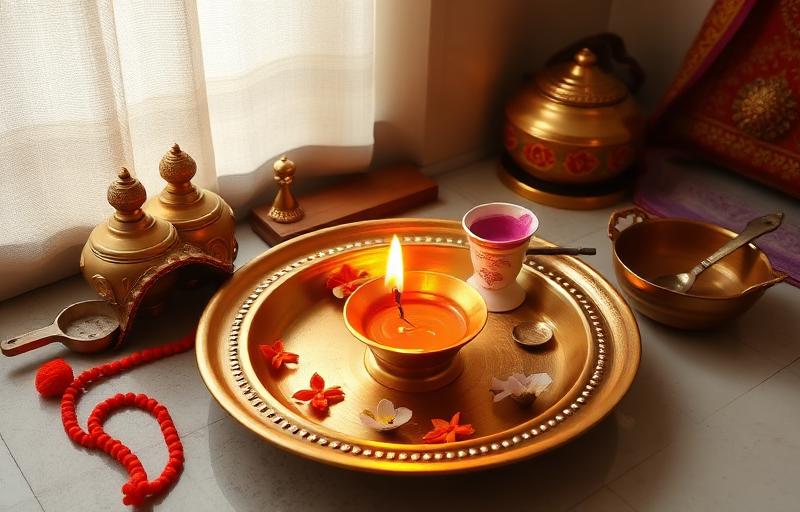
Havan Samagri - What You Need
Gather these before you begin:
- Havan kund (a copper or clay fire pot) or a clean brick/metal tray
- Dry mango or other sacred wood (samidha) and a little camphor (kapoor) to start the fire
- Pure cow ghee and a spoon (sruva) for ahuti
- Havan samagri mix (a blend of herbs, dried roots, jau, til, sandalwood and dry fruits) - readily available ready-made
- Akshat (unbroken rice), roli, kalava, supari, batashe and a few coins
- Kalash of water, a small bowl, flowers and incense
- A clean cloth or asana to sit on, facing east or north
Keep everything within easy reach so the fire is never left unattended.
Step-by-Step Havan Vidhi
1. Snan & sankalp: Bathe, wear clean clothes, sit facing east or north, and take a sankalp (resolve) stating your name and the purpose of the havan. 2. Purify: Sprinkle a little water around the havan kund and on yourself, chanting Om Apavitrah Pavitro Va.... 3. Ganesh & deity puja: First invoke Lord Ganesha for a smooth ritual, then your ishta devta, with roli, akshat, flowers and a lamp. 4. Kindle the fire: Place the wood and camphor in the kund and light it, requesting Agni Deva to accept the offerings. 5. Ahuti: Take a pinch of samagri with a little ghee in your right hand (or the sruva), and after each mantra offer it into the fire saying 'Swaha'. 6. Mantra japa: Offer ahutis with your chosen mantras (see below), commonly 11, 21 or 108 times. 7. Purnahuti: Conclude with the final full offering (a betel nut, batashe, coconut or a larger ahuti) with 'Swaha'. 8. Aarti & prasad: Perform aarti, pray for forgiveness of any errors, take the holy ash (bhasma) on your forehead, and distribute prasad. Let the fire die down safely.
Common Mantras & Safety Tips
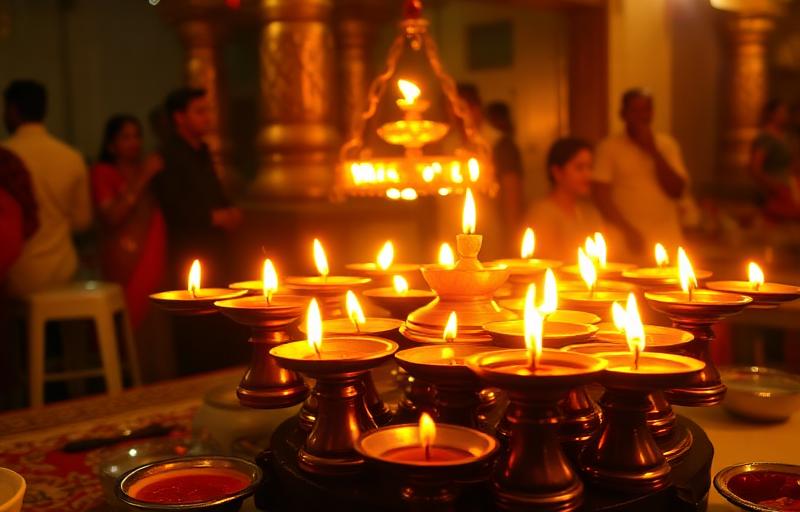
Simple universal mantras for ahuti (each ending with 'Swaha'):
- Om Bhur Bhuvah Swah (the Gayatri opening)
- Om Agnaye Swaha, Idam Agnaye Idam Na Mama
- Om Namah Shivaya Swaha or your ishta devta's mantra
- The full Gayatri Mantra is widely used: Om Bhur Bhuvah Swah Tat Savitur Varenyam...
Safety tips:
- Perform the havan in a well-ventilated space and keep water and a cloth nearby.
- Never leave the burning kund unattended; keep children and loose clothing away.
- Use only pure ghee and natural samagri; avoid any plastic or chemicals.
- After the ritual, let the embers cool fully before disposing of the ash respectfully (in a plant pot, river or clean earth).
A havan need not be elaborate. Done with shraddha, even a short fire offering brings a sense of purity and peace to the home.
Frequently Asked Questions
What is the basic samagri needed for a home havan?+
A havan kund, dry sacred wood and camphor to start the fire, pure cow ghee, a ready-made havan samagri mix (herbs, jau, til, sandalwood, dry fruits), akshat, roli, kalava, water and a spoon (sruva) for offering ahuti.
Which direction should I face during a havan?+
Traditionally one sits facing east or north while performing the havan. The havan kund is placed in front, and offerings are made with the right hand while chanting mantras ending in 'Swaha'.
What does 'Swaha' mean in a havan?+
'Swaha' is the sacred word said while offering each ahuti into the fire. It signifies surrendering the offering to Agni Deva so it may be carried to the deity. The offering is made at the moment 'Swaha' is spoken.
Can a havan be done without a priest at home?+
Yes. A simple havan with the Gayatri Mantra or your ishta devta's mantra can be performed at home with devotion. For major sanskars or specific anushthans, many prefer the guidance of a learned priest, but daily or festival havans are commonly done by householders.
About the author
Dr. Suresh Iyer · Vastu Shastra & Jyotish, 18+ years
Dr. Suresh has practiced traditional Vastu and basic Vedic Jyotish for over 18 years across South India. He contributes the Vastu, direction, and home-puja layout guides on Vandnaa.
Meet the Vandnaa editorial team →