The Mahamrityunjaya Mantra
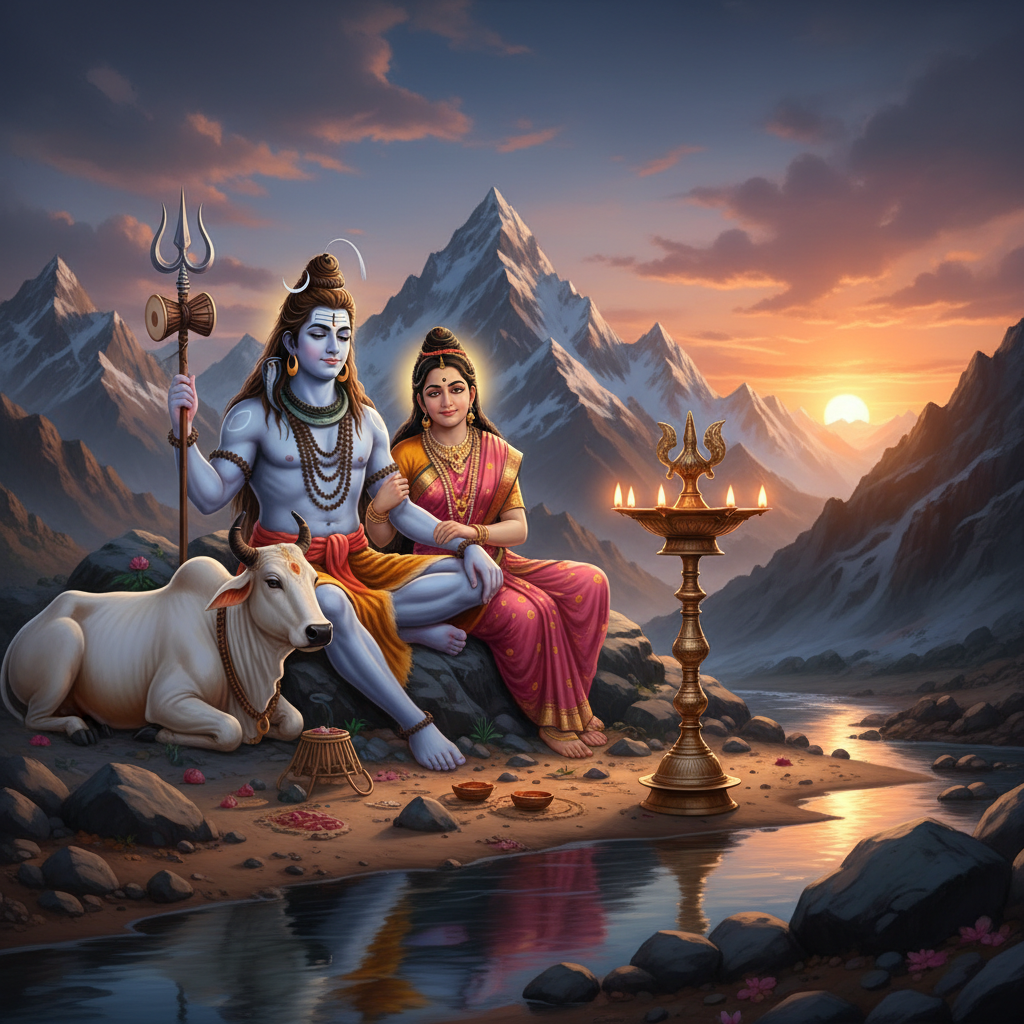
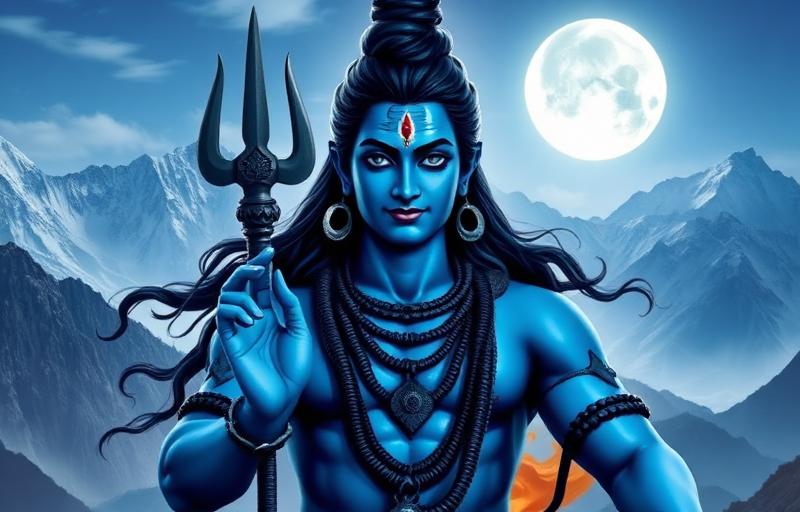
The Mahamrityunjaya Mantra, also called the Tryambakam Mantra, is a verse from the Rigveda dedicated to Lord Shiva as the conqueror of death (Mrityunjaya).
Om Tryambakam Yajamahe Sugandhim Pushtivardhanam Urvarukamiva Bandhanan Mrityor Mukshiya Maamritat
It is considered one of the most powerful mantras for healing, protection and longevity, second only to the Gayatri Mantra in its sacredness.
Word-by-Word Meaning
- Om - the primordial sound of the divine
- Tryambakam - the three-eyed one (Lord Shiva)
- Yajamahe - we worship, we adore
- Sugandhim - the fragrant one, full of sweetness and virtue
- Pushtivardhanam - the increaser of nourishment, health and strength
- Urvarukam iva - like a ripe cucumber (which separates effortlessly from its stem)
- Bandhanan - from bondage (of attachment and the body)
- Mrityor mukshiya - free us from death
- Ma amritat - but not from immortality
Overall meaning: We worship the three-eyed Lord Shiva, fragrant and nourishing. Just as a ripe cucumber falls easily from its vine, may he free us from the bondage of death - not from immortality, but for the sake of liberation.
Benefits of the Mahamrityunjaya Mantra
- Health & healing: Chanted for recovery from illness and for physical and mental well-being.
- Protection: Believed to guard against accidents, untimely death and unseen dangers.
- Longevity: Prayed for long life and the health of loved ones.
- Inner strength: Calms fear and anxiety, steadies the mind, and deepens faith.
- Spiritual growth: Loosens attachment and turns the heart toward liberation (moksha).
It is often chanted for someone who is unwell, during difficult planetary periods, or as a daily practice for peace and protection.
Jaap Vidhi - How to Chant
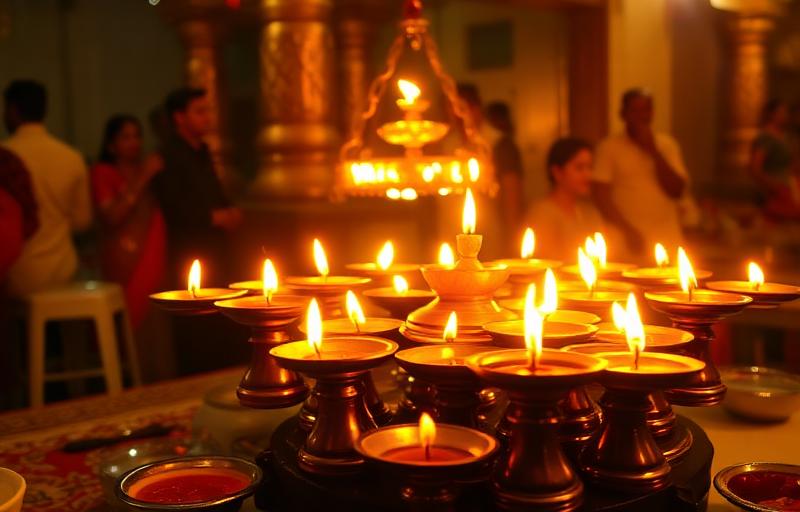
1. Time: Best chanted at Brahma Muhurat (early morning) or in the evening; Mondays and Pradosh are especially powerful. 2. Seat: Bathe, sit on a clean asan facing east or north before a Shivling or Shiva image. 3. Mala: Use a rudraksha mala and chant in rounds of 108. A sankalp of 11, 21 or 108 malas over a period is common for a specific prayer. 4. Lamp & offering: Light a ghee lamp, offer bilva leaves and water to the Shivling. 5. Pronunciation: Chant slowly and clearly, keeping the mind on Shiva and the meaning. Steady, faith-filled repetition matters more than speed. 6. End with 'Om Namah Shivaya' and sit quietly for a moment.
For someone seriously unwell, families often arrange a Mahamrityunjaya jaap or havan with a priest.
Common Questions From Devotees
What is the Mahamrityunjaya Mantra used for?+
It is chanted for health and healing, protection from untimely death and danger, longevity, peace of mind, and spiritual growth. It is a prayer to Lord Shiva, the conqueror of death.
How many times should the Mahamrityunjaya Mantra be chanted?+
A common practice is 108 times (one mala) daily with a rudraksha mala. For a specific prayer, people undertake a sankalp of 11, 21 or 108 malas over a set period, or a havan with a priest.
Can anyone chant the Mahamrityunjaya Mantra?+
Yes. Anyone can chant it with faith and clean intention, for themselves or for the well-being of others. Correct pronunciation, a steady mind and devotion are what matter most.
What is the best time to chant it?+
Brahma Muhurat (early morning) and the evening are ideal, and Mondays, Pradosh kaal and the Shravan month are especially powerful. Daily chanting with a lit lamp before a Shiva image is a beautiful practice.
About the author
Acharya Vinaya Kapoor · M.A. Sanskrit, Mantra & Stotra Studies
Acharya Vinaya holds an M.A. in Sanskrit from Banaras Hindu University and writes the mantra and stotra commentary on Vandnaa. Her focus is on accurate pronunciation, traditional context, and helping modern readers connect with classical texts.
Meet the Vandnaa editorial team →