All 24 Pradosh Dates 2026 + Day-wise Special Benefits
What is Pradosh time?
Pradosh is the period 1.5 hours before sunset to 1.5 hours after sunset on Trayodashi (13th lunar day) of any fortnight. So roughly 4:30 PM - 7:30 PM for most of India (timing varies by season).
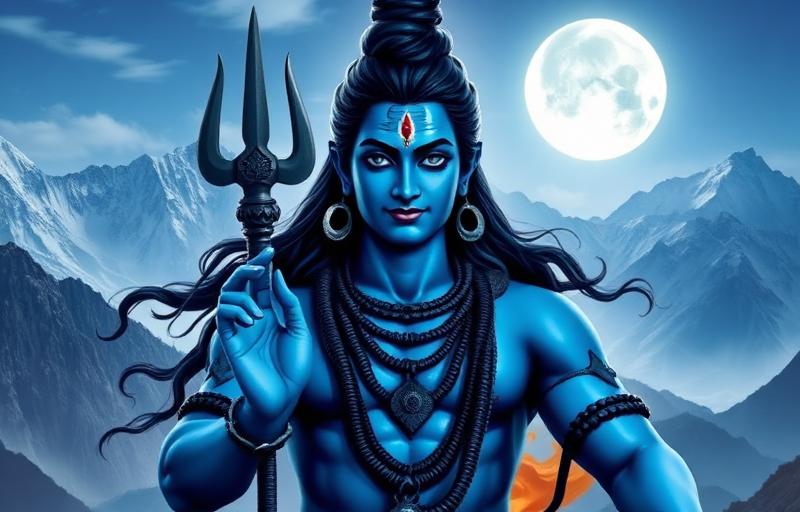
During this 3-hour window, Lord Shiva is said to dance the Tandava on Mount Kailash. The cosmic energy is so intense that any prayer offered then carries 1000x weight.
Pradosh Vrat dates 2026 - all 24:
January 2026:
- January 1 (Thursday) - Guru Pradosh.
- January 16 (Friday) - Shukra Pradosh.
- January 31 (Saturday) - Shani Pradosh (most powerful).
February 2026:
- February 14 (Saturday) - Shani Pradosh.
March 2026:
- March 1 (Sunday) - Ravi Pradosh.
- March 16 (Monday) - Soma Pradosh (most auspicious).
- March 31 (Tuesday) - Bhauma Pradosh.
April 2026:
- April 14 (Tuesday) - Bhauma Pradosh.
- April 30 (Thursday) - Guru Pradosh.
May 2026:
- May 14 (Thursday) - Guru Pradosh.
- May 30 (Saturday) - Shani Pradosh.
June 2026:
- June 12 (Friday) - Shukra Pradosh.
- June 28 (Sunday) - Ravi Pradosh.
July 2026:
- July 12 (Sunday) - Ravi Pradosh.
- July 28 (Tuesday) - Bhauma Pradosh.
August 2026:
- August 11 (Tuesday) - Bhauma Pradosh.
- August 26 (Wednesday) - Budha Pradosh.
September 2026:
- September 9 (Wednesday) - Budha Pradosh.
- September 25 (Friday) - Shukra Pradosh.
October 2026:
- October 9 (Friday) - Shukra Pradosh.
- October 24 (Saturday) - Shani Pradosh.
November 2026:
- November 7 (Saturday) - Shani Pradosh.
- November 23 (Monday) - Soma Pradosh.
December 2026:
- December 7 (Monday) - Soma Pradosh.
- December 22 (Tuesday) - Bhauma Pradosh.
Day-wise Benefits (the unique aspect of Pradosh):
The DAY OF WEEK on which Pradosh falls determines special benefits:
Soma Pradosh (Monday):
- Most auspicious of all Pradoshes.
- Brings mental peace, removes anxiety.
- Awakens spiritual evolution.
- Helps in attaining moksha.
- Cures lunar disorders (mental, emotional).
- Best for: Spiritual seekers, anxious people, those wanting peace of mind.
Bhauma Pradosh (Tuesday):
- Removes debts and financial obligations.
- Cures blood disorders and red blood cell issues.
- Removes Mangal dosh from horoscope.
- Resolves disputes with brothers/property.
- Best for: Debt-ridden people, those with blood issues, people in conflicts.
Budha Pradosh (Wednesday):
- Enhances communication and business success.
- Improves intellectual abilities.
- Brings success in studies.
- Removes obstacles in career.
- Best for: Students, business people, those in communication-heavy careers.
Guru Pradosh (Thursday):
- Brings spiritual wisdom and guidance.
- Removes obstacles in marriage.
- Blesses with good progeny.
- Helps in legal matters.
- Best for: Unmarried people seeking partner, those wanting children, legal cases.
Shukra Pradosh (Friday):
- Brings luxury, comfort, and wealth.
- Improves relationships and love life.
- Enhances beauty and artistic talents.
- Removes Shukra (Venus) doshas.
- Best for: Those seeking relationships, artists, wealthy aspirations.
Shani Pradosh (Saturday):
- THE MOST POWERFUL Pradosh.
- Removes Sade Sati (7.5 years of Saturn's influence).
- Removes Shani dhaiya effects.
- Removes major karmic obstacles.
- Gives blessings for ancestors (pitru dosh removal).
- Best for: Those undergoing Saturn periods, dealing with ancestors' issues, major karma.
Ravi Pradosh (Sunday):
- Long life and good health.
- Removes diseases and curses.
- Brings government/authority favor.
- Cures eye problems and skin issues.
- Best for: Those seeking longevity, government workers, sick people.
The 'Maha Pradosh':
When Pradosh falls on a Saturday with specific astrological combinations, it becomes 'Maha Pradosh' - extraordinarily powerful. In 2026, the following Saturdays are Pradosh: January 31, February 14, May 30, October 24, November 7. Mark these for special observance.
Complete Vidhi + Shiva-Parvati Story
The Shiva-Parvati Story of Pradosh:
During Samudra Manthan (cosmic ocean churning), the Halahala poison emerged - so deadly that it could destroy the cosmos. Lord Shiva drank it to save creation, but the poison's burn was so intense, even Shiva needed help.
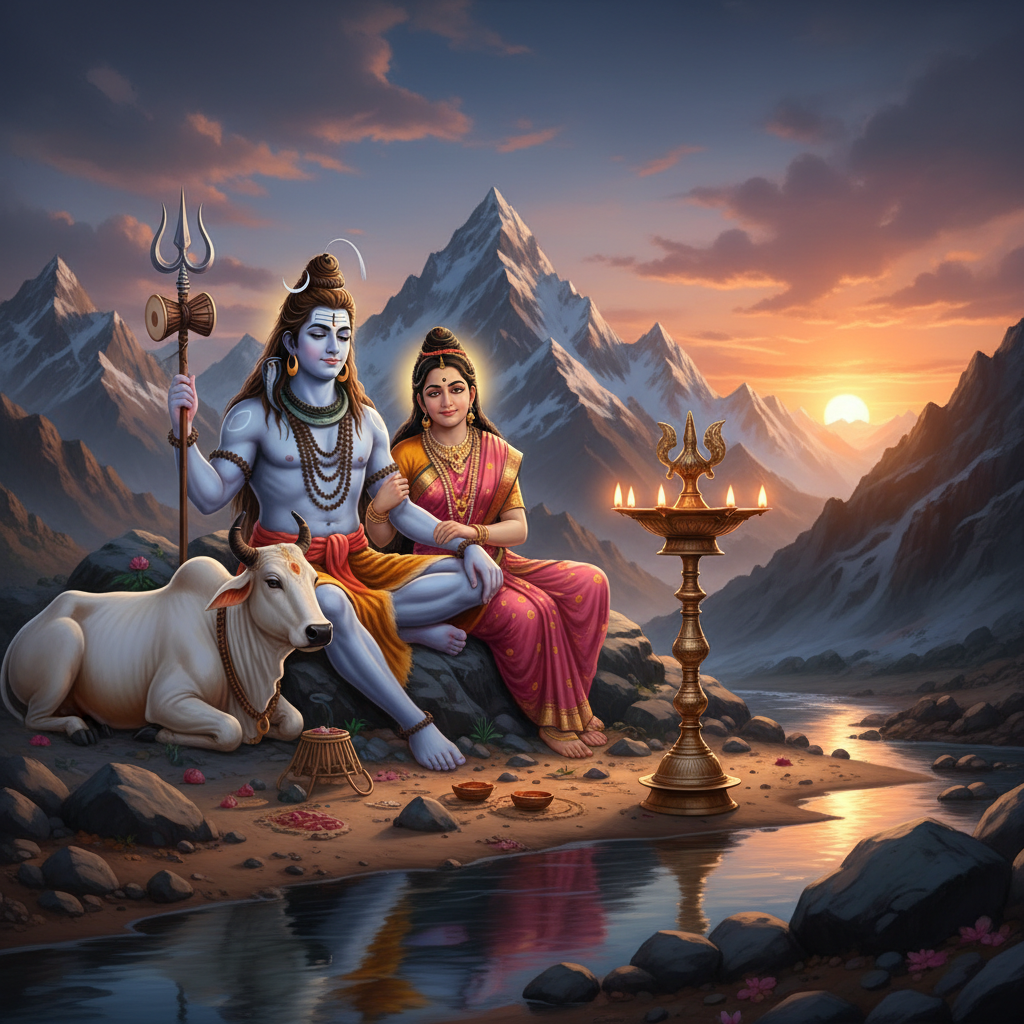
Goddess Parvati saw her husband suffering. She held his throat to prevent the poison from going down further - the poison stopped in his throat, turning it permanently blue (giving Shiva the name Neelakanth - the blue-throated). But the burn continued.
The devas (gods) then came to help. They began offering water, ghee, milk, and prayers. The healing happened during the Trayodashi evening (13th lunar day, evening time). All the gods chanted Shiva mantras intensely.
As Shiva's pain reduced, his energy returned. He began to dance - the cosmic Tandava - between the horns of Nandi (his bull). This dance was so powerful that all creation began to vibrate with cosmic energy. The gods watched in awe, dancing along.
This Pradosh-time dance became the eternal rhythm. Every Trayodashi evening since then, Shiva dances - and devotees who fast and pray during this time receive his cosmic blessings.
Complete Pradosh Vidhi:
Morning (Trayodashi day): 1. Wake before sunrise. Bath. 2. Wear clean white or light blue clothes. 3. Apply vibhuti (sacred ash) tripundra on forehead. 4. Sit briefly in puja room - light a diya. 5. Take Sankalpa - state your intention for the day. 6. Throughout the day, fast (see fasting rules below). 7. Chant 'Om Namah Shivaya' continuously throughout day.
Pre-Pradosh preparation (2-3 PM): 1. Take second bath. 2. Wear fresh clean clothes. 3. Prepare puja items:
- Shivling (or your home temple's Linga).
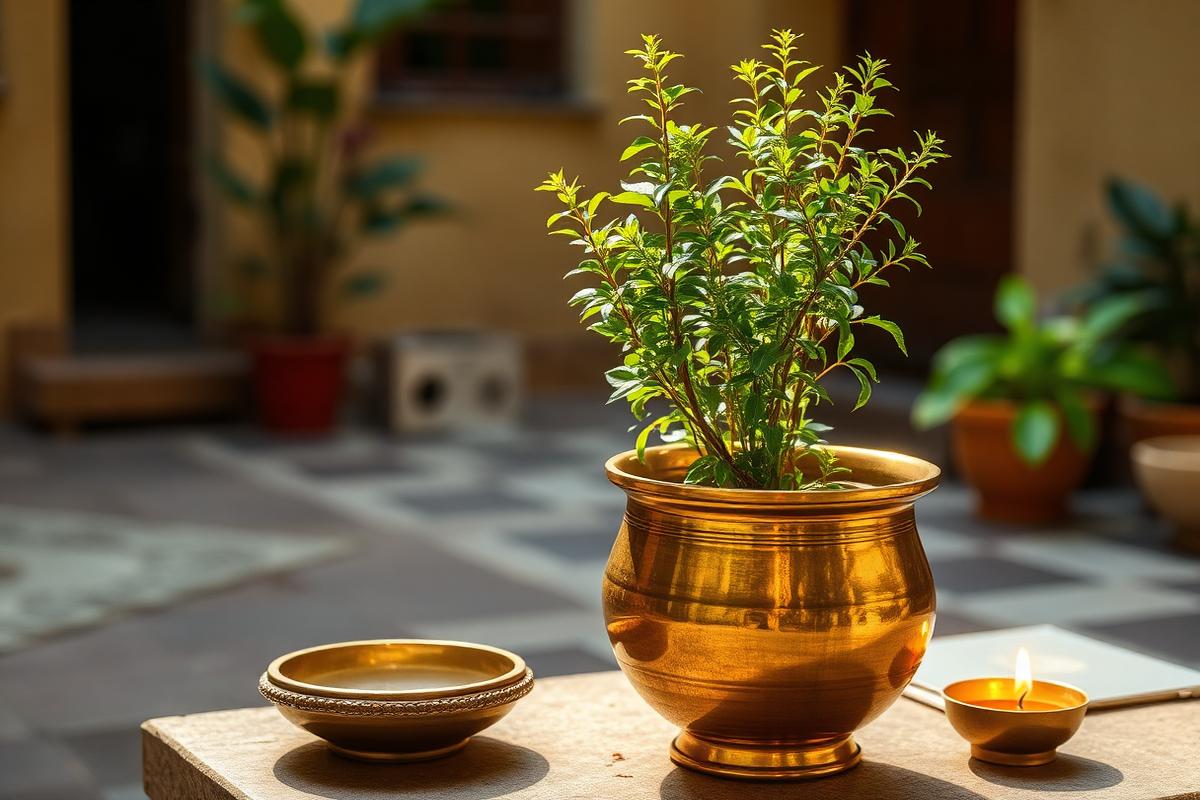
- Water in copper pot.
- Bilva patra (bel leaves) - 11, 21, or 108 leaves.
- White flowers (especially datura, kaner, dhatura).
- White rice (akshat).
- Sweets - especially kheer, peda.
- Fruits.
- 5 different items (panchamrit): milk, curd, ghee, honey, sugar.
- Camphor, incense, oil lamp.
Pradosh time (sunset window):
Step 1 - Setup (just before sunset):
- Light the diya.
- Light incense.
- Place Shivling at center.
- Place fruits and offerings around.
Step 2 - Sankalpa:
- Sit facing east or north-east.
- State: 'I undertake Pradosh Vrat on this auspicious Trayodashi for [specific intention] and Lord Shiva's blessings.'
Step 3 - Shivling Abhishek:
- Pour water slowly over Shivling.
- Then milk, curd, ghee, honey, sugar in sequence.
- Finally pour water again to clean.
- Wipe gently with clean cloth.
Step 4 - Offerings:
- Apply chandan tilak on Linga.
- Offer bilva patra (3 leaves at a time).
- Offer white flowers.
- Offer akshat (rice).
- Offer fruits.
- Offer sweets.
Step 5 - Mantras:
- Chant 'Om Namah Shivaya' - 108 or 1008 times.
- Recite Shiv Chalisa (or Mahishasura Mardini if Devi-focused).
- Recite Maha Mrityunjaya Mantra - 21 times.
- Optional: Read Pradosh Stotra.
Step 6 - Aarti:
- Light camphor.
- Perform aarti with circular motion.
- Sing Shiv aarti songs.
- Distribute aarti's warmth to all family members.
Step 7 - Bhog and prasad:
- Offer cooked vegetarian food (kheer, halwa, sabudana khichdi).
- Place small portion before Linga for blessing.
- After puja, distribute to all family members.
Step 8 - Reading the Story:
- Read the Pradosh Vrat Katha (Shiva-Parvati story above).
- Sit silently 5-10 minutes.
- Sleep early.
Fasting Rules:
Strict version (Nirjala - waterless):
- No food or water entire day until after Pradosh puja.
- Break fast with water and fruit after evening puja.
- Very intense; only for healthy adults.
Moderate version (most common):
- No grains, no salt for full day.
- Falahar (fruits, milk, dry fruits, sabudana) allowed.
- After Pradosh puja, eat single satvik meal.
Liberal version (for working people):
- Vegetarian food only.
- Avoid onion, garlic, alcohol.
- Single meal before sunset.
- Empty stomach during Pradosh puja.
Foods to AVOID on Pradosh:
- Meat, fish, eggs (always).
- Rice (in strict version).
- Salt (in strict version).
- Onion, garlic, mushrooms.
- Alcohol, smoking.
- Hotel/restaurant food (not made with devotion).
Foods ALLOWED:
- Fruits - any fresh fruit.
- Milk products - curd, ghee, paneer, milk.
- Dry fruits.
- Falahar items - sabudana, kuttu atta, singhada atta.
- Vegetables (no onion/garlic).
- Saunf, ginger, sendha namak (rock salt).
- Water (in moderate version).
What People Ask Most
Should I observe both fortnightly Pradoshes or just one?+
Both is ideal, but one consistently is better than two irregularly. Most devotees can manage one - choose the Shukla Paksha (waxing moon) Pradosh as your priority - it's slightly more auspicious as the moon is growing. If only one fortnightly observance, alternate Shukla and Krishna. If feeling intense devotion, do both. Working people often observe both with the moderate (liberal) fasting style. Spiritual aspirants doing serious sadhana observe both with strict fasting. Build up gradually - start with one Pradosh a month, then go to one a fortnight, then both.
How is Pradosh different from Mahashivratri?+
Pradosh is a fortnightly observance (every 13th lunar day = 24 times yearly). Mahashivratri is annual (once per year, on Phalguna Krishna Chaturdashi - typically February). Mahashivratri lasts the entire night (4 prahars or 12 hours of intense worship). Pradosh is 3 hours (sunset window). Mahashivratri is THE supreme Shiva day; Pradosh is regular but powerful weekly-pace devotion. Best practice: observe both. Pradoshes maintain ongoing devotion all year; Mahashivratri intensifies once a year. The combination is far more powerful than either alone.
Can I do Pradosh Vrat at office if I cannot get home before sunset?+
Yes, with modification. Two options: (1) Mini-puja at office: keep a small Shiva picture in drawer, at sunset take 10 minutes alone (washroom break if needed), light a virtual diya (battery), chant 'Om Namah Shivaya' 108 times silently. (2) Worship at home after returning: even if it's 2-3 hours after technical Pradosh, the spirit counts more than precise timing. Have a quick puja at 8-9 PM if you reach home then. Many modern professionals do mini-Pradosh at office plus full puja next morning. The fasting can be maintained throughout the day regardless. Shiva accepts modified devotion - he understands modern life.
What is the right number of Bilva leaves to offer on Pradosh?+
Recommended numbers: (1) Minimum 11 for general Pradosh. (2) 21 for stronger benefit. (3) 108 for intensive devotion. (4) 1008 for major intentions (like seeking marriage, child, big career break). (5) Some traditions: 'as many as you can place' - keep adding while chanting Shiva mantras. Each bilva leaf is offered with a single chant of his name. Important: each bilva leaf should be the proper 3-petal (trifoliate) form. Place upside-down (the smooth side facing down to Shiva). Use only fresh, undamaged leaves. Wash gently before offering. After puja, the leaves can be retained for 7 days, then immersed in water (river/pond) or buried under a tree.
About the author
Pandit Mahesh Trivedi · Festival Traditions & Panchang
Pandit Mahesh leads the festival-date and Panchang content on Vandnaa. He cross-references multiple regional panchangs (Drik, Vaishnava, Bengali, Marathi) for every festival date published on the site.
Meet the Vandnaa editorial team →