Who Is Hayagriva
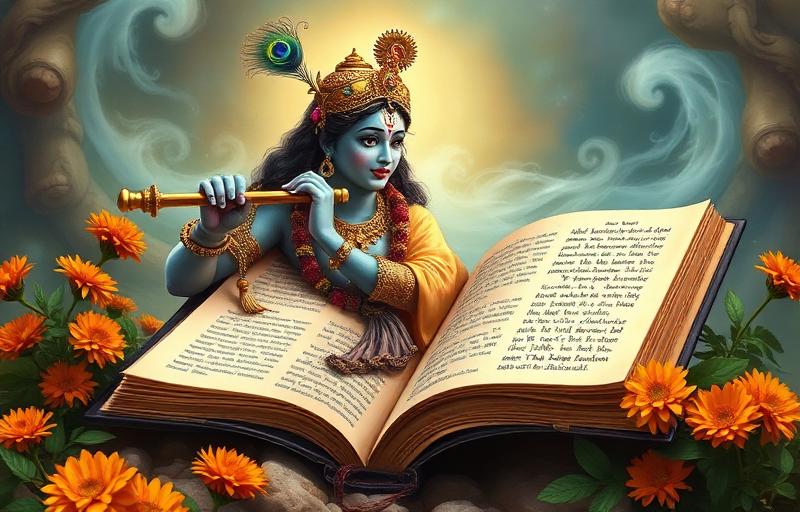
Hayagriva is revered in Hindu tradition as a horse-headed form of Lord Vishnu, worshipped specifically as the source and protector of divine knowledge. Where Vishnu's other forms are often associated with preserving cosmic order or protecting devotees, Hayagriva is honored particularly by scholars, students and seekers of wisdom.
His distinct iconography, a human form crowned with the head of a horse, radiant and serene, sets him apart as a gentle, learned presence within the wider family of Vishnu's forms.
The Story of Hayagriva and the Vedas
According to Puranic tradition, the sacred Vedas were once stolen by the demons Madhu and Kaitabha while Brahma slept. To restore this knowledge to the world, Lord Vishnu is said to have taken the form of Hayagriva, overcoming the demons and returning the Vedas to Brahma.
This story is cherished by devotees not merely as an account of victory, but as a devotional statement that divine knowledge, once lost or hidden, is always ultimately protected and restored by grace.
Saraswati and Hayagriva: Worshipped Together
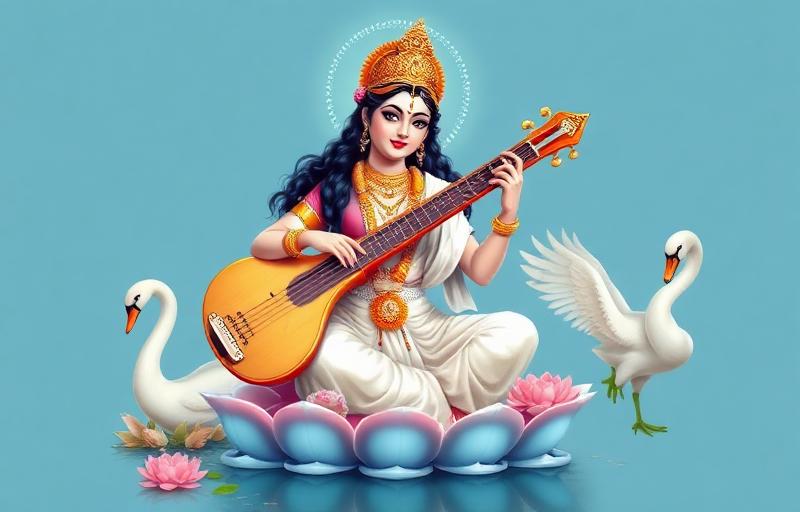
In several traditions, particularly across South India, Hayagriva and Saraswati are honored together as two threads of the same reverence for knowledge, Hayagriva as the protector and source of the Vedas, and Saraswati as the goddess through whom that knowledge flows into speech, learning and the arts.
Centers of scholarship such as Melkote in Karnataka hold Hayagriva in special regard, and it is said that Adi Shankaracharya himself sought Hayagriva's blessings for wisdom. Some mathas, including Sringeri, include remembrance of Hayagriva alongside their devotion to Sharada Saraswati.
How Devotees Worship Hayagriva
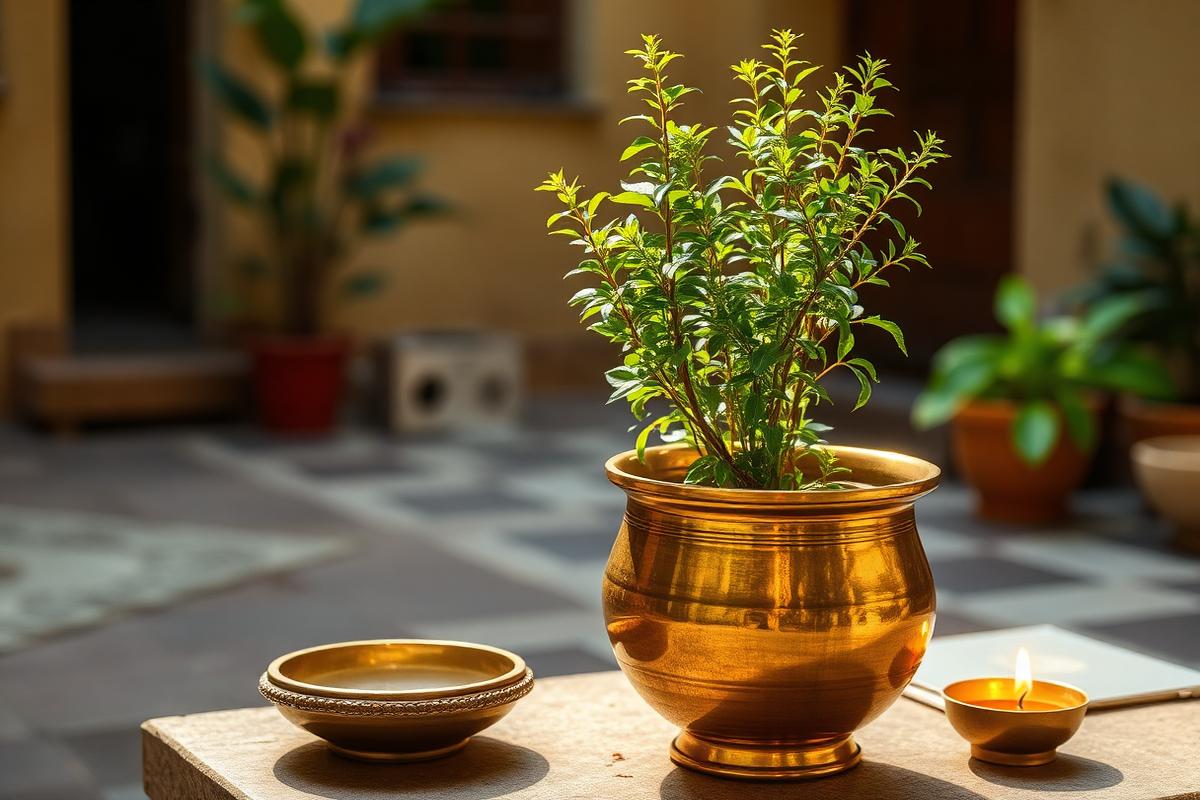
Devotion to Hayagriva typically includes:
- Reciting the Hayagriva Stotram before study, teaching or writing
- Seeking his blessings alongside Saraswati during periods of scholarship, such as before an important exam or the start of Vedic study
- Offerings of simple, sattvic foods and a quiet, focused prayer rather than elaborate ritual
- Remembering him particularly around Shravana Purnima, associated in some traditions with his appearance
As with Saraswati worship, the emphasis remains on sincerity of mind rather than grandeur of ritual.
Why This Connection Matters Today
The shared reverence for Hayagriva and Saraswati offers devotees a fuller picture of what it means to honor knowledge, it must be protected and preserved, as Hayagriva's story teaches, while also being allowed to flow freely and creatively, as Saraswati embodies. Together, they represent both the discipline that safeguards wisdom and the grace that shares it.
Students and scholars who invoke both are, in a sense, honoring knowledge from every angle, its guarding as well as its giving.
A Devotional Takeaway
Hayagriva and Saraswati together remind devotees that knowledge is sacred enough to be guarded, yet generous enough to be shared. Invoking either, or both, is an act of faith in the belief that true wisdom always finds its way back to those who seek it sincerely.
Frequently Asked Questions
Who is Hayagriva?+
Hayagriva is a horse-headed form of Lord Vishnu, revered in Hindu tradition as the source and protector of divine knowledge, worshipped especially by scholars and students.
What is the story of Hayagriva and the Vedas?+
According to Puranic tradition, when the demons Madhu and Kaitabha stole the Vedas from a sleeping Brahma, Vishnu took the form of Hayagriva, defeated them and restored the sacred knowledge.
Why are Hayagriva and Saraswati worshipped together?+
In several traditions, especially in South India, Hayagriva is seen as the protector of the Vedas and Saraswati as the goddess through whom that knowledge flows, together representing the full reverence for wisdom.
About the author
Anjali Mehta · Editor, M.A. Religious Studies
Anjali is the managing editor for Vandnaa and oversees the festival and vrat coverage. She holds an M.A. in Religious Studies and reviews every published article for accuracy, accessibility, and tradition-fidelity.
Meet the Vandnaa editorial team →