What Is Pradakshina
Pradakshina (also called parikrama) is the devotional act of walking around a deity, shrine, temple or sacred object in a respectful circle. The word means moving with the divine always on your right (dakshina) side. It is one of the oldest and simplest forms of worship, performed silently with folded hands or while chanting the lord's name. Each step is offered as a small surrender, turning a plain walk into a moving prayer.
The Correct Direction - Always Clockwise
Pradakshina is always done in a clockwise direction, so that the deity stays on your right side throughout. Begin from the front of the deity, move toward your left so you pass along the deity's right, and complete the circle back to the front. The right side is considered the side of honour, which is why the divine is kept there. Never walk anti-clockwise around a deity, as a reverse circle (apradakshina) is reserved only for specific occasions such as certain rites for the departed.
How Many Rounds for Each Deity
Tradition prescribes a different number of rounds for each deity: 1. Ganesha - 1 pradakshina. 2. Vishnu (and his avatars) - 4 pradakshina. 3. Shiva - half a round (a chandra pradakshina); you go up to the jaladhari or somasutra channel that drains the abhishek water, then return the same way without crossing it. 4. Devi (Durga, Lakshmi, goddesses) - 1 pradakshina. 5. Surya - 7 pradakshina. 6. Peepal tree - 7 rounds, and on special vows up to 108. When unsure, an odd or single mindful round done with devotion is always acceptable.
Step-by-Step Method
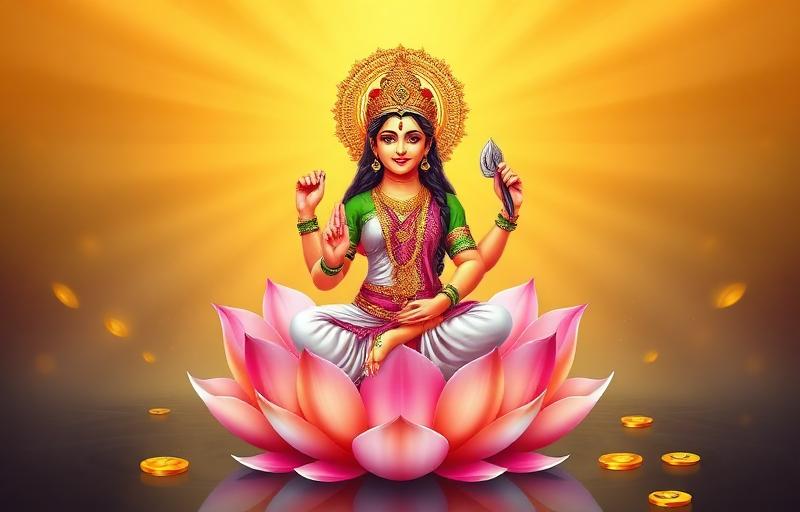
Do pradakshina with calm attention rather than haste: 1. First take darshan, bow before the deity and seek permission in your heart. 2. Stand at the front, fold your hands and softly chant the lord's name or mantra. 3. Step toward your left and begin the clockwise circle, walking slowly. 4. Keep your gaze gentle, mind on the deity, and avoid talking or using the phone. 5. Complete the prescribed number of rounds, returning to the front each time. 6. End by bowing again and standing still for a moment of gratitude. In large temples, follow the marked parikrama path and the crowd's flow.
The Inner Meaning
Pradakshina is far more than walking in a circle. The deity at the centre represents God as the unmoving centre of our life, while we, like a planet, revolve around that fixed point. Each round is a reminder that all our activity should turn around the divine rather than the ego. Keeping the lord on our right honours the divine as our guide, and the repeated circles slowly draw the wandering mind back to its true centre.
Benefits of Pradakshina
Pradakshina calms and focuses a restless mind, deepens devotion and surrender, and turns simple movement into a form of meditation. Done slowly with the lord's name, it brings inner peace and a sense of being protected. The gentle walking is also a mild, healthy form of physical activity, and circling a Peepal or sacred tree connects the devotee to nature's quiet, sustaining presence.
Dos and Donts
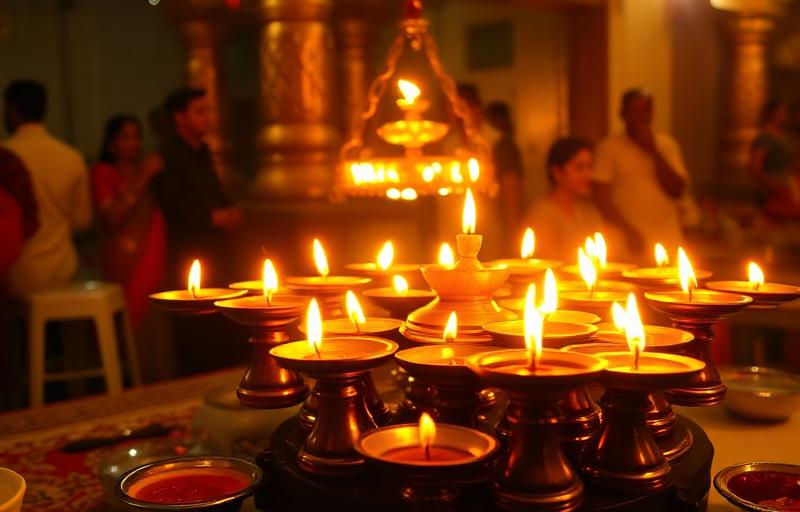
Do: move clockwise with the deity on your right, walk slowly with folded hands, chant a name or mantra, follow the deity-wise count, and keep the path clean. Dont: never go anti-clockwise, dont hurry or chat, dont cross the jaladhari channel during Shiva pradakshina, dont wear footwear inside the parikrama path, and dont turn your back rudely to the deity - bow before leaving.
Common Questions From Devotees
Which direction should Pradakshina be done in?+
Always clockwise, keeping the deity on your right side throughout. The right is the side of honour, so the divine is kept there. Anti-clockwise circling is avoided for normal worship.
How many rounds should I do for each deity?+
Ganesha 1, Vishnu 4, Devi 1, Surya 7 and Peepal 7 (up to 108 on vows). For Shiva, do only half a round up to the jaladhari channel and return the same way without crossing it.
Why is only half a round done for Shiva?+
The abhishek water from the Shivling flows out through the jaladhari (somasutra) channel and is considered very sacred and powerful. Devotees do not step over it, so they circle up to it and return, completing a half pradakshina.
What is the inner meaning of Pradakshina?+
The deity at the centre symbolises God as the unmoving centre of life, while we revolve around that fixed point. It reminds us to make the divine, not the ego, the centre of all our actions.
Can I do Pradakshina at home?+
Yes. You can circle your home shrine or a Tulsi or Peepal plant clockwise with folded hands while chanting. If space is limited, even turning around in place clockwise with devotion is accepted as atma-pradakshina.
Should I wear footwear during Pradakshina?+
No. Pradakshina is done barefoot, as the parikrama path around a deity is sacred ground. Walk slowly, keep the area clean, and bow before and after completing your rounds.
About the author
Pandit Mahesh Trivedi · Festival Traditions & Panchang
Pandit Mahesh leads the festival-date and Panchang content on Vandnaa. He cross-references multiple regional panchangs (Drik, Vaishnava, Bengali, Marathi) for every festival date published on the site.
Meet the Vandnaa editorial team →Explore on Vandnaa
Related Articles

Why We Do Parikrama (Circumambulation) - Significance
9 min read
Gau Mata Puja - Significance, Benefits & Vidhi to Worship the Cow
9 min read
Om Namah Shivaya Mantra Benefits & Meaning (ॐ नमः शिवाय)
9 min read
Gayatri Mantra Meaning, Benefits & How to Chant (गायत्री मंत्र)
12 min read

How to Fast Safely - Vrat Health Tips for Body and Mind
9 min read
Vrat ke Niyam - General Fasting Rules, Dos & Donts
9 min read