Fasting With Devotion and Care
Vrat (fasting) is observed for purification, devotion and self-discipline, and it can genuinely rest the digestive system. But the scriptures themselves say the body is a temple, so fasting should strengthen you, not weaken you. A safe vrat balances devotion with common sense: enough water, light nourishing food where allowed, and honest awareness of your own health. Faith and care are not opposites; together they make a fast both spiritual and sustainable.
Stay Hydrated Throughout
Hydration is the single most important rule of safe fasting. Unless your vrat is a strict nirjala (waterless) fast, drink water regularly through the day. Helpful fluids include plain water, coconut water, lemon water, buttermilk (chaas) and milk, which prevent weakness, dizziness and headaches. In hot weather, sip fluids more often and avoid the midday sun. If you feel faint, dizzy or your heart races, drink water or juice at once - protecting your health does not break the spirit of your vow.
Eat Light, Nourishing Vrat Food
Most vrats allow falahar (fasting food), which keeps your energy steady: 1. Fruits like banana, apple and papaya give natural sugars and fibre. 2. Milk and dairy such as milk, curd and paneer provide protein and calcium. 3. Dry fruits and nuts like almonds and raisins give slow, lasting energy. 4. Vrat grains such as sabudana, singhara and kuttu flour, with sendha namak, make filling meals. Eat small portions at intervals rather than one heavy meal, and avoid too much deep-fried or sugary food, which causes energy crashes.
Avoid Overexertion and Rest Well

On a fasting day, keep your routine gentle. Avoid heavy workouts, long hours in the sun, lifting heavy loads or strenuous travel, as the body has less fuel than usual. Light walking, prayer, reading and chanting suit a vrat well. Get enough sleep the night before, and rest or sit quietly if you feel tired during the day. Listening to your body is not weakness of faith; it is wisdom that lets you complete your vow with strength.
Break the Fast Gently
How you break a fast matters as much as the fast itself. After the puja or at the prescribed time, begin with something light: 1. Start with water, fruit, or a few soaked nuts. 2. Then take easily digestible food like khichdi, curd or cooked vegetables. 3. Avoid jumping straight to heavy, oily, spicy or very large meals, which can upset the stomach. 4. Eat slowly and chew well, giving the resting digestive system time to wake up. Breaking a fast gently prevents acidity, bloating and discomfort, especially after a long or waterless vrat.
Who Should Be Careful or Avoid Fasting
Fasting is not equally safe for everyone. People with diabetes can face dangerous drops in blood sugar and must consult a doctor before fasting. Pregnant and breastfeeding women, growing children, the very elderly, and those who are ill, weak or recovering from surgery should avoid strict fasts. Anyone on regular medication, or with low blood pressure, heart, kidney or eating-related conditions, should seek medical advice first. For them, a token fast or simple devotion is far better than risking health.
Quick Dos and Donts
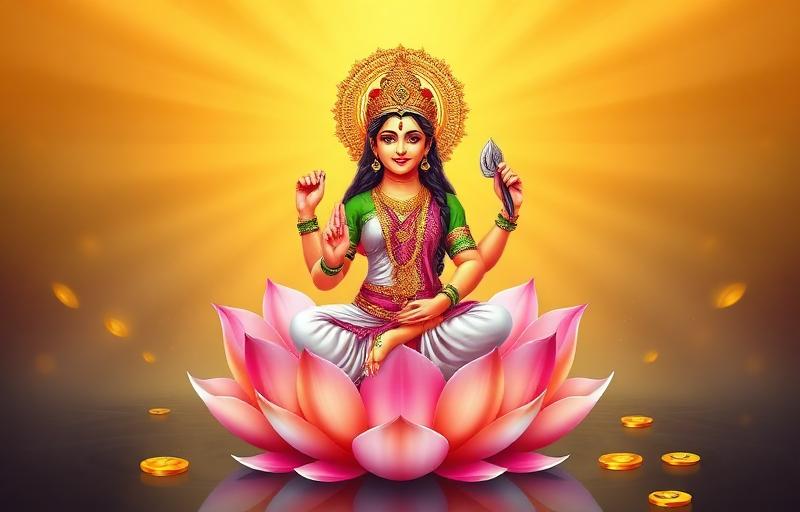
Do: drink fluids often, eat light falahar at intervals, rest well, break the fast gently, and consult a doctor if you have any condition. Dont: dont skip water unless the vrat truly requires it, dont overexert in heat, dont gorge on fried food when breaking the fast, and dont continue a fast if you feel faint, dizzy or unwell - your health and your devotion both matter.
Quick Answers
Can I drink water during a vrat?+
Yes, unless your vrat is specifically a nirjala (waterless) fast. Most fasts allow water, and staying hydrated with water, coconut water, lemon water and milk is the most important rule of safe fasting.
What foods are best to eat during fasting?+
Light falahar like fruits, milk, curd, paneer, nuts and vrat grains such as sabudana, singhara and kuttu with sendha namak. Eat small portions at intervals and avoid too much fried or sugary food.
How should I break a fast safely?+
Break it gently. Start with water, fruit or soaked nuts, then have easily digestible food like khichdi or curd. Avoid heavy, oily or spicy meals immediately, and eat slowly to prevent acidity and bloating.
Who should avoid fasting?+
People with diabetes, pregnant and breastfeeding women, young children, the very elderly, the ill or weak, and those on regular medication should avoid strict fasts and consult a doctor first. A token fast is safer for them.
What should I do if I feel weak or dizzy while fasting?+
Stop and rest at once, and drink water, juice or have a little fruit or milk. Protecting your health does not break the spirit of your vow. If symptoms persist or are severe, seek medical help promptly.
Can I exercise on a fasting day?+
Keep activity gentle. Avoid heavy workouts, long sun exposure and strenuous work, as the body has less fuel. Light walking, prayer and chanting suit a vrat well, and resting when tired is wise, not weak faith.
About the author
Pandit Ravindra Sharma · Vedic Rituals & Bhakti, 22+ years
Pandit Ravindra is the Vandnaa editorial team's resident specialist on aarti, chalisa, and daily devotion. He has performed home and temple pujas across Varanasi and Delhi for over two decades and contributes the bhakti-focused articles on this site.
Meet the Vandnaa editorial team →Explore on Vandnaa
Related Articles

Ekadashi Vrat Food (Falahar) - What to Eat & Avoid
9 min read

Fasting (Upvas) - Spiritual & Scientific Benefits
8 min read
Vrat ke Niyam - General Fasting Rules, Dos & Donts
9 min read
Why We Fast on Ekadashi - Significance & Benefits
9 min read
How to Do Pradakshina (Parikrama) Correctly - Steps, Counts & Meaning
9 min read
Sharad Navratri 2026: 9 Days Colors, Puja Vidhi, Vrat Rules & Kanya Pujan Guide
10 min read