What Ekadashi Is
Ekadashi is the eleventh tithi (lunar day) of each lunar fortnight, occurring twice a month - once in the waxing phase (Shukla) and once in the waning phase (Krishna). It is the most beloved fasting day for devotees of Lord Vishnu, who is worshipped on this day for purity, peace and liberation. There are twenty-four Ekadashis in a year, each with its own name and story, the most demanding being Nirjala Ekadashi, kept without even water.
The Spiritual Meaning of the Fast
Fasting on Ekadashi is far more than skipping food; it is a day to withdraw the senses from the world and turn the mind toward God. By eating little and avoiding grains, the devotee quiets the body's heaviness and frees energy for prayer, chanting and contemplation of Vishnu. The true fast is of the mind - keeping it away from anger, gossip and desire, and filling it instead with the name of God. In this way Ekadashi cleanses both body and soul.
The Moon, the Mind and the Eleventh Day
Hindu tradition teaches that the moon governs the mind, and its waxing and waning subtly affect our emotions and mental balance. The eleventh tithi is believed to be the day when this lunar pull on the mind is strongest, making restlessness and cravings rise. Fasting on Ekadashi steadies the mind against this pull, which is why the day is set aside for restraint and devotion. By eating lightly, the body and mind stay calm and aligned with spiritual practice.
The Health and Scientific Angle

A periodic fast gives the digestive system a much-needed rest, allowing the body to cleanse and repair itself. Going without grains every fortnight supports metabolism, lightens the body and is a traditional form of the intermittent fasting now widely studied for health. The light diet of fruit, milk and water keeps the body nourished while easing the load on the gut. Twice-monthly Ekadashi thus blends ancient devotion with a natural rhythm of rest and renewal for the body.
Rules - What to Eat and Avoid
The central rule of Ekadashi is to avoid all grains, rice, lentils and beans, which are believed to absorb negative energy on this day. Devotees may take:
- Fruits, milk, curd and dry fruits.
- Water and uncaffeinated drinks (except on Nirjala Ekadashi).
- Vrat foods like sabudana, singhara flour, potato and rock salt (sendha namak).
Also avoid onion, garlic, non-vegetarian food, alcohol, anger and harsh speech. Many keep a partial fast (phalahar), while the devout observe a full or waterless fast.
How to Observe the Ekadashi Vrat
1. Begin the fast from sunrise on Ekadashi, ideally with a light meal the night of Dashami (the day before). 2. Bathe, wear clean clothes and worship Lord Vishnu, offering tulsi leaves, yellow flowers and fruit. 3. Chant Om Namo Bhagavate Vasudevaya or read Vishnu stotras through the day. 4. Keep the mind in prayer; avoid sleeping too much, anger and idle talk. 5. Stay awake in devotion on the night, especially on major Ekadashis. 6. Break the fast (paran) the next morning on Dwadashi, within the prescribed time, after worship and ideally with grains and a charitable offering.
Benefits of Keeping Ekadashi
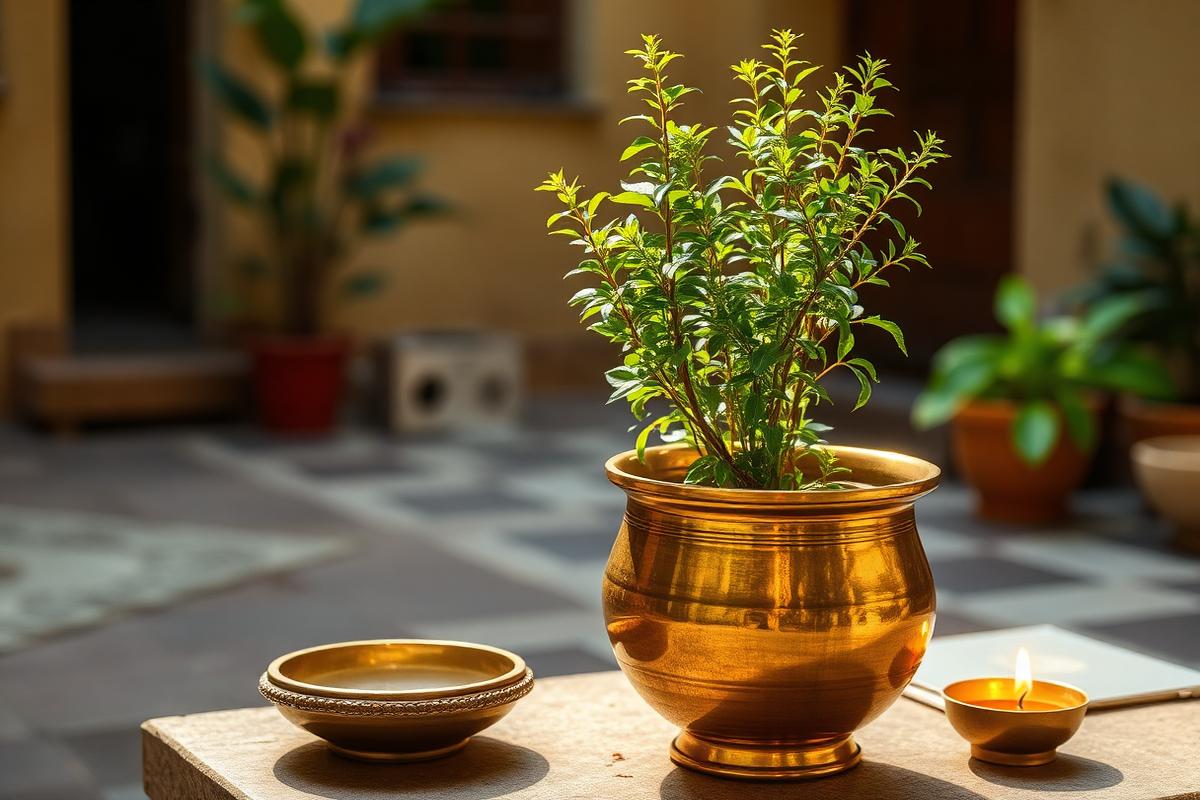
The scriptures promise that sincere Ekadashi fasting *burns away past sins, brings the grace of Lord Vishnu and leads the soul toward liberation (moksha).* On the worldly plane it cultivates self-discipline, calms the mind, sharpens devotion and gives the body a regular cleanse and rest. Above all, the fast trains the will and turns the heart steadily toward God, making it one of the most rewarding vrats in Hindu life.
Common Questions From Devotees
Why do we fast on Ekadashi?+
Ekadashi is the eleventh tithi sacred to Lord Vishnu. We fast to quiet the body and senses, steady the mind against the moon's pull, and turn fully toward prayer, earning purity and Vishnu's grace.
Why are grains avoided on Ekadashi?+
Grains, rice and lentils are believed to absorb negative energy on Ekadashi and to make the body heavy and the mind restless. Avoiding them keeps the mind light and focused on devotion.
What can I eat during the Ekadashi fast?+
You may take fruits, milk, curd, dry fruits and vrat foods like sabudana, singhara flour and potato with rock salt. Onion, garlic, grains and non-vegetarian food are avoided.
What is the link between the moon and Ekadashi?+
The moon is said to govern the mind, and on the eleventh tithi its pull on the mind is strongest, raising restlessness. Fasting on Ekadashi steadies the mind against this lunar influence.
When do we break the Ekadashi fast?+
The fast is broken the next morning on Dwadashi, the twelfth tithi, within the prescribed paran time, after worship. It is traditionally broken with grains and ideally a charitable offering.
Who should not keep a strict Ekadashi fast?+
The sick, elderly, pregnant women, children and those on medication should keep a gentle phalahar fast with fruit and milk rather than a waterless one. Devotion matters more than strain on the body.
About the author
Pandit Mahesh Trivedi · Festival Traditions & Panchang
Pandit Mahesh leads the festival-date and Panchang content on Vandnaa. He cross-references multiple regional panchangs (Drik, Vaishnava, Bengali, Marathi) for every festival date published on the site.
Meet the Vandnaa editorial team →Explore on Vandnaa
Related Articles

Why We Offer Prasad (Bhog) - Significance & Meaning
8 min read
Why We Do Aarti - Significance & Meaning
9 min read
Vishnu Aarti Lyrics - Om Jai Jagdish Hare in Hindi & English
8 min read
Vishnu Sahasranama: The 1000 Names of Vishnu - Meaning, Benefits & Daily Recitation Vidhi
12 min read
Dashavatar - 10 Avatars of Lord Vishnu: Names, Order, Meaning, Significance
11 min read

Hare Krishna Maha Mantra – Lyrics, Meaning & Benefits
9 min read