What Aarti Means
Aarti is the act of waving a lit lamp before a deity at the close of worship, sung with devotion and accompanied by a bell. The word comes from aaratrika, meaning the removal of darkness through light. Offering light symbolises surrendering our ego and ignorance to the divine and seeing God revealed in the glow of the flame. It is the heartfelt finale of puja, when the devotee says, in effect, 'I offer You all that I am.'
The Lamp and the Five Elements
A traditional aarti thali offers all of creation back to its creator through the five elements (pancha mahabhuta):
- The lamp flame represents fire (agni) and light.
- The incense and dhoop represent air (vayu) and ether (akash).
- The water and flowers represent water (jal) and earth (prithvi).
By circling these before the deity, the devotee returns the whole universe to God in gratitude, acknowledging that everything we have first came from the divine.
Scriptural and Cultural Reasons
Light has always been the most sacred symbol in Sanatan Dharma, from the Deepa Jyoti prayer to the festival of Deepavali. The Vedas honour Agni as the messenger who carries offerings to the gods, so the aarti flame is the medium that links the devotee and the divine. Singing aarti together also binds families and communities in shared devotion, turning a private prayer into a moment of collective bhakti at temples, homes and festivals.
The Scientific and Psychological Angle

Aarti gently engages every sense, which calms the mind and deepens focus. The warm light, the sound of the bell and clapping, the fragrance of camphor and incense, and the rhythm of the song together create a meditative state. Camphor and ghee lamps were also traditionally believed to purify the air, while the bell's vibration masks distracting noise and helps the mind settle. The result is a brief, daily reset of attention and emotion.
How to Perform Aarti Correctly
Perform aarti at the end of puja, after offering bhog: 1. Light a ghee or camphor lamp with an odd number of wicks (one, three or five). 2. Hold the lamp in the right hand and a bell in the left. 3. Circle the flame clockwise, starting from the deity's feet, rising upward, and covering the whole form. 4. Make full circles, usually seven small ones at the feet, then larger ones over the body and face. 5. Sing the aarti with devotion while the bell keeps rhythm. 6. At the end, pass your palms over the flame and touch them to your eyes and head to receive the light as blessing.
Benefits of Doing Aarti Daily
Daily aarti gives the day a calm spiritual anchor, dissolving stress and restoring gratitude in just a few minutes. It strengthens devotion, brings the family together in prayer, and fills the home with positive energy, light and fragrance. Many devotees feel a clearer mind, a lighter heart and a sense of divine protection after aarti, making it one of the simplest yet most uplifting daily practices in Hindu life.
Common Mistakes to Avoid
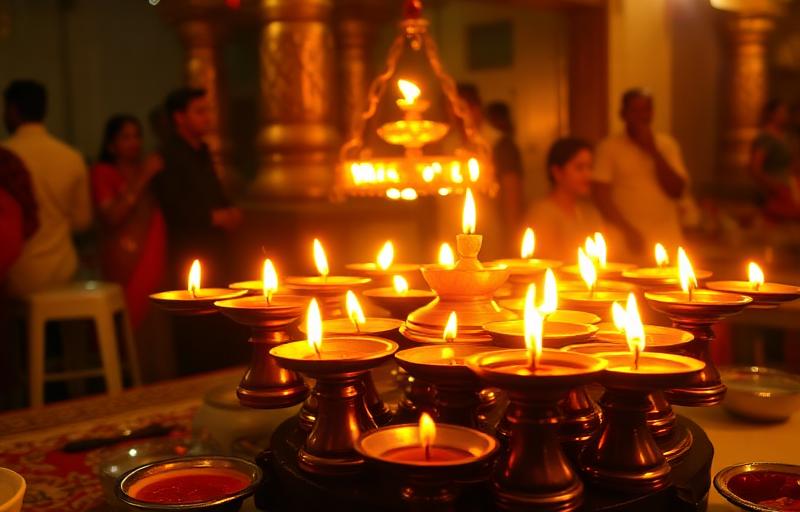
Avoid circling the lamp anti-clockwise, as aarti is always offered clockwise. Do not perform aarti with dirty hands or an unwashed lamp, and never use a broken diya or impure oil. Keep the flame steady and never blow it out with your breath; let it burn down or extinguish it gently. Finally, sing with attention rather than rushing, since aarti is an offering of love, not a formality to finish quickly.
Quick Answers
Why do we do aarti at the end of puja?+
Aarti is the loving finale of puja where we offer light to the deity, surrendering our ego and ignorance. It returns the five elements of creation to God and seals the worship with gratitude and devotion.
In which direction should aarti be circled?+
Aarti is always circled clockwise, starting from the deity's feet and moving upward over the body and face. Clockwise motion follows the auspicious flow of energy in Hindu worship.
What do the five elements in aarti mean?+
The lamp is fire, incense is air and ether, and water and flowers are water and earth. Together they represent the five elements of creation being offered back to God in gratitude.
Why do we pass our hands over the aarti flame?+
After aarti, devotees pass their palms over the flame and touch their eyes and head to receive the light as blessing. It symbolises taking in the divine energy and warmth of God's grace.
How many wicks should an aarti lamp have?+
An aarti lamp ideally has an odd number of wicks, such as one, three or five. A ghee or camphor lamp is preferred, as both are considered pure and auspicious for worship.
Can aarti be done at home daily?+
Yes. Daily aarti at the home mandir, ideally morning and evening, brings peace, gratitude and positive energy. Even a short, sincere aarti with a single lamp is a complete and uplifting practice.
About the author
Acharya Vinaya Kapoor · M.A. Sanskrit, Mantra & Stotra Studies
Acharya Vinaya holds an M.A. in Sanskrit from Banaras Hindu University and writes the mantra and stotra commentary on Vandnaa. Her focus is on accurate pronunciation, traditional context, and helping modern readers connect with classical texts.
Meet the Vandnaa editorial team →Explore on Vandnaa
Related Articles

Why We Offer Prasad (Bhog) - Significance & Meaning
8 min read
Why We Blow the Conch (Shankh) - Significance & Benefits
8 min read
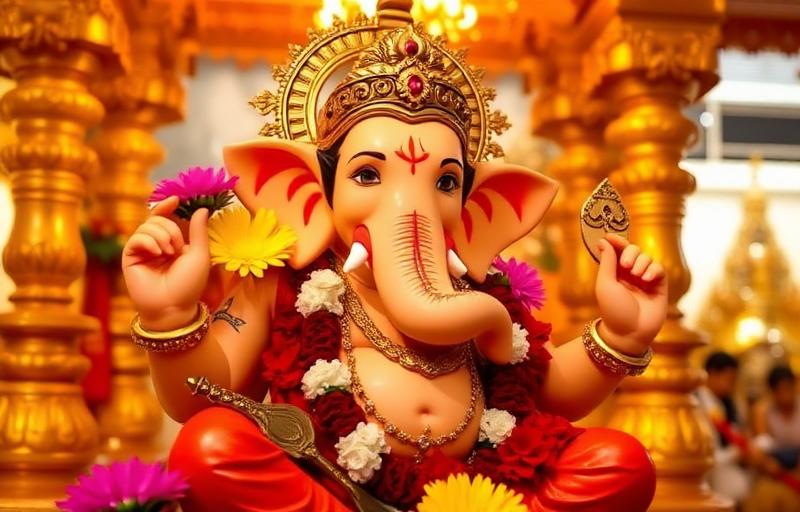
Ganesh Aarti Lyrics – Jai Ganesh Deva (गणेश आरती)
8 min read
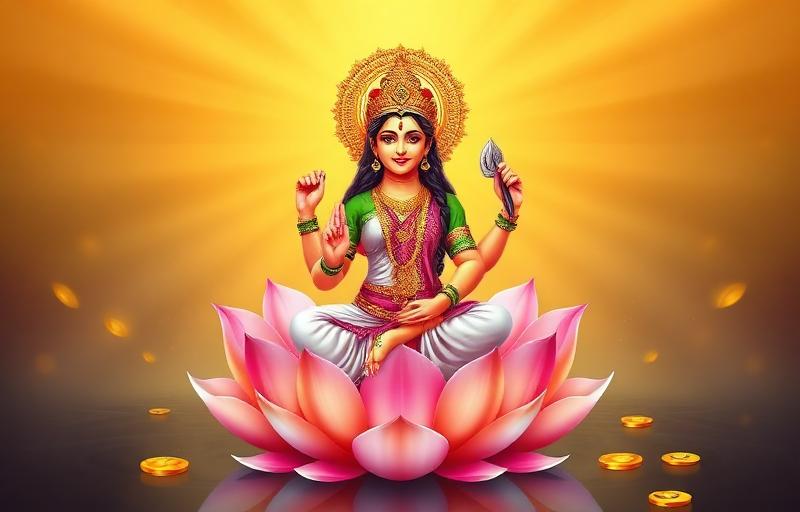
Lakshmi Aarti Lyrics – Om Jai Lakshmi Mata (लक्ष्मी आरती)
8 min read
Home Mandir Setup - Direction, Vastu Rules, Dos and Don'ts
9 min read
Panchamrit - Meaning, 5 Ingredients, Significance & Puja Vidhi
8 min read