What the Shankh Symbolises
The shankh (conch) is one of the most sacred objects in Sanatan Dharma and a symbol of purity, victory and auspiciousness. Its spiral form is believed to hold the primordial sound of creation, and its blowing announces the presence of the divine. Born of the ocean during the Samudra Manthan, the conch is held by Lord Vishnu and Goddess Lakshmi, making it a sign of prosperity, protection and the triumph of good over evil.
The Conch and the Sound of Om
When the shankh is blown, it produces a long, resonant sound believed to be the closest natural echo of Om (Aum), the primal vibration from which the universe arose. This is why the conch is sounded at the very start of worship - it sets the sacred vibration of Om in the air and the mind. The sound is said to drive away negativity, awaken devotion, and prepare the space and the worshipper to receive the divine.
Panchajanya - Vishnu's Conch
In the scriptures, the most famous conch is Panchajanya, held by Lord Krishna (Vishnu). In the Mahabharata, Krishna blew the Panchajanya to begin the Bhagavad Gita and the great war, calling devotees to dharma and courage. Each great warrior had his own conch, and its sound was a battle cry of righteousness. Thus the shankh is not only a tool of worship but a symbol of standing up for truth, much as Krishna's conch announced the start of a righteous struggle.
The Science of the Conch Sound

Blowing the shankh is a powerful breathing exercise that strengthens the lungs, throat and facial muscles, similar to pranayama. The sustained sound vibrations are believed to cleanse the surrounding air and create a calming, positive frequency in the space. Studies of sound have shown that such resonance can reduce stress and sharpen alertness. Traditionally, the conch's vibration was also thought to purify the atmosphere and discourage harmful microbes, blending devotion with wellbeing.
When and How to Blow the Conch
The shankh is blown at the start and end of puja and aarti, and during festivals and auspicious ceremonies: 1. Hold the conch cleanly, take a deep breath, and blow in one long, steady note. 2. Blow an odd number of times, ideally facing the deity. 3. Always keep the puja shankh (blown for worship) separate from the Lakshmi shankh (kept for prosperity, not blown). 4. After use, wash it, wipe it dry and place it on a clean cloth in the mandir. Note: In some traditions the conch is not blown for Lord Shiva or over a Shaligram, as Shankhachuda lore links the two; many devotees follow this restraint.
Benefits of Blowing the Shankh
Blowing the conch is believed to fill the home with positive energy, drive away negativity and invite the blessings of Lakshmi and Vishnu. Spiritually it marks the threshold between the ordinary and the sacred, focusing the mind for worship. Physically it strengthens the breath and lungs and soothes the nervous system, while the sound itself uplifts the mood of everyone who hears it. Keeping and respecting a shankh at home is seen as a magnet for prosperity and peace.
Caring for Your Conch
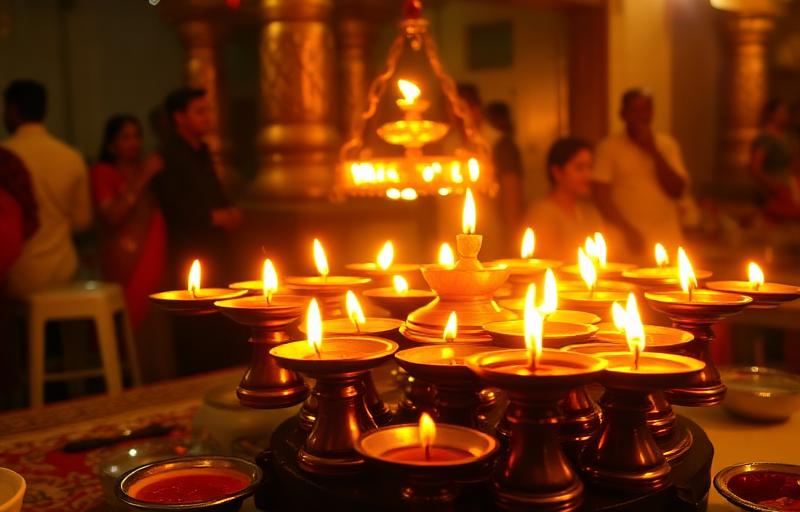
Treat the shankh as a sacred object, never letting it touch the floor or unclean hands. Wash it with clean water after use, keep it on a red or clean cloth in the mandir, and offer it the same respect you give the deities. A right-spiralled Dakshinavarti shankh is especially auspicious for prosperity and is usually kept for worship of Lakshmi rather than blown. Regular gentle cleaning preserves both its purity and its clear, resonant sound.
Frequently Asked Questions
Why do we blow the conch in Hindu worship?+
The conch is blown to set the sacred sound of Om in the air, announce the divine, drive away negativity and prepare the mind for worship. Its sound marks the start and end of puja and aarti.
What is the connection between the shankh and Om?+
The sound of the conch is considered the closest natural echo of Om, the primal vibration of creation. Blowing it fills the space with this sacred frequency and awakens devotion.
What is Panchajanya?+
Panchajanya is the conch of Lord Krishna (Vishnu). In the Mahabharata he blew it to begin the Bhagavad Gita and the great war, making it a symbol of dharma, courage and victory.
Should the conch be blown for Lord Shiva?+
In some traditions the conch is not blown in worship of Lord Shiva or over a Shaligram, based on the Shankhachuda lore. Many devotees follow this restraint, though practices vary by region.
Are there health benefits to blowing the shankh?+
Yes. Blowing the conch is a breathing exercise like pranayama that strengthens the lungs and throat, while its sound vibrations are believed to cleanse the air and calm the nervous system.
How should a shankh be kept at home?+
Keep the shankh as a sacred object on a clean or red cloth in the mandir, never on the floor. Wash it after use, and keep the puja shankh separate from a Lakshmi shankh kept for prosperity.
About the author
Anjali Mehta · Editor, M.A. Religious Studies
Anjali is the managing editor for Vandnaa and oversees the festival and vrat coverage. She holds an M.A. in Religious Studies and reviews every published article for accuracy, accessibility, and tradition-fidelity.
Meet the Vandnaa editorial team →Explore on Vandnaa
Related Articles

Why We Do Aarti - Significance & Meaning
9 min read
Namaste - Meaning & Spiritual Significance
8 min read
Vishnu Aarti Lyrics - Om Jai Jagdish Hare in Hindi & English
8 min read
Lakshmi Aarti Lyrics – Om Jai Lakshmi Mata (लक्ष्मी आरती)
8 min read
Home Mandir Setup - Direction, Vastu Rules, Dos and Don'ts
9 min read

Bhagavad Gita - All 18 Chapters Summary & Key Teachings
10 min read