What Namaste Truly Means
Namaste comes from the Sanskrit namah (I bow) and te (to you), literally meaning 'I bow to you.' But its spiritual meaning is far deeper: 'the divine in me bows to the divine in you.' It recognises that the same sacred spark, the atman, lives in every being. More than a hello, namaste is an act of reverence that honours the soul of the other person as a part of the divine. This is why it is used to greet people, elders and God alike.
The Anjali Mudra - Joined Palms at the Heart
Namaste is offered with the anjali mudra: pressing the two palms together, fingers pointing up, and holding them at the heart centre (anahata chakra), often with a slight bow of the head. Joining the two hands symbolises uniting opposites - the self and the other, action and thought - into oneness. Holding the hands at the heart rather than the head shows that the greeting flows from love and sincerity, not mere formality. The bow expresses humility and surrender of the ego.
Roots in Scripture and Tradition
The gesture of joined palms appears throughout Hindu scripture, art and temple worship as a sign of reverence to the divine. *In the Vedas and Puranas, sages and devotees greet gods and gurus with folded hands, and pranam (humble bowing) is one of the oldest forms of respect. Namaste is closely linked to namaskar*, the fuller salutation. By greeting others this way, ancient tradition turned every meeting into a small act of worship, reminding both people of the divine within.
The Science and Psychology of Namaste

Namaste is a touch-free greeting, which is naturally hygienic since it avoids physical contact and the spread of germs. Pressing the fingertips and palms together is believed to activate pressure points and create a sense of calm and focus, much like a gentle meditative gesture. Psychologically, the bow and joined hands instil humility and lower the ego on both sides, easing tension and fostering mutual respect. It is a simple gesture that settles the mind and warms the heart at once.
How to Offer Namaste Correctly
1. Bring both palms together evenly, fingers pointing upward, with no gap between them. 2. Place the joined hands gently at the centre of the chest, over the heart. 3. Bow the head slightly and, if you wish, close the eyes for a moment of sincerity. 4. Say Namaste or Namaskar softly and with warmth. 5. For elders, gurus or deities, you may raise the hands toward the forehead or bow more deeply as pranam. The key is to offer it with genuine respect, feeling the meaning rather than performing it mechanically.
The Deeper Message and Benefits
Namaste carries a quiet but powerful message: every person before you is worthy of reverence because the divine dwells in them. Practised sincerely, it dissolves arrogance, builds humility and turns ordinary interactions into moments of respect and connection. It is hygienic, peaceful and universal, which is why it is loved across the world today. Above all, namaste keeps alive the timeless truth that we are all expressions of the same divine light.
When to Use Namaste
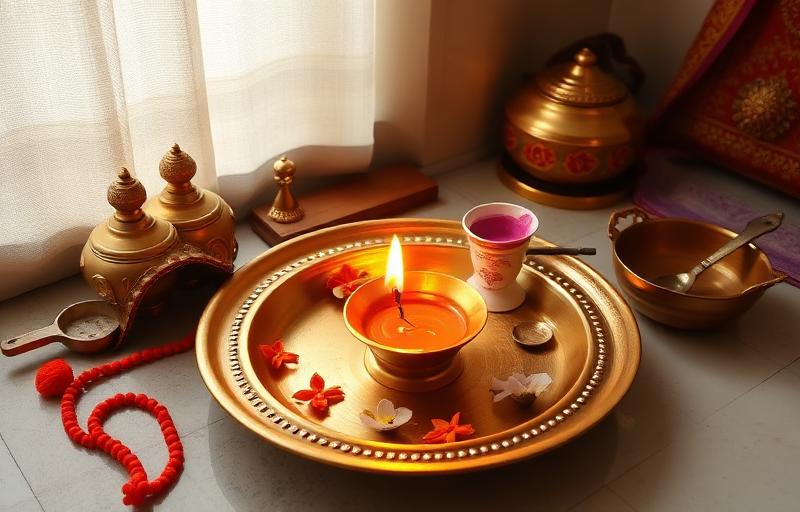
Namaste is used to greet and bid farewell to family, guests, elders and strangers alike, and to show respect before God in the temple or home mandir. It is especially fitting when meeting elders, teachers and saints, and at the start and end of prayer, yoga or any sacred activity. It can be offered from a distance, making it graceful in any setting. Whenever you wish to express respect without words, joining your palms in namaste is always appropriate.
What People Ask Most
What does namaste actually mean?+
Namaste comes from 'namah' (I bow) and 'te' (to you), literally 'I bow to you'. Spiritually it means 'the divine in me bows to the divine in you', honouring the sacred soul present in every being.
What is the anjali mudra?+
The anjali mudra is the gesture of pressing both palms together with fingers pointing up, held at the heart centre. It symbolises uniting the self with the other and offering the greeting from love and humility.
Why are the palms held at the heart for namaste?+
Holding the joined palms at the heart, the anahata chakra, shows that the greeting flows from love and sincerity rather than mere formality. It connects the gesture to the heart's centre of compassion.
Is namaste only a greeting?+
No. Namaste is a spiritual gesture of reverence that recognises the divine in another person. It is used to greet people and elders, to show respect before God, and to begin or end prayer and yoga.
Does namaste have practical benefits?+
Yes. Namaste is touch-free and hygienic, can be offered from a distance, and the joined palms and bow instil calm and humility. It eases the ego on both sides and fosters mutual respect.
What is the difference between namaste and namaskar?+
Both express respect with joined palms. Namaste is the common everyday greeting, while namaskar is often considered a fuller, more formal salutation, frequently used for elders, gurus and the divine.
About the author
Anjali Mehta · Editor, M.A. Religious Studies
Anjali is the managing editor for Vandnaa and oversees the festival and vrat coverage. She holds an M.A. in Religious Studies and reviews every published article for accuracy, accessibility, and tradition-fidelity.
Meet the Vandnaa editorial team →Explore on Vandnaa
Related Articles

Why We Blow the Conch (Shankh) - Significance & Benefits
8 min read
Why We Do Aarti - Significance & Meaning
9 min read

Gayatri Mantra Meaning, Benefits & How to Chant (गायत्री मंत्र)
12 min read

Om Namah Shivaya Mantra Benefits & Meaning (ॐ नमः शिवाय)
9 min read
Bhagavad Gita - All 18 Chapters Summary & Key Teachings
10 min read
Home Mandir Setup - Direction, Vastu Rules, Dos and Don'ts
9 min read