A Son More Dangerous Than His Father
Indrajit, born Meghanada and renamed after defeating Indra himself in an earlier campaign, is presented in the Yuddha Kanda as arguably the single most dangerous individual fighter on Ravana's side, more consistently effective in battle than Ravana himself across several engagements. He has already struck down both Lakshmana, with the Shakti weapon, and briefly incapacitated the entire army, Rama included, with the Nagapasha, binding them all in living serpents until Garuda arrives to free them.
What makes him especially dangerous, and specifically what the Rama's camp comes to fear most, is the Nikumbhila yagna, a ritual sacrifice Indrajit performs at a secret site, Nikumbhila, named for a grove sacred to a form of the goddess, which, if completed successfully and without interruption, is understood to grant him a further, decisive advantage in battle, in most tellings effective invincibility or invisibility for the duration of any fight that follows it.
Ravana and Indrajit both understand the yagna's importance, and Indrajit has already performed it, or attempted it, more than once during the war, retreating from the battlefield specifically to conduct it under conditions of ritual secrecy that make it very difficult for Rama's side to know exactly when or where it is happening.
Vibhishana's Warning and the Rules of Interruption
It is Vibhishana, Ravana's own brother who has already defected to Rama's side, who supplies the crucial intelligence: he knows Nikumbhila's exact location from his own life in Lanka, and he knows the specific rule governing the ritual, that if it is interrupted before completion, Indrajit becomes vulnerable rather than empowered, losing the protection the sacrifice would otherwise have granted him.
This creates an unusual tactical mission unlike most of the war's set-piece battles: rather than a straightforward confrontation, the goal becomes a targeted raid timed specifically to catch Indrajit mid-ritual, at his most exposed, before he can finish the chants and offerings that would make him nearly unbeatable.
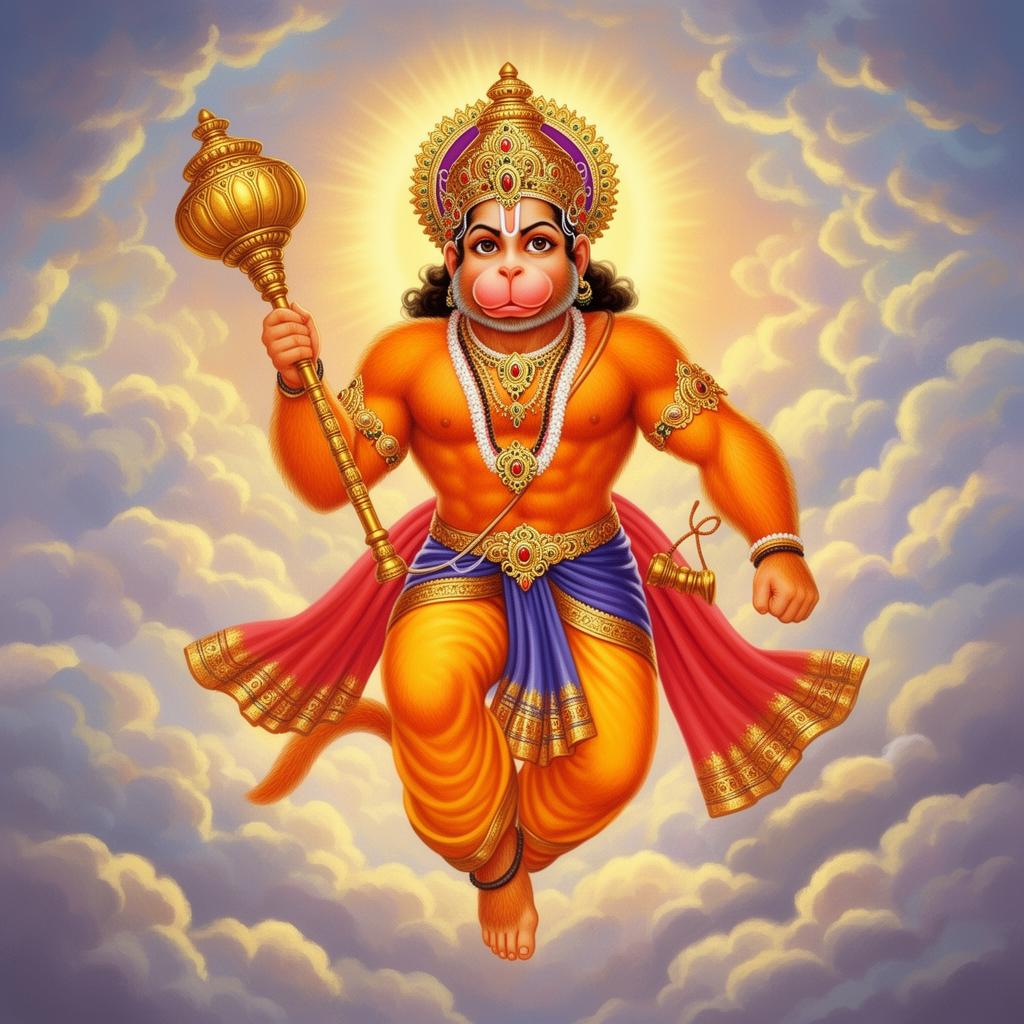
Vibhishana leads Lakshmana, still recovering his full strength after the Shakti wound and its Sanjeevani-assisted revival, along with a vanara force including Hanuman and Angada, through the forest to Nikumbhila, guided by Vibhishana's own intimate knowledge of Lanka's hidden places, itself one of the clearest demonstrations in the text of what his defection has actually cost Ravana: not just a warrior lost, but every secret Ravana's own brother knew now working against him.
The Interruption and What Followed
The raiding party reaches Nikumbhila and, following Vibhishana's guidance, disrupts the ritual before Indrajit can complete it, provoking him into open battle rather than allowing him to finish gathering the protection the sacrifice was meant to confer. Indrajit, furious at the interference and now without the advantage he had been counting on, engages Lakshmana directly.
The resulting duel is described as long and genuinely uncertain, with Indrajit using his own considerable illusion-based combat skills, disappearing and reappearing, fighting from concealment, before Lakshmana, invoking the Aindrastra weapon with focused resolve, finally kills him, ending the threat of the single most dangerous warrior Rama's side faced in the entire Lanka campaign.
Indrajit's death is treated in the text as one of the war's genuine turning points, breaking Ravana's confidence more visibly than almost any other single loss, since Indrajit had seemed, until this raid, effectively unstoppable in open battle. The episode is remembered specifically for what it establishes about the nature of dharmic warfare in the epic: that timed intelligence and a willingness to interrupt an enemy's ritual advantage before it matures is treated as legitimate strategy, not dishonourable ambush, precisely because Vibhishana's warning targets a specific rule of the ritual rather than exploiting a moment of the man's personal vulnerability.
What People Ask Most
What would have happened if Indrajit had completed the Nikumbhila yagna?+
Most tellings describe the completed ritual as granting him effective invincibility or invisibility in the battle that followed, which would have made him an extremely difficult, possibly impossible, opponent for Lakshmana or anyone else on Rama's side to defeat.
How did Vibhishana know where and when the yagna was happening?+
As Ravana's own brother who had lived in Lanka his whole life before defecting to Rama's side, Vibhishana had direct, intimate knowledge of the city's sacred and hidden sites, including Nikumbhila, and of the specific rules governing the ritual's vulnerability if interrupted.
Was interrupting a religious ritual considered dishonourable in the epic?+
The text does not treat this raid as dishonourable ambush; it is framed as legitimate strategy because it targets a known structural rule of the ritual itself, denying Indrajit a specific advantage he was actively seeking, rather than attacking him during an unrelated moment of personal defencelessness.
About the author
Anjali Mehta · Editor, M.A. Religious Studies
Anjali is the managing editor for Vandnaa and oversees the festival and vrat coverage. She holds an M.A. in Religious Studies and reviews every published article for accuracy, accessibility, and tradition-fidelity.
Meet the Vandnaa editorial team →