What Is the Jivitputrika (Jitiya) Vrat
Jivitputrika - popularly known as Jitiya or Jiutiya - is a fast that mothers keep for the long life, good health and prosperity of their children. It is one of the most demanding vrats, observed as a strict nirjala (without food and water) fast. The vrat is especially cherished in Bihar, Jharkhand, eastern Uttar Pradesh and Nepal. The deity at its heart is Jimutavahana, a noble prince whose selfless sacrifice gives the festival its name and spirit.
Tithi and Timing of Jitiya Vrat 2026
The Jivitputrika vrat is kept on Ashwin Krishna Ashtami - the eighth day of the dark fortnight of the month of Ashwin. In the Gregorian calendar this falls in the autumn months of September or October, shortly after Pitru Paksha begins and before Sharad Navratri. The fast spans three days: Nahai-Khai (bathing and eating), the main nirjala fasting day on Ashtami, and Paran (breaking the fast) the next morning. As tithi timings shift each year, please confirm the exact dates and the paran time for your city on the Vandnaa Panchang.
Significance - A Mother's Vrat for Her Children
Jitiya is a vrat of a mother's boundless love. Mothers keep the difficult nirjala fast praying for the long life, safety and well-being of their sons and daughters, and for the continuity of the family line. The vrat draws on the selfless example of Jimutavahana, who offered his own life to save another, embodying the spirit of sacrifice and protection. Through this fast, mothers symbolically take on hardship so that their children may live long and prosper.
Three Days and Fasting Rules of Jitiya

The Jitiya vrat unfolds over three days: 1. Nahai-Khai (day one): Mothers bathe, eat sattvic food and prepare body and mind for the fast; in some regions a special meal with sattu, marua roti and seasonal greens is taken. 2. Khur Jitiya / Ashtami (day two): The strict nirjala fast - no food and no water from sunrise through the day and night, observed with worship of Jimutavahana. 3. Paran (day three): The fast is broken the next morning after worship and at the prescribed time, often with traditional dishes. The nirjala fast is demanding, so pregnant or unwell women should consult their elders and keep a gentler observance, prioritising health.
Jitiya Puja Vidhi
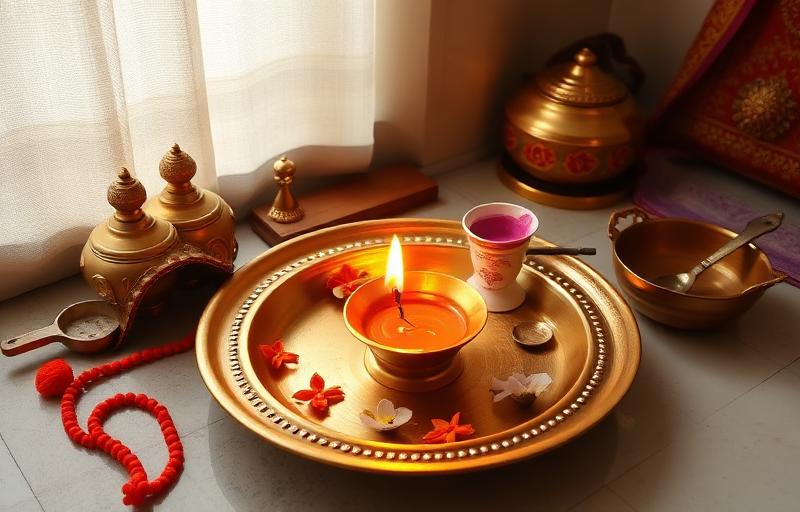
Worship Jimutavahana with devotion on Ashtami: 1. Clean the puja area and prepare a small idol or image of Jimutavahana, often made from kusha grass or clay. 2. Place it on a clean seat along with images of an eagle and a fox, the creatures linked to the katha. 3. Offer flowers, durva, sandalwood, incense, fruits and seasonal items, and light a ghee lamp. 4. Some mothers offer red thread, bangles and sarso ka tel (mustard oil) as part of regional custom. 5. Listen to or read the Jivitputrika vrat katha with full attention. 6. Pray for the long life and welfare of the children, then perform the aarti. Mothers often gather to keep the fast together and share the katha as a community.
The Jimutavahana Vrat Katha
The katha tells of Jimutavahana, a kind and selfless prince of the Gandharvas. He once found a grieving mother of the Nagas (serpents) whose son was about to be offered as the daily prey to Garuda, the mighty eagle. Moved by her sorrow, Jimutavahana offered his own body in the son's place. Garuda, struck by such selfless courage, repented his violence and granted life back to all the serpents he had taken. A parallel tale describes an eagle (chil) and a fox (siyarin) who kept this vrat - the devout eagle's children prospered, while the careless fox's did not. The katha celebrates sacrifice, devotion and the protective power of a mother's vrat.
Benefits of the Jitiya Vrat
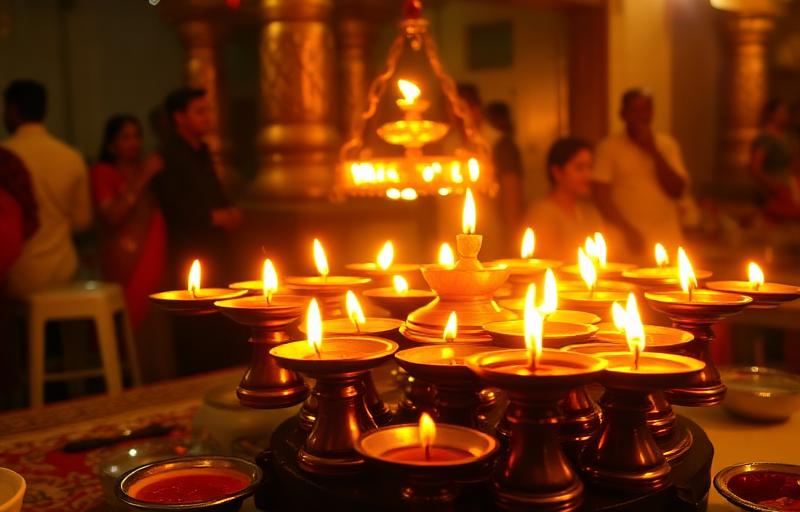
Mothers believe that keeping the Jitiya vrat with faith blesses their children with long life, good health, safety from harm and a prosperous future. The fast is also seen to strengthen the bond between mother and child and to safeguard the continuity and well-being of the whole family. Beyond its blessings, the vrat is a profound expression of maternal love, sacrifice and devotion that families hold sacred across generations.
Quick Answers
When is the Jitiya vrat in 2026?+
The Jivitputrika (Jitiya) vrat is kept on Ashwin Krishna Ashtami, the eighth day of the dark half of Ashwin, in the autumn months of September or October. Confirm the exact dates and paran time on the Vandnaa Panchang.
Who keeps the Jivitputrika vrat and why?+
Mothers keep this vrat for the long life, health and prosperity of their children. It is a fast of maternal love, drawing on the selfless sacrifice of the prince Jimutavahana.
Is the Jitiya fast really nirjala?+
Yes. The main fasting day on Ashtami is observed nirjala, without food or water from sunrise through the day and night. Pregnant or unwell women should consult elders and keep a gentler observance for health.
What are the three days of the Jitiya vrat?+
The three days are Nahai-Khai (bathing and eating), the main nirjala fasting day on Ashtami, and Paran (breaking the fast) the next morning at the prescribed time after worship.
Who is Jimutavahana?+
Jimutavahana is a noble and selfless Gandharva prince who offered his own life to save a Naga youth from being prey to Garuda. His sacrifice gives the Jivitputrika vrat its name and spirit.
What is offered during Jitiya puja?+
Devotees worship an idol of Jimutavahana made of kusha grass or clay, with images of an eagle and a fox, offering flowers, durva, fruits and a ghee lamp, and listen to the vrat katha.
About the author
Pandit Mahesh Trivedi · Festival Traditions & Panchang
Pandit Mahesh leads the festival-date and Panchang content on Vandnaa. He cross-references multiple regional panchangs (Drik, Vaishnava, Bengali, Marathi) for every festival date published on the site.
Meet the Vandnaa editorial team →Explore on Vandnaa
Related Articles
Hariyali Teej 2026 - Vrat, Katha, Puja Vidhi & Significance
9 min read
Rishi Panchami 2026 - Vrat, Katha & Sapta Rishi Puja Vidhi
8 min read
Gopashtami 2026 - Gau (Cow) Puja, Krishna Vidhi & Significance
8 min read
Sharad Navratri 2026: 9 Days Colors, Puja Vidhi, Vrat Rules & Kanya Pujan Guide
10 min read
Santoshi Mata Vrat: 16-Friday Fast - Rules, Katha, Aarti & Udyapan
9 min read
Durga Aarti Lyrics – Ambe Tu Hai Jagdambe Kali (दुर्गा आरती)
8 min read