Kanchipuram: The City of a Thousand Temples
Kanchipuram in Tamil Nadu is one of India's oldest temple cities, honoured across traditions as one of the seven sacred cities (Sapta Puri) that grant moksha. Within its boundaries stand three temples of extraordinary importance, each devoted to one aspect of the divine: Ekambareswarar for Lord Shiva, Kamakshi Amman for the Goddess, and Varadaraja Perumal for Lord Vishnu.
Few cities in India offer devotees the chance to complete darshan of Shiva, Shakti and Vishnu within such close reach of one another, and this rare completeness is part of why Kanchipuram has long been regarded as sacred ground.
Three Legends, One Sacred City
At Ekambareswarar, tradition holds that Goddess Parvati once worshipped a Shiva lingam fashioned from the earth (prithvi) itself beneath a mango tree, giving this temple its place among the Pancha Bhoota Sthalams as the site of the earth element. The temple is known for an ancient mango tree in its courtyard, said to be a descendant of the very tree from that legend.
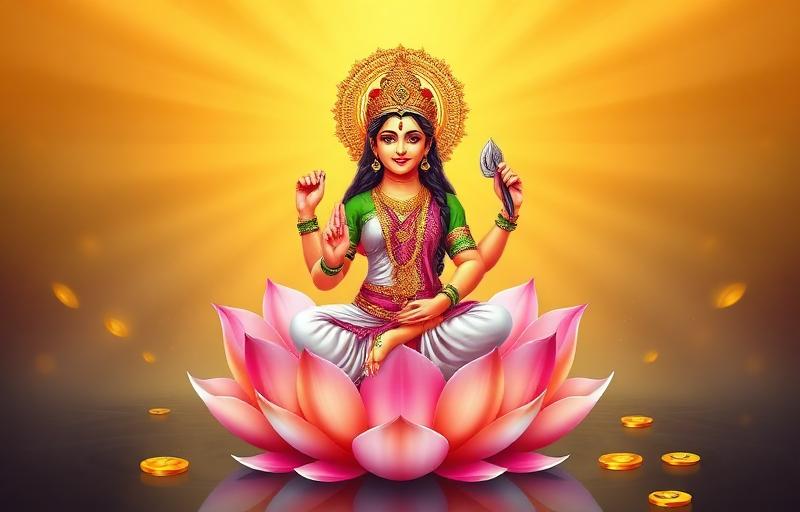
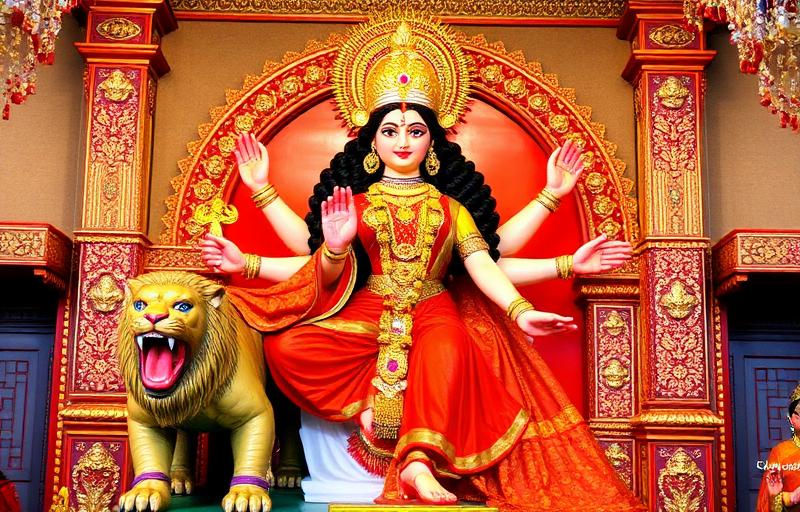
At Kamakshi Amman, the goddess is worshipped as a form of Adi Shakti, and the temple is revered as one of the major Shakti Peethas, with a long-standing connection to Adi Shankaracharya, who is believed to have installed the Sri Chakra here to calm the goddess's power. At Varadaraja Perumal, Lord Vishnu is worshipped as Varadaraja, granter of boons, and the temple is celebrated for the once-in-forty-years appearance of the sacred Athi Varadar deity, an event that draws enormous crowds of devotees when it occurs.
Why Kanchipuram's Three Temples Matter to Devotees Today
Devotees who visit Kanchipuram often speak of completing a rare, balanced darshan, one that honours all three central aspects of the divine in a single pilgrimage.
- Devotees pray at Ekambareswarar for grounding and stability, drawing on its connection to the earth element
- Kamakshi Amman is approached for the goddess's protective and nurturing grace, especially by families and women seeking her blessings
- Varadaraja Perumal is visited for boons and the fulfilment of sincere wishes, with special reverence during the rare Athi Varadar event
- Together, the three temples reflect Kanchipuram's unique place as a city where Shaivism, Shaktism and Vaishnavism have coexisted in devotion for centuries
Darshan Guide: Visiting All Three Temples
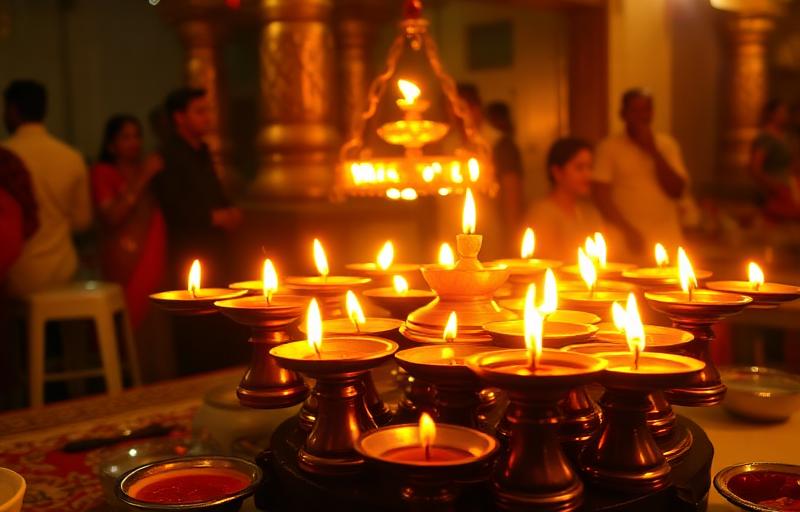
All three temples are generally open from early morning until night, with a customary midday closing as is typical of South Indian temples, though timings can vary slightly between them. Most pilgrims plan a full day in Kanchipuram to visit all three, often beginning with Ekambareswarar, moving to Kamakshi Amman, and closing with Varadaraja Perumal.
Maha Shivaratri, Navratri and Vaikunta Ekadashi are considered especially significant at the respective temples, while the rare Athi Varadar appearance at Varadaraja Perumal draws devotees from across the country when it takes place.
How to Reach Kanchipuram's Temples
Kanchipuram is well connected by road and rail, roughly a two-hour drive from Chennai, which also has the nearest major airport. The town's railway station links it to the wider Tamil Nadu rail network, and all three temples lie within easy reach of each other by local transport within the town.
A Simple Prayer and the Takeaway
Devotees visiting Kanchipuram's temples often chant Om Namah Shivaya at Ekambareswarar, Om Kamakshai Namah at Kamakshi Amman, and Om Namo Narayanaya at Varadaraja Perumal.
Kanchipuram reminds devotees that Shiva, Shakti and Vishnu are not rival paths but different faces of the same devotion, each deserving of equal reverence. Worship at such shrines is an act of faith and love, not a transaction.
What People Ask Most
Why is Kanchipuram called the City of a Thousand Temples?+
Kanchipuram earned this name because of the sheer number of temples within it, with Ekambareswarar, Kamakshi Amman and Varadaraja Perumal standing as its three most significant shrines.
What is the Athi Varadar event at Varadaraja Perumal?+
Athi Varadar refers to a sacred wood image of Lord Vishnu that is usually kept submerged in the temple tank and brought out for public darshan only once every forty years, drawing enormous crowds when it occurs.
Can all three Kanchipuram temples be visited in one day?+
Yes, most pilgrims plan a single day to visit Ekambareswarar, Kamakshi Amman and Varadaraja Perumal together, as all three lie within easy reach of one another in the town.
About the author
Pandit Ravindra Sharma · Vedic Rituals & Bhakti, 22+ years
Pandit Ravindra is the Vandnaa editorial team's resident specialist on aarti, chalisa, and daily devotion. He has performed home and temple pujas across Varanasi and Delhi for over two decades and contributes the bhakti-focused articles on this site.
Meet the Vandnaa editorial team →