The Kamakshi Temple & the Temple City
The Kamakshi Amman Temple stands in Kanchipuram, one of the seven sacred Moksha-giving cities (Sapta Puri) of India and famed as a great temple city in Tamil Nadu. It is dedicated to Goddess Kamakshi, a benevolent and beautiful form of Goddess Parvati (Devi/Shakti).
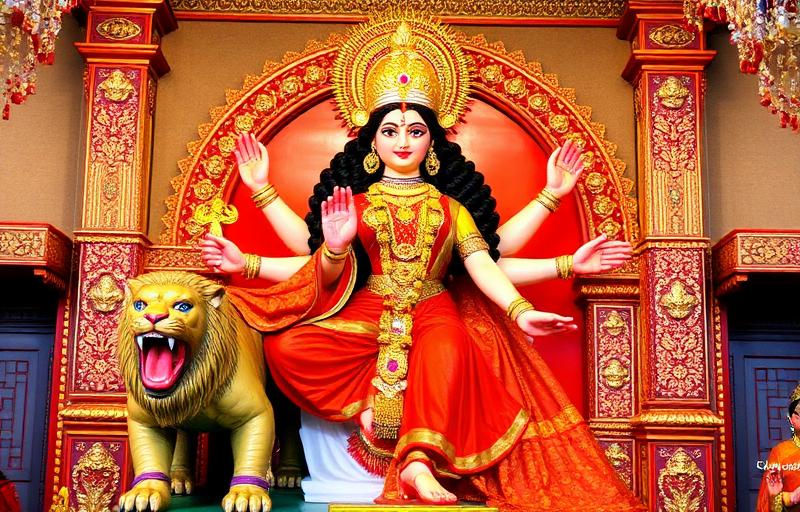
Kamakshi means 'the one whose eyes fulfil all wishes' or 'the goddess with loving eyes' (kama = wish/love, akshi = eyes). She is worshipped here in a serene, seated posture, radiating grace and compassion. The temple is one of the most important Shakti shrines in South India and is deeply associated with Adi Shankaracharya, who is said to have established the Sri Chakra here and is connected with the Kanchi Kamakoti Peetham. Kanchipuram itself, honoured as a city of both Shiva and Vishnu temples and of Devi, is a place saturated with devotion and sacred history.
Significance of Goddess Kamakshi
Goddess Kamakshi holds a place of great reverence:
- A supreme Shakti seat: Kanchipuram is honoured as one of the principal seats of the Divine Mother, and Kamakshi is worshipped as the presiding form of Shakti for the region, radiating universal motherly grace.
- The compassionate mother: With her gentle, all-fulfilling gaze, Kamakshi is beloved as a mother who blesses devotees with well-being, wisdom, prosperity and inner peace.
- The Sri Chakra tradition: By tradition Adi Shankaracharya installed the Sri Chakra before the goddess to channel her fierce grace into serene benevolence, and daily worship of the Sri Chakra continues here.
- Devi in seated, meditative form: Unlike some fierce forms, Kamakshi is worshipped in a calm, seated, meditative posture (Padmasana), symbolising peace, poise and grace.
- Link to Lalita and Tripura Sundari: Kamakshi is closely associated with the supreme goddess Lalita Tripura Sundari, adding to her exalted status.
Thus Kamakshi is honoured as the compassionate, wish-fulfilling Divine Mother, drawing devotees seeking her grace and blessings. These are matters of sacred tradition.
Darshan & Visiting Kanchipuram
For pilgrims visiting the Kamakshi Temple:
- Location: Kanchipuram is in northern Tamil Nadu, well connected by road and rail, and easily reachable from Chennai (about two hours away).
- Main darshan: Devotees come to behold Goddess Kamakshi in her serene seated form and to receive her blessings in the beautiful, historic temple with its golden Vimana over the sanctum.
- Sri Chakra worship: Witnessing the daily worship of the Sri Chakra before the goddess is considered especially auspicious.
- Festivals: Navratri, Fridays, and special Devi festivals see grand celebrations, with the goddess adorned and taken in procession.
- The wider temple city: Pilgrims often also visit Kanchipuram's other famous temples, including those of Ekambareswarar (Shiva, the earth element) and Varadaraja Perumal (Vishnu), making it a rich pilgrimage.
- Reverence: Dress modestly, follow the temple customs, maintain cleanliness and silence, and approach with a devoted heart.
Confirm timings and any special darshan arrangements locally before your visit.
Frequently Asked Questions
Who is Goddess Kamakshi of Kanchipuram?+
Kamakshi is a benevolent, beautiful form of Goddess Parvati (Shakti), worshipped in Kanchipuram in a serene seated posture. Her name means 'the one whose eyes fulfil all wishes'. She is a supreme Shakti seat of South India, closely associated with Adi Shankaracharya and the goddess Lalita Tripura Sundari.
What is the connection of Adi Shankaracharya with the temple?+
By tradition, Adi Shankaracharya installed the Sri Chakra before Goddess Kamakshi to channel her fierce grace into serene benevolence, and daily Sri Chakra worship continues here. The temple is also connected with the Kanchi Kamakoti Peetham associated with the Shankaracharya tradition.
What else can pilgrims see in Kanchipuram?+
Kanchipuram is a great temple city and one of the seven Moksha-giving cities. Besides the Kamakshi Temple, pilgrims often visit the Ekambareswarar Temple (Shiva, representing the earth element) and the Varadaraja Perumal Temple (Vishnu), making it a rich and complete pilgrimage.
About the author
Pandit Ravindra Sharma · Vedic Rituals & Bhakti, 22+ years
Pandit Ravindra is the Vandnaa editorial team's resident specialist on aarti, chalisa, and daily devotion. He has performed home and temple pujas across Varanasi and Delhi for over two decades and contributes the bhakti-focused articles on this site.
Meet the Vandnaa editorial team →