What Is the Kashi Vishwanath Ashtakam?
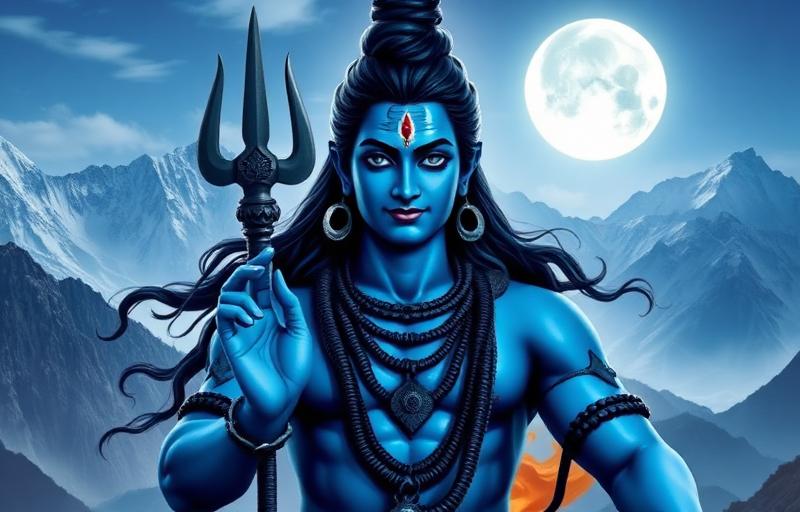
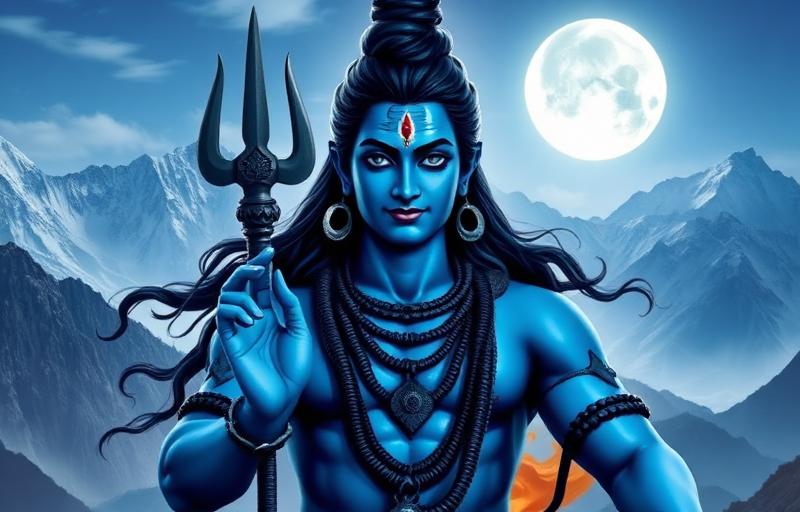
The Kashi Vishwanath Ashtakam is an eight-verse hymn praising Lord Shiva as Vishwanatha - the lord of the universe - worshipped at the sacred Kashi Vishwanath temple in Kashi (Varanasi), one of the twelve Jyotirlingas and the holiest city of Shaivism.
Kashi is revered as the eternal city of Shiva, where liberation (moksha) is said to be granted to those who leave their body in its embrace. This Ashtakam pours out love for the Lord who presides over this luminous city on the banks of the Ganga, each verse closing with a salutation to Kashipuradhinatha - the lord of the city of Kashi.
The Opening Verse & Its Meaning
Sanskrit: गङ्गातरङ्गरमणीयजटाकलापं गौरीनिरन्तरविभूषितवामभागम्। नारायणप्रियमनङ्गमदापहारं वाराणसीपुरपतिं भज विश्वनाथम्॥
Transliteration: Ganga taranga ramaniya jata kalapam Gauri nirantara vibhushita vama bhagam Narayana priyam anangamadapaharam Varanasi purapatim bhaja vishwanatham
Meaning: Worship Vishwanatha, the lord of the city of Varanasi - whose matted locks are made lovely by the waves of the Ganga, whose left side is forever adorned by Gauri (Parvati), who is dear to Narayana (Vishnu), and who destroyed the pride of Kamadeva (the god of desire). The verse paints Shiva in his beauty and majesty as the ruler of the sacred city.
The Spirit of the Hymn
Each verse of the Ashtakam describes Shiva and ends with the refrain Varanasi purapatim bhaja Vishwanatham - 'worship Vishwanatha, the lord of Varanasi'. The hymn unfolds his many forms:
- The one with the Ganga in his hair and Gauri at his side.
- The three-eyed Lord wearing the crescent moon, smeared with sacred ash.
- The destroyer of the three cities and slayer of fear and death.
- The compassionate giver of liberation to all who dwell in or remember Kashi.
- The Lord beyond the gunas, served by gods, sages and serpents alike.
The repeated call to worship Vishwanatha turns the whole hymn into an invitation - to fix the mind on Shiva of Kashi and let that remembrance purify the heart.
Benefits of Reciting It
Reciting the Kashi Vishwanath Ashtakam with devotion is believed to bring:
- The grace of Lord Vishwanatha, especially for those unable to travel to Kashi.
- Purification of the mind and freedom from sins and faults.
- Peace, courage and protection in daily life.
- A turning of the heart toward liberation (moksha), the special gift of Kashi.
The final phala-shruti verse of the Ashtakam itself promises that one who recites this hymn attains the blessings of Vishwanatha. How to recite: After a bath, sit before a Shivling or an image of Kashi Vishwanath, light a lamp, offer bilva leaves and water, and chant the eight verses with a calm, devoted heart - especially on Mondays, Pradosh and Maha Shivratri.
Frequently Asked Questions
What does 'Ganga taranga ramaniya' mean?+
It means 'made lovely by the waves of the Ganga' and describes Shiva's matted locks, which hold and are beautified by the river Ganga. It is the famous opening phrase of the Kashi Vishwanath Ashtakam.
Who is Vishwanatha?+
Vishwanatha means 'lord of the universe' and is the form of Lord Shiva worshipped at the Kashi Vishwanath temple in Varanasi (Kashi). The shrine is one of the twelve Jyotirlingas and the foremost holy place of Shiva worship.
Why is Kashi so important in Shiva worship?+
Kashi (Varanasi) is revered as the eternal city of Shiva on the banks of the Ganga, home to the Kashi Vishwanath Jyotirlinga. Tradition holds that those who leave their body in Kashi attain liberation through Shiva's grace.
Can I recite the Ashtakam if I cannot go to Kashi?+
Yes. Reciting the Kashi Vishwanath Ashtakam with devotion at home is itself a way of offering prayers to Vishwanatha. Many devotees recite it daily or on Mondays to receive the Lord's grace without travelling.
About the author
Acharya Vinaya Kapoor · M.A. Sanskrit, Mantra & Stotra Studies
Acharya Vinaya holds an M.A. in Sanskrit from Banaras Hindu University and writes the mantra and stotra commentary on Vandnaa. Her focus is on accurate pronunciation, traditional context, and helping modern readers connect with classical texts.
Meet the Vandnaa editorial team →