What is Losar and When is it Celebrated
Losar is the New Year festival of India's high Himalayan regions, celebrated across Sikkim, Ladakh, parts of Arunachal Pradesh, the Darjeeling and Kalimpong hills, and the Lahaul-Spiti and Kinnaur valleys of Himachal Pradesh. It follows the Tibetan lunar calendar and generally falls in the late winter months of February or March, marking the turn of the year in these high-altitude communities.
Much like other regional New Year festivals across India, from Bihu in Assam to Baisakhi in Punjab, Losar is a time of renewal, family gathering and gratitude, observed with particular warmth in villages where Hindu and Buddhist communities have lived side by side for generations.
How Losar is Marked
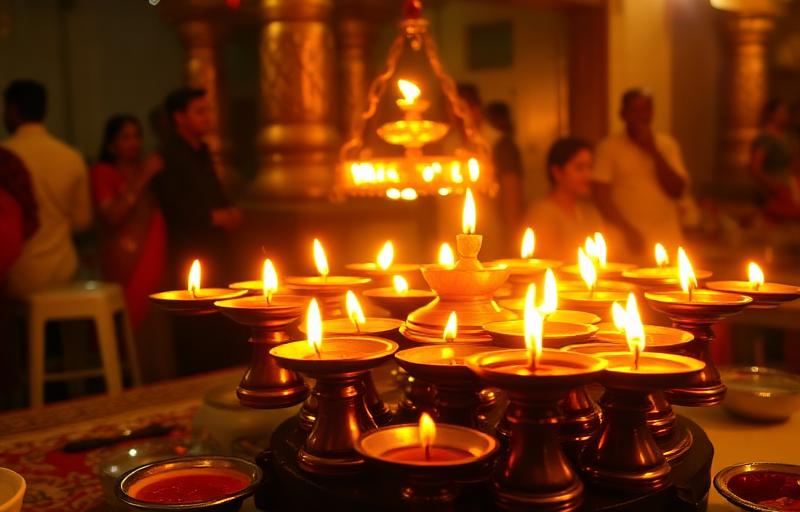
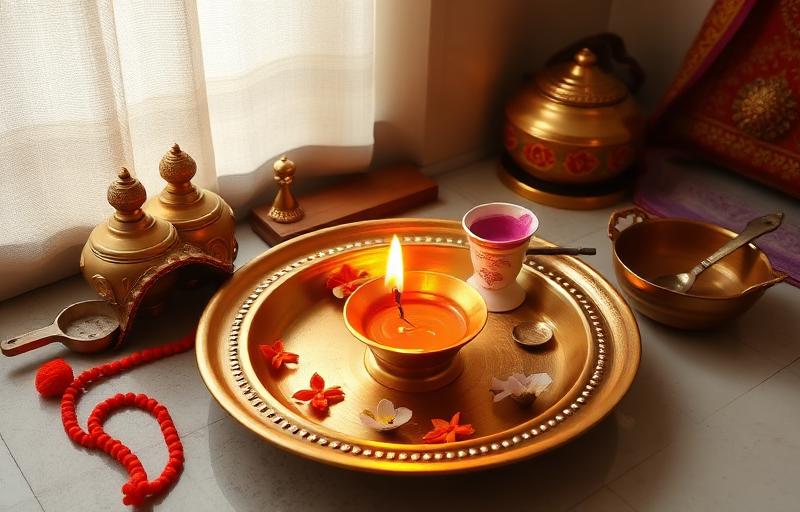
Losar celebrations typically begin with a thorough cleaning of homes to sweep away the misfortunes of the past year, followed by the lighting of butter lamps and the preparation of special foods shared among family and neighbours. Monasteries hold prayers and traditional dances, while households display fresh offerings on their altars.
Families dress in their finest traditional clothes, visit relatives, and exchange greetings much as Hindu households do during Diwali or regional New Year festivals, with an emphasis on starting the year with cleanliness, generosity and good intention.
- Thorough home cleaning before the new year begins
- Lighting of butter lamps and fresh altar offerings
- Monastery prayers and traditional dances
- Family visits and exchange of new year greetings
Losar Across India's Himalayan Communities
Each region observes Losar a little differently. In Ladakh, some communities begin celebrations slightly earlier than the main Tibetan calendar date, a local variation with its own long history. In Sikkim, Losar coincides with celebrations of the Lepcha and Bhutia calendars, while in Arunachal's Buddhist-majority districts like Tawang, it becomes a major community festival drawing visitors from across the region.
For Hindu residents and visitors to these regions, Losar offers a window into the same devotional spirit found in their own traditions, that a new year is best begun with gratitude, cleanliness and the blessings of family and community.
The Shared Spirit of Renewal
Losar, like Bihu, Baisakhi, Ugadi and Puthandu, belongs to a larger family of Indian New Year festivals that mark the passage of time not with a single, uniform date, but with the rhythms of each region's calendar, climate and community. What unites them all is a common devotional impulse: to pause, give thanks, and begin again with hope.
For devotees anywhere in India, Losar is a gentle reminder that faith across the country's many traditions often points toward the same simple truths, gratitude for the year that has passed and humility in welcoming the year to come.
Quick Answers
When is Losar celebrated?+
Losar falls in late winter, usually February or March, following the Tibetan lunar calendar, and marks the new year across India's high Himalayan regions.
Which Indian regions celebrate Losar?+
Losar is celebrated in Sikkim, Ladakh, parts of Arunachal Pradesh, the Darjeeling and Kalimpong hills, and the Lahaul-Spiti and Kinnaur valleys of Himachal Pradesh.
What does Losar have in common with Hindu New Year festivals?+
Like Bihu, Baisakhi and Ugadi, Losar marks the new year with home cleaning, family gatherings and gratitude, reflecting a shared spirit of renewal found across India's regional calendars.
About the author
Pandit Mahesh Trivedi · Festival Traditions & Panchang
Pandit Mahesh leads the festival-date and Panchang content on Vandnaa. He cross-references multiple regional panchangs (Drik, Vaishnava, Bengali, Marathi) for every festival date published on the site.
Meet the Vandnaa editorial team →