Who Maa Dewri Is
Maa Dewri, worshipped at the Dewri Mandir near Tamar in Ranchi district, about sixty kilometres from Ranchi on the road to Jamshedpur, is one of Jharkhand's most visited Devi shrines.
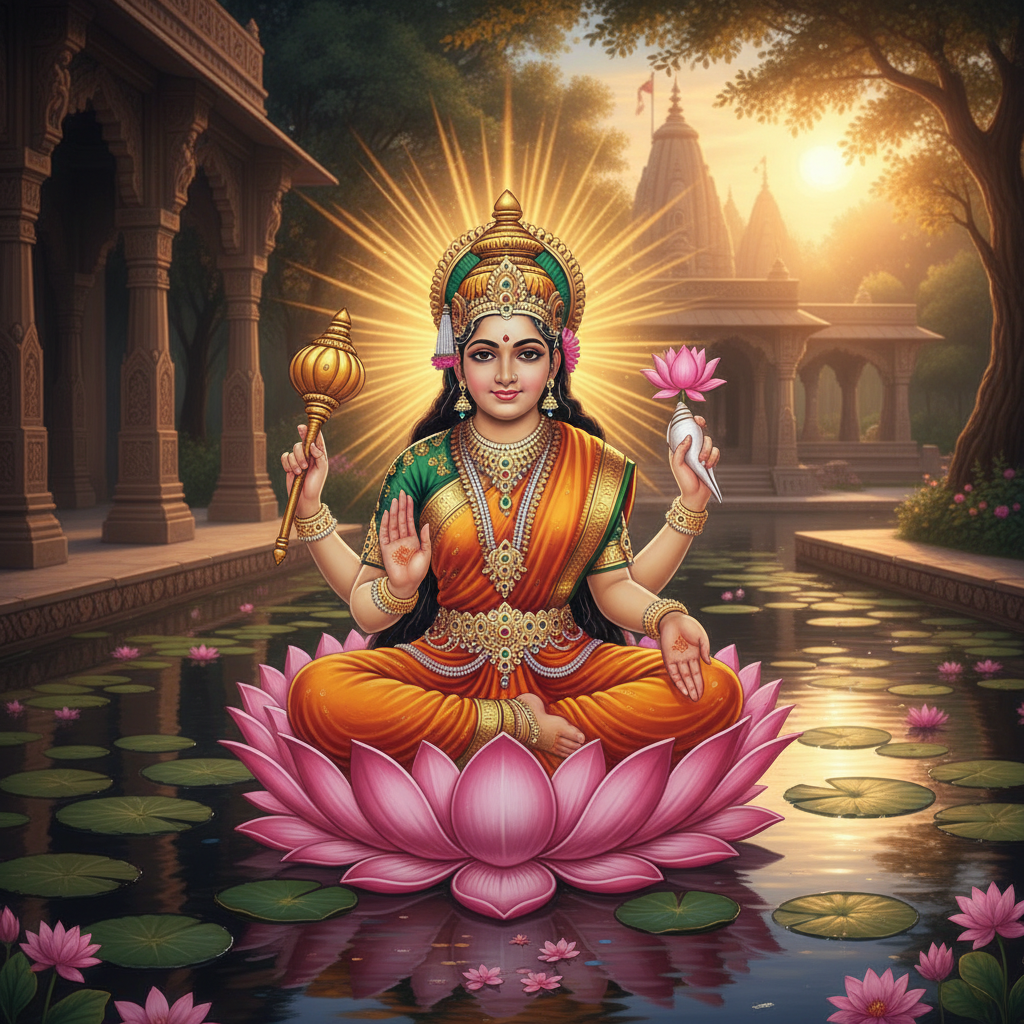
The goddess here is worshipped in a sixteen armed form, which is unusual. Most Devi murtis in the region show four, eight or ten arms. Sixteen arms place her among the fuller expressions of Shakti, and devotees identify her variously as a form of Durga and as the Devi in her complete protective aspect.
What draws people from across Jharkhand, Bengal and Odisha is not only the form but the shrine's reputation for answering specific requests. Devotees come with vows about examinations, employment, illness, court matters and family difficulties, and the number of red flags and bells left behind records how many believe those vows were fulfilled.
The temple is small compared to the state's better known pilgrimage sites, and the surrounding area is rural and forested. Its scale is part of its character. This is not a large complex with queues managed by counters, but a working village shrine that receives a very large number of visitors.
How Devotees Worship Here
Worship at Dewri Mandir is simple and vow driven.
- Red chunri, sindoor and bangles are the standard Devi offerings and are sold at stalls outside
- Coconut, batasha, sweets and incense make up the usual prasad
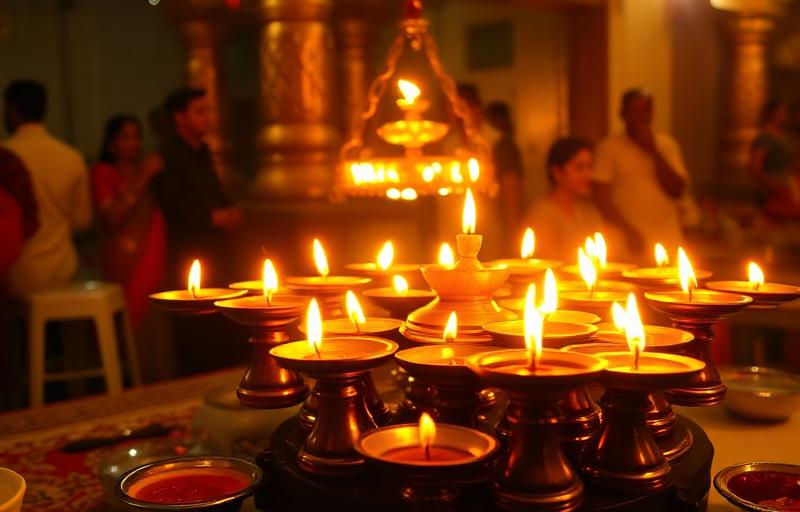
- Ghee or oil lamps are lit at the shrine and in the courtyard
- Bells and red flags are offered when a vow is fulfilled, and the accumulation of both around the temple is striking
- Mundan ceremonies are performed here by families who vowed a child's first haircut to the Devi
Tuesday and Saturday are the main days of the week, and the temple is busiest then. The largest crowds of the year come during Chaitra and Ashwin Navratri, when the shrine and the road leading to it are full through the nine days.
As at many old Devi shrines in eastern India, animal offerings were part of older practice in the region. Practice at this shrine and in the wider area has shifted substantially, and the standard offering brought by the great majority of visiting devotees today is coconut, sweets, chunri and flowers.
Maa Dewri in Jharkhand's Devotional Map
Jharkhand's devotional landscape has three distinct layers that sit side by side.
- The pan Hindu pilgrimage layer - Baba Baidyanath Dham at Deoghar, one of the twelve Jyotirlingas, which draws lakhs of kanwariyas during Sawan through the Shravani Mela
- The Shakta layer - Chhinnamastika at Rajrappa, one of the most striking Mahavidya shrines in India, along with Dewri, Maa Dewri's neighbours in Ranchi district, and the Devi shrines at Deoghar and Dumka
- The Adivasi layer - the sarna sthal, the sacred groves of the Munda, Ho, Santhal and Oraon communities, with their own priesthood, festivals and worship that stand as distinct traditions of their own
Dewri Mandir is interesting precisely because it sits where the second and third layers meet, sharing worship between a Brahmin priest and a Pahan without either tradition claiming exclusive right.
For devotees planning a Jharkhand trip, Ranchi makes a natural base. Dewri Mandir at Tamar, Rajrappa about eighty kilometres away, the Jagannath temple and Pahari Mandir in Ranchi itself, and the Sun Temple on the Tata road can be covered across two unhurried days.
The Vow Culture Around the Temple
Much of what happens at Dewri Mandir is organised around the mannat, the vow.
The pattern is consistent and easy to recognise for anyone who has visited a busy regional Devi shrine:
- A devotee comes with a specific request and states it at the shrine, often tying a red thread or a small cloth as a marker
- A promise is made about what will follow if the request is granted - a bell, a flag, a chunri, a mundan, a bhandara or a repeat visit on a fixed day
- When the matter resolves, the devotee returns to complete the promise, and the marker is untied
- The physical accumulation of bells, flags and threads becomes the temple's visible record
What devotees ask for here reflects the region and the times: government examinations and recruitment results, jobs for young people, safe travel for family members working in other states, recovery from illness, and property or court matters.
One instruction repeated by families who have kept vows here is worth passing on. Promise something you can complete without difficulty. A vow that becomes a burden is treated in local devotion as a mistake in the asking rather than as a debt to the Devi.
Planning Darshan at Dewri Mandir
The temple is an easy half day trip from Ranchi and is straightforward to reach.
- Location - near Tamar, about sixty kilometres from Ranchi on the Ranchi to Jamshedpur road, roughly an hour and a half by car
- Best time - weekday mornings for a quiet darshan. Tuesdays, Saturdays and Navratri are the busiest.
- Timings - the temple follows morning and evening worship hours, with a break in the afternoon. Reach well before closing, since the road is rural and travelling after dark is best avoided.
- What to carry - chunri, sindoor, coconut, sweets and flowers, all available at stalls outside
- Facilities - basic. Small shops and eateries near the temple, limited parking on festival days.
- Nearby - Rajrappa Chhinnamastika temple, Ranchi's Pahari Mandir and Jagannath temple, and Dassam and Hundru falls if travelling in the season
A suggestion for those interested in the tradition rather than only darshan: go on a weekday morning when both priests are performing worship, stand back and watch the full cycle rather than moving through quickly. The shared priesthood is the reason this temple is worth a specific visit, and it is easy to miss in a crowd.
What People Ask Most
Where is the Maa Dewri temple?+
Near Tamar in Ranchi district, Jharkhand, about sixty kilometres from Ranchi on the road to Jamshedpur. It takes roughly an hour and a half by car.
What is special about the Dewri Mandir priesthood?+
Worship is performed by both a Pahan, the traditional priest of the Munda community, and a Brahmin priest at the same shrine. It is one of the clearest living examples in eastern India of two devotional systems sharing a deity.
In what form is Maa Dewri worshipped?+
She is worshipped in a sixteen armed form, which is unusual for the region where most Devi murtis show four, eight or ten arms. Devotees identify her as a form of Durga in her complete protective aspect.
Which days are best for darshan?+
Tuesday and Saturday are the main worship days and are busiest, along with Chaitra and Ashwin Navratri. Weekday mornings outside these periods are the calmest time to visit.
What is offered to Maa Dewri?+
Red chunri, sindoor, bangles, coconut, sweets, incense and lamps. When a vow is fulfilled devotees offer bells and red flags, and families often perform a child's mundan at the temple.
What else can be visited nearby?+
Rajrappa Chhinnamastika temple, Ranchi's Pahari Mandir and Jagannath temple, and the Dassam and Hundru falls in season. Ranchi makes a convenient base for covering these over two days.
About the author
Pandit Ravindra Sharma · Vedic Rituals & Bhakti, 22+ years
Pandit Ravindra is the Vandnaa editorial team's resident specialist on aarti, chalisa, and daily devotion. He has performed home and temple pujas across Varanasi and Delhi for over two decades and contributes the bhakti-focused articles on this site.
Meet the Vandnaa editorial team →