What Is the Madhurashtakam
The Madhurashtakam is a short, melodious hymn of *eight verses (ashtakam) composed by the great saint Sri Vallabhacharya, founder of the Pushtimarg tradition of Krishna devotion. Madhura means sweet, and the entire hymn celebrates the boundless sweetness of Lord Krishna. Every verse ends with the word madhuram*, repeated to declare that everything about the Lord - his form, words, play and even his world - is pure honey-like sweetness.
Origin and the Saint Vallabhacharya
Sri Vallabhacharya (15th-16th century) was a revered acharya and devotee of Shrinathji, the child form of Krishna worshipped at Nathdwara. Lost in love for the Lord, he poured his devotion into the Madhurashtakam, seeing every aspect of Krishna as madhuram. The hymn is central to the Pushtimarg path of bhakti and is sung daily in Krishna temples and homes, especially during Janmashtami and at the time of darshan.
Opening Verse - Transliteration and Devanagari
The most famous opening verse declares the sweetness of every feature of Krishna:
Adharam madhuram vadanam madhuram nayanam madhuram hasitam madhuram. Hridayam madhuram gamanam madhuram madhuradhipater akhilam madhuram.
This means: 'Sweet are his lips, sweet his face, sweet his eyes, sweet his smile, sweet his heart, sweet his gait - everything about the Lord of sweetness is sweet.' Each of the eight verses follows this same flowing pattern.
Meaning and Spirit of the Hymn

The Madhurashtakam is *pure loving devotion (madhura bhakti). Each verse picks Krishna's features and actions - his flute, his ornaments, his dance, his cows, his Yamuna, his Vrindavan - and bathes them all in sweetness. The deeper teaching is that when the heart truly loves God, everything connected to him becomes sweet*, and the devotee tastes joy in simply remembering the Lord. It transforms worship from duty into delight.
How and When to Recite
1. Sit before an image of Lord Krishna or Shrinathji, ideally in the morning or evening. 2. Light a ghee lamp and offer flowers, tulsi and a sweet bhog such as makhan-mishri. 3. Sing the eight verses melodiously, dwelling on the word madhuram with love. 4. There are no strict rules - this hymn is meant to be sung with joy and feeling rather than ritual precision. 5. Close with a Krishna aarti or the Hare Krishna maha-mantra. Janmashtami, Ekadashi and daily morning darshan are especially beautiful times to sing it.
Benefits of the Madhurashtakam
Singing the Madhurashtakam is believed to fill the heart with love and peace, draw the mind away from worry into the joy of Krishna, and deepen pure devotion (prem bhakti). Devotees find that it sweetens the mood of the whole home, calms restless children, and turns daily worship into a tender, loving experience. Above all, it nurtures a personal, affectionate relationship with the Lord.
Tips for Singing with Bhava

The beauty of the Madhurashtakam lies in bhava (feeling), not perfect Sanskrit. Sing slowly, let the repetition of madhuram settle in the heart, and picture the form of Krishna as you praise each feature. Children love this hymn for its rhythm, so it is a gentle way to introduce them to Krishna bhakti. Even humming it through the day keeps the mind sweet and at peace.
What People Ask Most
Who composed the Madhurashtakam?+
The Madhurashtakam was composed by Sri Vallabhacharya, the great 15th-16th century saint and founder of the Pushtimarg tradition of Krishna devotion, in deep love for Shrinathji.
What does 'Adharam madhuram' mean?+
It means 'sweet are his lips.' The opening verse goes on to call Krishna's face, eyes, smile, heart and gait all sweet, declaring that everything about the Lord of sweetness is sweet.
How many verses are in the Madhurashtakam?+
There are eight verses, as ashtakam means a composition of eight. Each verse ends with the word madhuram, celebrating a different aspect of Lord Krishna's sweetness.
When should the Madhurashtakam be sung?+
It can be sung any time, especially during morning and evening darshan of Krishna, on Janmashtami and Ekadashi. There are no strict rules; it is meant to be sung with love and joy.
What are the benefits of singing it?+
It is believed to fill the heart with love and peace, deepen pure devotion, calm the mind and sweeten the mood of the home, nurturing a tender, personal bond with Lord Krishna.
Can children learn the Madhurashtakam?+
Yes. Its simple, repetitive rhythm and the recurring word madhuram make it easy and joyful for children, and it is a gentle way to introduce them to Krishna devotion.
About the author
Acharya Vinaya Kapoor · M.A. Sanskrit, Mantra & Stotra Studies
Acharya Vinaya holds an M.A. in Sanskrit from Banaras Hindu University and writes the mantra and stotra commentary on Vandnaa. Her focus is on accurate pronunciation, traditional context, and helping modern readers connect with classical texts.
Meet the Vandnaa editorial team →Explore on Vandnaa
Related Articles
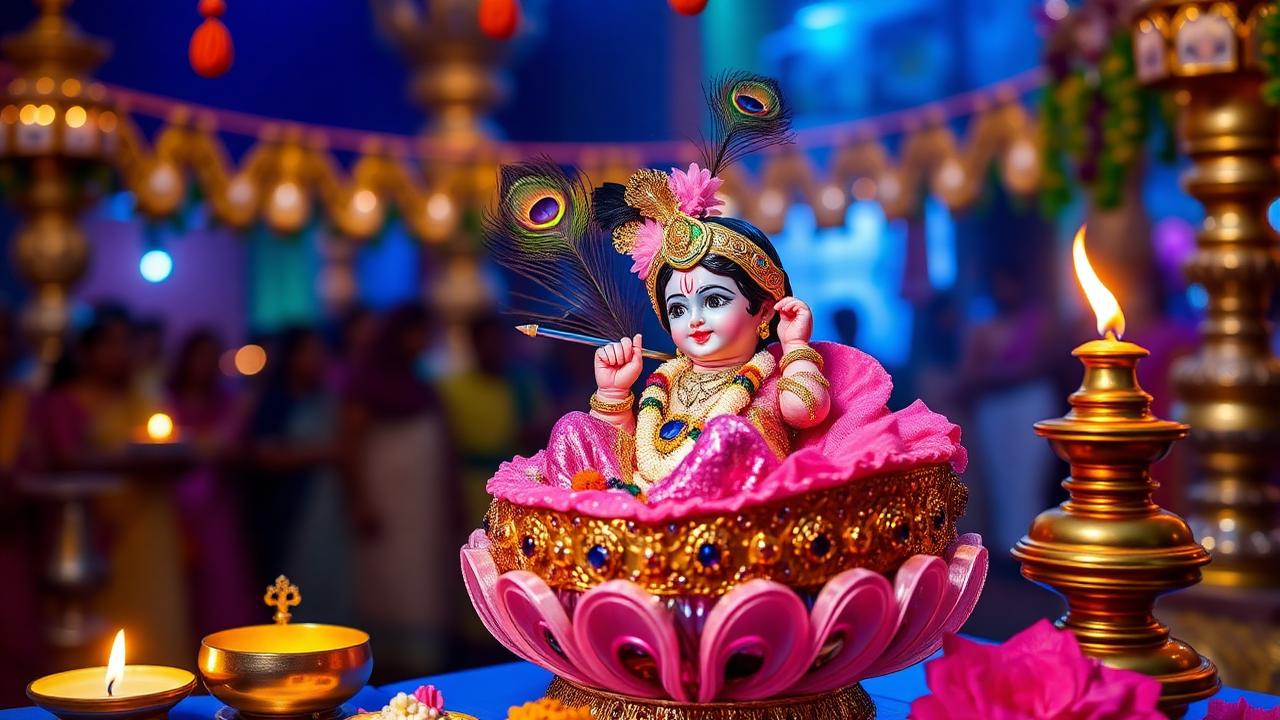
Krishna Aarti Lyrics in Hindi & English - Aarti Kunj Bihari Ki
9 min read
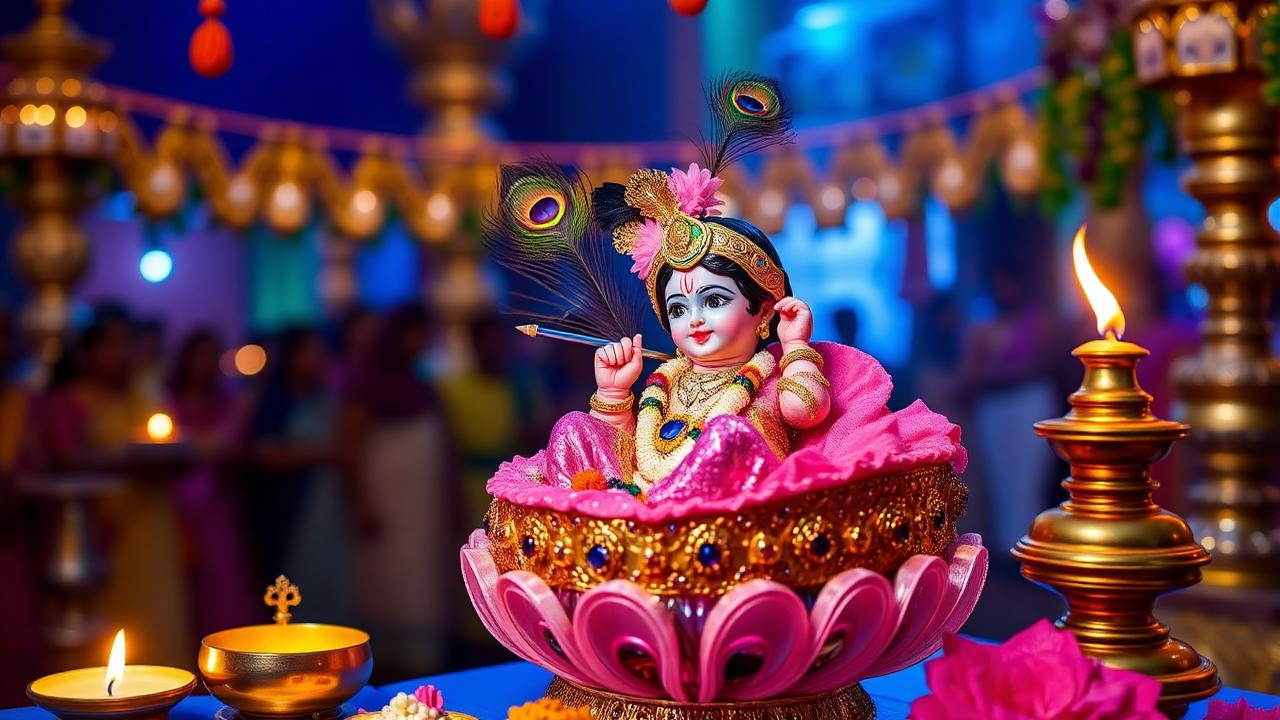
Krishna Chalisa Lyrics in Hindi & English with Meaning
9 min read
108 Names of Lord Krishna: Complete List with Meaning, Benefits & How to Chant Daily
12 min read
Hare Krishna Maha Mantra – Lyrics, Meaning & Benefits
9 min read

Bhagavad Gita - All 18 Chapters Summary & Key Teachings
10 min read

Purusha Suktam - Lyrics, Meaning & Benefits
10 min read