What Is Magh Maas and When Does It Fall in 2027
Magha is the eleventh month of the Hindu lunar calendar, and in 2027 it falls roughly across January and February. Its name comes from the Magha nakshatra near which the month's full moon rises. Makar Sankranti, when the Sun enters Capricorn and turns northward into Uttarayan, precedes and opens the great bathing season that Magh carries to its height. This is the month of the celebrated Magh Snan - daily holy bathing at dawn - and of kalpvas, the austere month-long stay of pilgrims at the Triveni Sangam of Prayagraj. Its sacred days include Mauni Amavasya, Vasant Panchami, Ratha Saptami and Maghi Purnima. Each follows a lunar tithi, so confirm exact dates on the Vandnaa Panchang. Like all lunar months it is reckoned slightly differently by the Purnimanta and Amanta calendars, but the bathing season itself - from Paush Purnima to Maghi Purnima - is honoured all across the country.
Why Magh Is a Holy Month - The Scriptural Basis
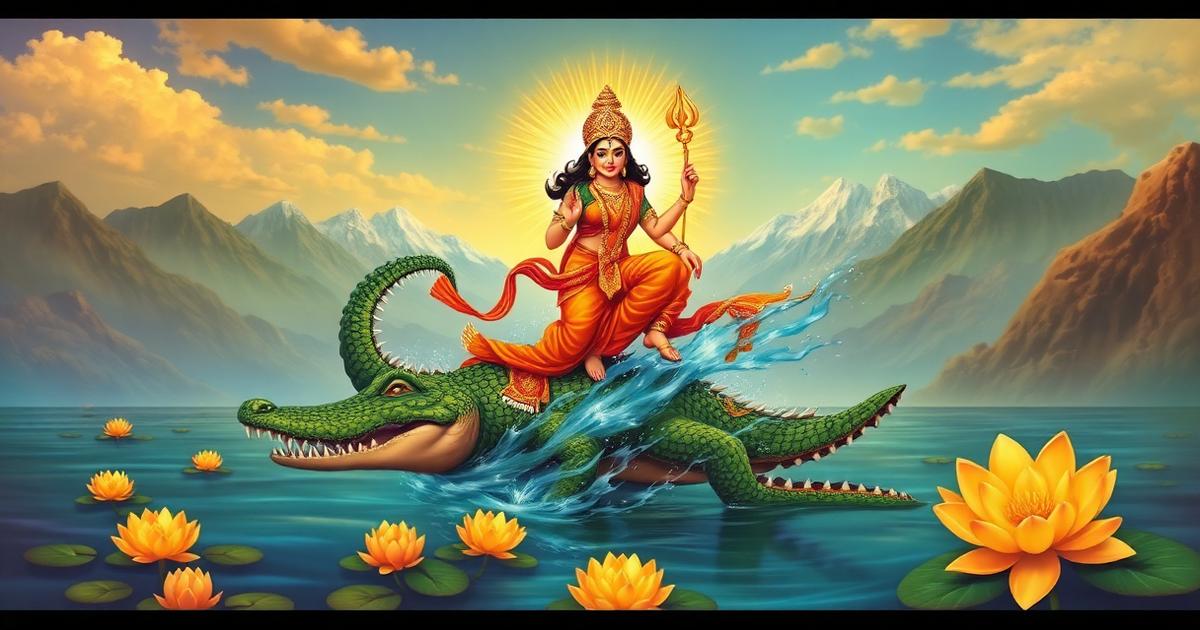
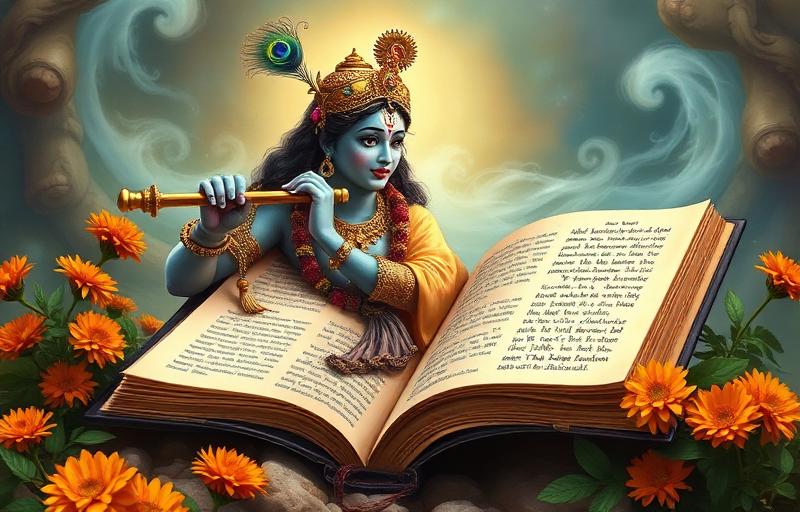
The Padma Purana's Magh Mahatmya declares that bathing in a holy river during Magh, especially at the Triveni Sangam where Ganga, Yamuna and the unseen Saraswati meet, cleanses lifetimes of accumulated wrongs. The puranic verse promises that in Magh all waters become Ganga-like, so even one who bathes in a humble pond with the Lord's name on the lips receives tirtha merit. The month is sacred to Lord Vishnu as Madhava, whose worship at Prayagraj is inseparable from the Sangam bath, and to Surya Dev, freshly turned northward in Uttarayan, who is honoured with morning arghya. The Mahabharata records that Bhishma Pitamah chose this bright half of Uttarayan to leave his body, marking the season's gateway to liberation. The month's giving carries special weight too: til, blankets and food offered in Magh's cold are said to please Madhava more than gold offered in comfort.
Magh Snan and Kalpvas - The Heart of the Month
Magh Snan is the vrat of bathing daily before sunrise through the month, traditionally from Paush Purnima to Maghi Purnima. At Prayagraj, lakhs of devotees undertake kalpvas: they live in tents on the Sangam sands for the month, bathing thrice daily, eating one simple satvik meal, sleeping on the ground, observing japa, satsang and daan. The shastras say a disciplined kalpvas carries the fruit of years of tapasya. For those who cannot travel, the tradition itself offers the alternative: bathe early at home, mixing a few drops of Ganga jal in the water, chanting 'Om Namo Bhagavate Vasudevaya' or 'Har Har Gange' and keeping the same simplicity of food and conduct. The merit, the texts insist, follows the bhava more than the place. Many families send one member for kalpvas on behalf of the whole household, while the others keep the home vrat in step with them, joined in sankalpa across the distance.
Major Festivals and Vrats of Magh 2027
The sacred days of Magh, in the order they arrive: 1. Shattila Ekadashi (Krishna Paksha) - a Vishnu fast where til (sesame) is used in six ways: in the bath, ubtan, water, food, daan and havan. 2. Mauni Amavasya - the new moon of silence; devotees bathe at dawn and keep maun vrat, letting stillness deepen the snan. 3. Vasant Panchami (Shukla Panchami) - worship of Maa Saraswati with yellow flowers and the start of spring; children begin learning. 4. Ratha Saptami (Shukla Saptami) - Surya Jayanti, when the Sun's chariot is honoured with arghya at sunrise. 5. Jaya Ekadashi and Maghi Purnima - the closing snan of the Magh vrat, with daan and Satyanarayan katha. Soon after Magh ends comes Maha Shivratri, on the Krishna Chaturdashi that the North Indian calendar counts in Phalguna. Confirm each tithi on the Vandnaa Panchang.
Daily Practices - Snan, Til Daan, Surya Arghya and Madhava Japa
Magh's daily niyam are built around water, sun and giving: 1. Snan - bathe before sunrise daily; add Ganga jal if possible and remember the Triveni as you pour. 2. Surya arghya - offer water to the rising Sun from a copper vessel, chanting Om Suryaya Namah or the Gayatri mantra. 3. Japa - the month belongs to Vishnu as Madhava; chant Om Namo Bhagavate Vasudevaya or the Madhava-smaran 'Magha snane Madhavah priyatam' after the bath. 4. Til daan - sesame, gur, blankets, warm clothing, ghee and food given in Magh carry special merit; til in food and bath is the month's signature. 5. Vrat - keep Shattila and Jaya Ekadashi, and maun on Mauni Amavasya. 6. Evening diya - light a lamp by Tulsi and, where possible, float a diya in a river or pond on Purnima. Let the body adjust gradually to the cold; warm water is permitted where age or health requires it.
What to Avoid in Magh
The Magh vrat asks for simplicity and steadiness: 1. Avoid late rising - the entire merit of Magh Snan lies in the cold pre-dawn hour; bathing late is said to reduce the vrat to routine. 2. Avoid tamasic food, alcohol and non-vegetarian food through the month; kalpvasis traditionally eat only once a day. 3. Do not break maun carelessly on Mauni Amavasya; if full silence is hard, at least avoid harsh and idle speech that day. 4. Avoid luxury and display - kalpvas tradition favours plain clothing, simple bedding and restraint of comfort. 5. Do not pollute or disrespect rivers and water bodies; the month that worships water must not wound it. 6. Avoid skipping the closing Maghi Purnima snan and daan, which seal the month's vrat. The vrat is demanding precisely because winter argues against it - and that argument, overcome each dawn, is itself the tapasya.
Living Magh Devotionally
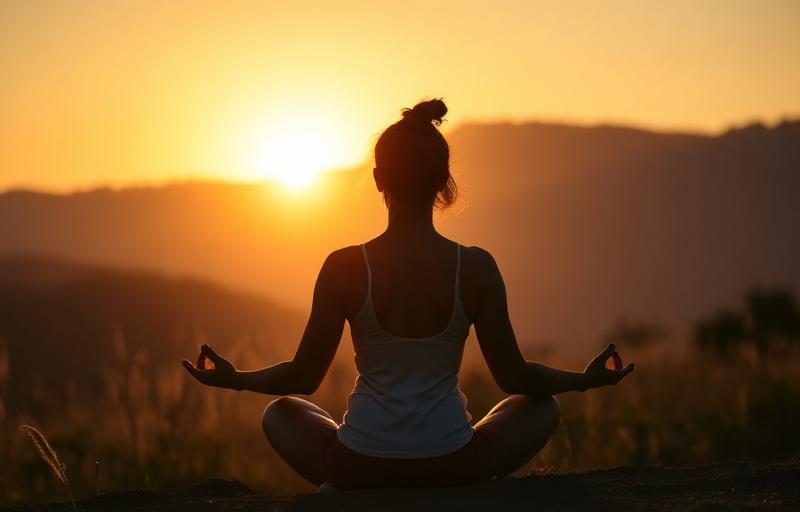
Magh is the month that proves devotion through small, cold, repeated acts. You may never pitch a tent at the Sangam, but you can keep a householder's kalpvas: rise before the sun, bathe with the Lord's name, offer arghya to Surya, give til and a blanket to someone who shivers, and guard one day of silence on Mauni Amavasya. Welcome Saraswati with something yellow on Vasant Panchami and salute the Sun's chariot on Ratha Saptami. By Maghi Purnima you will find the month has quietly rebuilt your discipline - just in time for Maha Shivratri, which follows days later. The Vandnaa app keeps the Panchang, Surya and Vishnu mantras and daily aarti beside you through every cold, bright morning of Magh. Of all the months, Magh asks the least imagination and the most constancy; it is devotion measured not in feeling but in mornings, and that is exactly why its fruit endures.
What People Ask Most
When does Magh Maas 2027 fall?+
Magha is the eleventh Hindu lunar month and in 2027 falls roughly across January and February, after Makar Sankranti has turned the Sun northward into Uttarayan. The Magh Snan period traditionally runs from Paush Purnima to Maghi Purnima. Exact boundaries follow lunar tithis, so confirm all dates on the Vandnaa Panchang. The annual Magh Mela at Prayagraj runs through this same window, drawing kalpvasis to the Sangam.
What is Magh Snan and how do I keep it at home?+
Magh Snan is the vrat of bathing daily before sunrise through the month of Magh, ideally in a holy river. At home, rise early, mix a few drops of Ganga jal in your bathing water, remember the Triveni Sangam, and chant Om Namo Bhagavate Vasudevaya or Har Har Gange while bathing. Follow with Surya arghya and simple satvik food.
What is kalpvas at Prayagraj?+
Kalpvas is a month-long austerity kept on the sands of the Triveni Sangam at Prayagraj during Magh. Kalpvasis live in tents, bathe thrice daily, eat one satvik meal, sleep on the ground and devote their days to japa, satsang, katha and daan. The Padma Purana says a sincere kalpvas yields the fruit of years of tapasya.
Why is Mauni Amavasya kept in silence?+
Mauni Amavasya, the new moon of Magh, joins two disciplines: the holy bath and maun vrat, the vow of silence. Tradition holds that silence conserves inner energy and turns the mind from outer speech to inner remembrance, so the snan taken in silence carries deeper fruit. It is among the most important bathing days of the entire Magh Mela.
Which deities are worshipped in Magh?+
Magh centres on Lord Vishnu in his Madhava form, whose name is invoked with every Magh snan, and on Surya Dev, honoured with morning arghya through Uttarayan and especially on Ratha Saptami. Ganga and the holy rivers are revered in every bath, Saraswati is worshipped on Vasant Panchami, and the month hands over to Shiva as Maha Shivratri follows its close.
Does Maha Shivratri fall in Magh?+
It depends on the calendar system. Maha Shivratri falls on the Krishna Chaturdashi after Maghi Purnima; the North Indian Purnimanta calendar counts that paksha as Phalguna, so Shivratri arrives just days after Magh ends. Amanta calendars of the South and West count the same days as Magh. The festival day itself is identical everywhere - check the Vandnaa Panchang.
About the author
Anjali Mehta · Editor, M.A. Religious Studies
Anjali is the managing editor for Vandnaa and oversees the festival and vrat coverage. She holds an M.A. in Religious Studies and reviews every published article for accuracy, accessibility, and tradition-fidelity.
Meet the Vandnaa editorial team →