Who Male Mahadeshwara Swamy Is
Male Mahadeshwara, whose name means the great lord of the hills, is worshipped at Male Mahadeshwara Betta, the range of forested hills in Chamarajanagar district of Karnataka, close to the Tamil Nadu border. Devotees usually call the place MM Hills.
He is worshipped as Shiva, and his devotees hold that he appeared in this world as a siddha, an accomplished ascetic, several centuries ago. Tradition places him around the fourteenth or fifteenth century, and describes him as having come to these hills to end the disorder caused by forces troubling the region, remaining afterwards as their presiding deity.
Three things define his worship:
- He is approached as a living presence in the hills rather than only as a temple murti
- His katha is preserved in a folk epic, sung rather than read
- His devotees come from both Kannada and Tamil speaking regions, since the hills sit on the border and both communities claim him
The shrine sits inside a wildlife sanctuary, and the forest is part of the devotion. Devotees speak of the hills themselves as the deity's body, which is why the pilgrimage is walked wherever possible.
The Tiger: The Image Every Devotee Knows
The single image associated with Male Mahadeshwara across Karnataka is of the deity seated on a tiger.
In the katha, the tigers of the forest, wild and dangerous to travellers, came under his command. He is said to have ridden one across the seven hills, which is why he is often addressed as the deity who tamed what could not be tamed. The tiger appears in temple imagery, on calendars in Kannada homes, and in the songs sung by his devotees.
What devotees read into this image:
- Mastery over fear. The forest was a place of real danger, and a deity who rides its most feared animal is a deity who removes fear.
- Authority without violence. In the katha the tiger is not killed but brought into service, which fits the Shaiva idea of transformation rather than destruction.
- A local Shiva. Shiva wears a tiger skin in classical iconography. Here, in a forest region, he rides the living animal.
The hills are today part of a tiger sanctuary, and devotees frequently note the continuity. The animal that carries the deity in the katha still lives in the forest that surrounds his shrine.
The Folk Epic and the Devara Guddas
The story of Male Mahadeshwara is preserved in the Male Mahadeshwara Kavya, a long folk epic in Kannada that is performed rather than read.
- It is sung by devotee singers traditionally called Devara Guddas, men dedicated to the deity, often from a young age through a family vow
- The performance is accompanied by the tamboori, a simple stringed instrument, and sometimes small cymbals
- A full performance runs through the night, sometimes across several nights, narrating the deity's arrival, his miracles, and the episodes of the tiger and of his encounters with those who doubted him
- The epic circulates in many versions, since it lives in the memory of singers rather than in a single fixed manuscript
This oral tradition is why Male Mahadeshwara's devotion feels different from temple centred worship. A family in a village far from the hills can hold the deity's entire katha in their courtyard for one night, without a priest, simply by inviting singers.
Scholars of Kannada folk literature treat the epic as one of the major oral works of south India, and recording projects have been under way for decades. For devotees, though, the point is simpler. The song is how the deity is remembered, and singing it is itself an offering.
The Temple and the Jatras
The main temple at MM Hills sits at around three thousand feet, surrounded by forest, and is administered along with the historic Salur Mutt, which has held a traditional role in its management.
What happens at the temple:
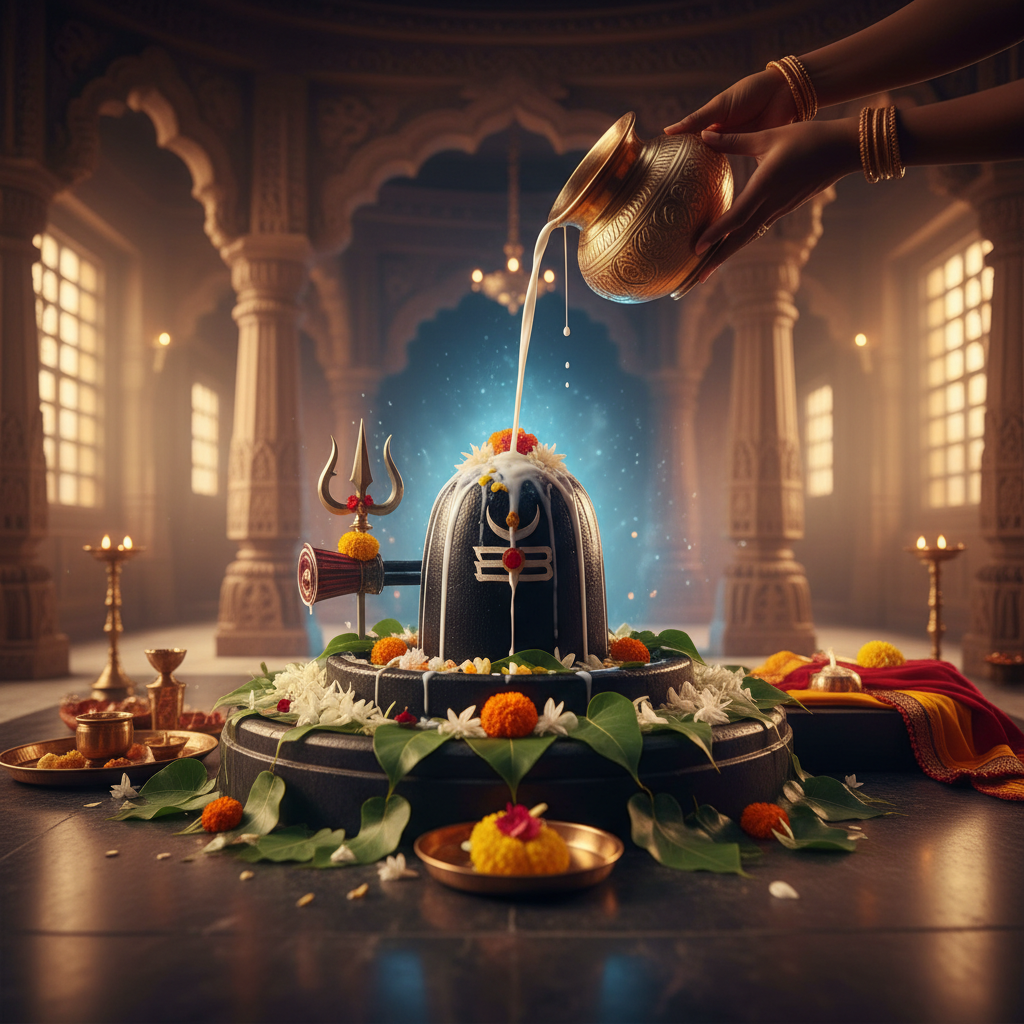
- Daily worship follows Shaiva practice, with abhishek, bilva offering and aarti
- Jatras, the large festival gatherings, are held around Ugadi, Mahashivratri, Deepavali and the Navaratri period, drawing lakhs of devotees
- Devotees undertake padayatra, walking from Kollegal, Hanur and other towns, often in groups singing the deity's songs on the way
- Families complete vows through head shaving, offering of clothes and the feeding of pilgrims
- Many devotees carry a kavadi like offering and perform traditional dance on arrival
Prasad and offerings are simple. Coconut, jaggery, bilva, flowers and lamps are the usual items, and community kitchens serve food through festival days.
Because the temple lies within a protected forest area, movement is regulated, night travel through the sanctuary is restricted, and devotees are expected to follow forest department rules, including on plastic, noise and feeding animals.
What Devotees Ask For
Male Mahadeshwara's devotees are largely from farming, herding and working communities across southern Karnataka and the neighbouring Tamil districts, and the requests brought to him reflect that.
- Protection of cattle and livestock, the oldest layer of his worship in a forest and grazing region
- Relief from long illness, particularly where families have already tried what they could
- Success in a difficult undertaking, a new season, a new business, a court matter
- Fulfilment of a family vow, often carried across generations, where a child is dedicated to sing the deity's songs or a household commits to an annual visit
The devotion has a distinct emotional register that comes through in the songs. The deity is addressed familiarly, argued with, reminded of past help and asked plainly for more. This is characteristic of folk Shaiva traditions in the Deccan, where the deity is not distant and the devotee is not formal.
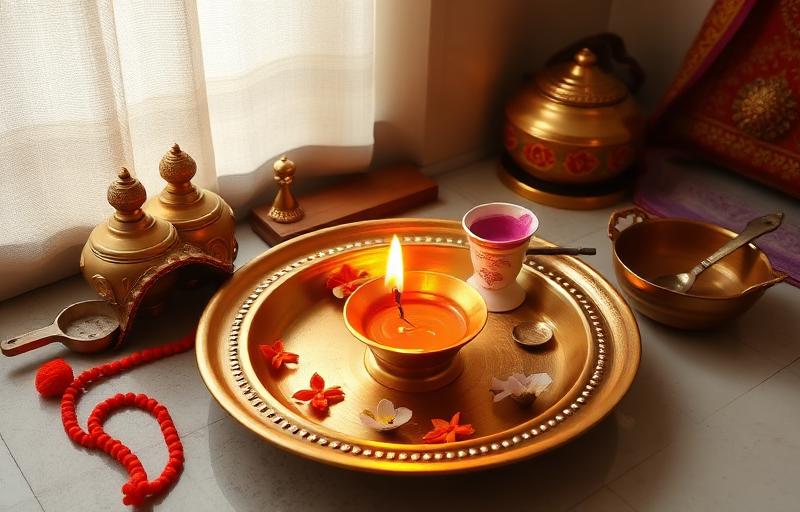
For families who cannot travel, the practice at home is a lamp on Mondays, a Shiva mantra such as Om Namah Shivaya, and the singing or playing of the deity's songs, which are widely available in recorded form and are treated as a legitimate way to keep the connection.
Planning a Visit to MM Hills
MM Hills is a full day trip from Bengaluru or Mysuru and requires some planning because of the forest route.
- Distance - roughly two hundred kilometres from Bengaluru and about a hundred and forty from Mysuru, with the final stretch a winding ghat road through the sanctuary
- Best time - October to March. Avoid peak monsoon, when the ghat road can be difficult.
- Timings - travel through the sanctuary is restricted after dark, so plan to arrive well before evening and to leave in daylight
- Stay - basic accommodation is available near the temple through the temple authority and small lodges. Book ahead during jatra periods.
- Nearby - Kollegal, the Cauvery wildlife area, and Talakadu and Somanathapura for those returning via Mysuru
- Rules - it is a wildlife sanctuary. Do not carry plastic, do not stop on the ghat road for photographs of animals, and do not feed monkeys or any wildlife.
If your interest is the tradition rather than only darshan, ask at the temple about performances of the Mahadeshwara Kavya during the jatra. Hearing the epic sung with a tamboori, in the hills it describes, is the clearest way to understand why this deity has held his devotees for centuries.
Frequently Asked Questions
Who is Male Mahadeshwara Swamy?+
He is worshipped as Shiva at Male Mahadeshwara Betta in Chamarajanagar district of Karnataka. Tradition holds that he appeared as a siddha several centuries ago, ended the disorder troubling the region and remained as the presiding deity of the hills.
Why is Male Mahadeshwara shown riding a tiger?+
In his katha the tigers of the forest came under his command and he rode one across the seven hills. Devotees read the image as mastery over fear and as authority achieved without violence, since the tiger is brought into service rather than killed.
What is the Male Mahadeshwara Kavya?+
It is a long Kannada folk epic narrating the deity's life and miracles, sung through the night by devotee singers called Devara Guddas to the accompaniment of the tamboori. It exists in many oral versions rather than one fixed text.
When are the main festivals at MM Hills?+
The large jatras are held around Ugadi, Mahashivratri, Deepavali and the Navaratri period, when lakhs of devotees arrive, many walking from Kollegal, Hanur and nearby towns.
How far is MM Hills from Bengaluru?+
Roughly two hundred kilometres from Bengaluru and about a hundred and forty from Mysuru, with the last stretch a winding ghat road through a wildlife sanctuary where travel after dark is restricted.
What do devotees offer at the temple?+
Coconut, jaggery, bilva leaves, flowers and lamps are the usual offerings. Vows are commonly completed through head shaving, offering clothes, feeding pilgrims or dedicating a family member to sing the deity's songs.
About the author
Pandit Ravindra Sharma · Vedic Rituals & Bhakti, 22+ years
Pandit Ravindra is the Vandnaa editorial team's resident specialist on aarti, chalisa, and daily devotion. He has performed home and temple pujas across Varanasi and Delhi for over two decades and contributes the bhakti-focused articles on this site.
Meet the Vandnaa editorial team →