What Is Masik Durgashtami
Masik Durgashtami is the monthly observance of Ashtami dedicated to Maa Durga, the divine Mother who destroys evil and protects her devotees. While the most famous Durgashtami falls during Sharad Navratri, devotees who wish to honour the Goddess every month keep this vrat on the Ashtami of each Shukla paksha (bright fortnight). It is a gentle yet powerful way to stay connected to the Mother's strength and grace throughout the year.
Tithi and When It Falls
Masik Durgashtami is observed on the eighth tithi (Ashtami) of the Shukla paksha in every lunar month, so it occurs once a month, twelve times a year. Because the lunar calendar shifts against the Gregorian one, its date changes each month. The most revered of these is Maha Ashtami during Sharad Navratri in Ashwin. To know the exact date and Ashtami timing for any given month, always check a reliable regional Panchang.
Significance of the Vrat
Ashtami is sacred to Durga because it is linked to her victory over the demon Mahishasura, when the Goddess emerged as Shakti to restore dharma. Observing Durgashtami every month is believed to grant courage, protection from enemies and negative forces, removal of obstacles, and inner strength. For devotees who cannot wait for Navratri, the monthly vrat keeps the Mother's protective energy alive in the home and renews their bond with her every fortnight.
Monthly Puja Vidhi

1. Wake early, bathe and wear clean clothes, ideally red, the colour dear to Durga. 2. Clean the home mandir and place an image or idol of Maa Durga facing east or north. 3. Take a sankalp to observe the vrat, then light a ghee or sesame oil lamp. 4. Offer red flowers (especially hibiscus), kumkum, akshat, incense and fruits, and prepare a satvik bhog such as halwa or kheer. 5. Recite the Durga Chalisa, Durga Saptashati verses or the Argala Stotram, then chant the Durga mantra. 6. Perform the aarti, seek forgiveness for any errors, and distribute prasad to the family.
Fasting Rules
Devotees keep either a full fast (only water or fruits) or a partial fast taking one satvik meal of fruits, milk and vrat-friendly foods like kuttu, samak rice or potatoes. Avoid grains, onion, garlic, alcohol and non-vegetarian food for the day. Maintain cleanliness, speak gently and keep the mind on the Goddess. The fast is traditionally broken after the evening aarti, or on the Navami tithi the next day, as per family custom.
Mantras to Recite
The most loved mantras for Durgashtami are:
Om Dum Durgayai Namah
Sarva Mangala Mangalye, Shive Sarvartha Sadhike, Sharanye Tryambake Gauri, Narayani Namostute.
Chant Om Dum Durgayai Namah 108 times on a rudraksha or red-bead mala, and recite the Narayani Namostute shloka for protection and the fulfilment of every good wish.
Benefits of Monthly Observance
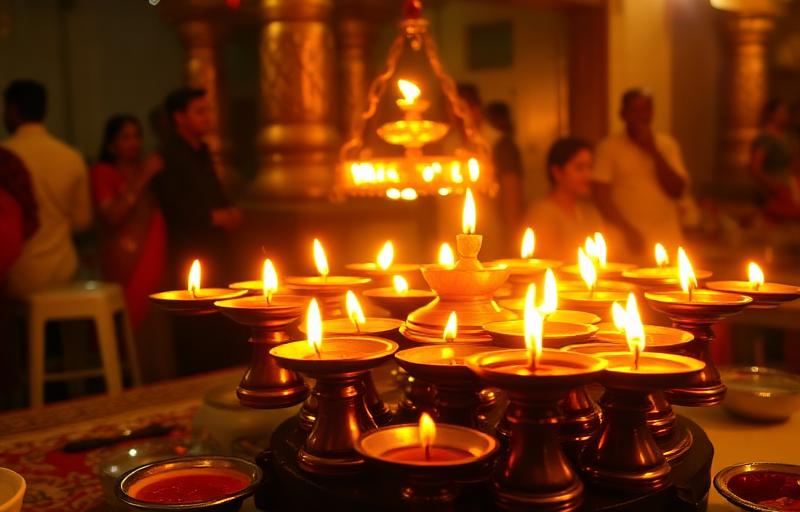
Keeping Durgashtami every month is believed to bring steady protection, courage and removal of fear and obstacles, and to invite the Mother's grace into daily life without waiting for Navratri. The regular discipline of fasting and prayer also calms the mind, strengthens willpower and deepens one's bond with Maa Durga, making her energy a constant presence in the home.
Common Questions From Devotees
What is Masik Durgashtami?+
It is the monthly worship of Maa Durga, observed on the Ashtami of every Shukla paksha (bright fortnight), occurring twelve times a year. It lets devotees honour the Goddess every month, not only during Navratri.
On which tithi is Masik Durgashtami observed?+
It falls on the eighth tithi (Ashtami) of the Shukla paksha each lunar month. Because the lunar calendar shifts, its Gregorian date changes monthly, so always check a regional Panchang for the exact day and timing.
How is it different from Navratri Durgashtami?+
Both fall on Shukla Ashtami, but Navratri's Maha Ashtami in Ashwin is the grandest, celebrated with kanya pujan and elaborate rituals. Masik Durgashtami is the simpler monthly version kept on the Ashtami of every bright fortnight.
What should be offered to Maa Durga on this day?+
Offer red flowers, especially hibiscus, along with kumkum, akshat, incense, fruits and a satvik bhog like halwa or kheer. Red is the colour dear to the Goddess, and clean, sincere worship matters most.
Which mantra is best for Masik Durgashtami?+
Chant 'Om Dum Durgayai Namah' 108 times on a rudraksha or red-bead mala, and recite the 'Sarva Mangala Mangalye' (Narayani Namostute) shloka for protection and the fulfilment of good wishes.
Is fasting compulsory on Masik Durgashtami?+
It is not compulsory but traditional. Devotees keep either a full fast or a partial one with vrat-friendly satvik food, avoiding grains, onion, garlic and non-vegetarian food. Sincere worship matters more than the strictness of the fast.
About the author
Pandit Mahesh Trivedi · Festival Traditions & Panchang
Pandit Mahesh leads the festival-date and Panchang content on Vandnaa. He cross-references multiple regional panchangs (Drik, Vaishnava, Bengali, Marathi) for every festival date published on the site.
Meet the Vandnaa editorial team →Explore on Vandnaa
Related Articles
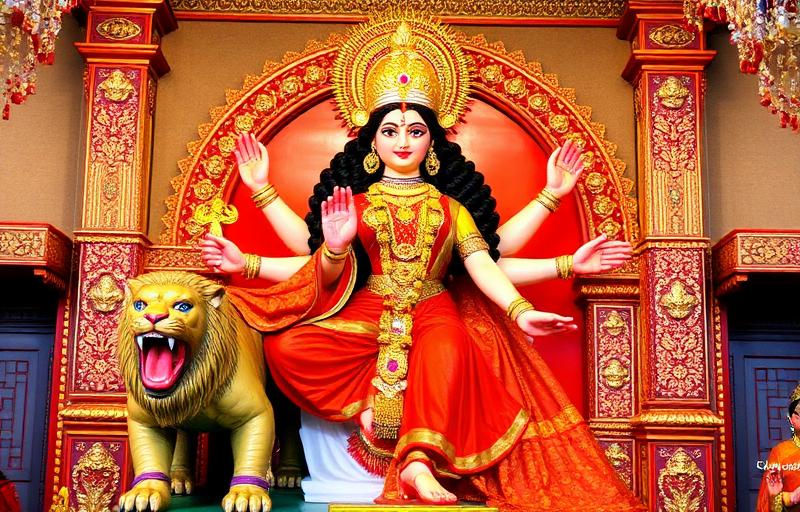
Durga Aarti Lyrics – Ambe Tu Hai Jagdambe Kali (दुर्गा आरती)
8 min read
Durga Chalisa Lyrics in Hindi & English with Meaning
9 min read
Sharad Navratri 2026: 9 Days Colors, Puja Vidhi, Vrat Rules & Kanya Pujan Guide
10 min read

What Is Sankalp in Puja - Meaning, Significance & How to Do It
8 min read
Vrat ke Niyam - General Fasting Rules, Dos & Donts
9 min read
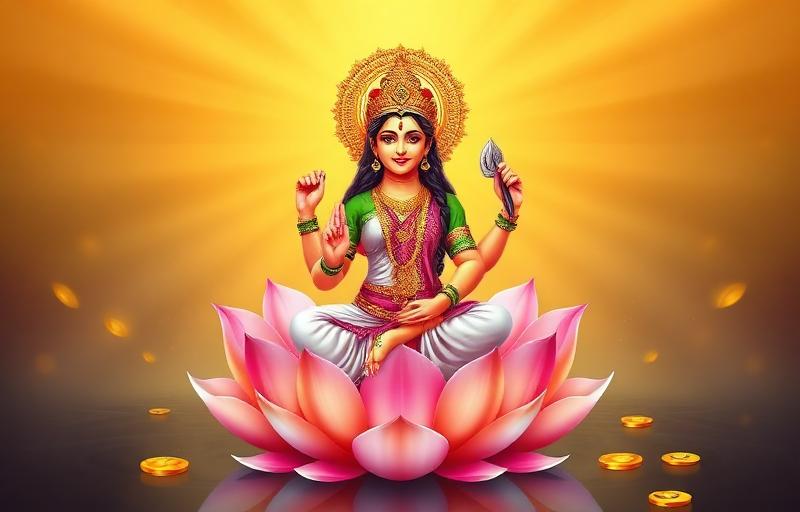
Varalakshmi Vratam - Significance, Tithi & Puja Vidhi
9 min read