A Voice at the Mouth of a Cave
Before Rama ever set foot in Kishkindha, before Sita was taken, before any of the war that fills most of the Ramayana, there is a smaller story that explains why the vanara kingdom was already broken in two.
Mayavi was an asura who could take the form of a buffalo, and in some tellings he is named as the son or brother of Dundubhi, another buffalo-demon Vali had already killed. One night he arrived outside Kishkindha and called out a direct challenge to Vali, king of the vanaras, taunting him by name.
Vali was not a king who let a challenge stand. He rushed out to answer it, and his younger brother Sugriva followed, as he always did.
When Mayavi saw the size of the force he had provoked, he ran. Not out of the open field but into a narrow cave mouth in the mountainside, and Vali went straight in after him without pausing to think about what came next.
At the entrance, Vali gave Sugriva one instruction. Wait here. If blood comes out of the cave, it means I have killed him, stay until I return. If instead you see froth or foam that looks pale, it means he has killed me, and you should seal the entrance and go back to protect the kingdom.
And then he went in, and the mouth of the cave went quiet.
A Year, and a Wrong Guess
What Sugriva actually waited through depends on which version of the Ramayana you read. Valmiki's account has him waiting a full year, hearing nothing, before something finally comes out of the cave.
And what came out was ambiguous enough to end an empire. Some tellings have Sugriva seeing red froth that he mistakes for Vali's blood rather than the demon's. Others have him simply losing hope after so long a silence, certain that no living being could survive a year of fighting inside a sealed mountain.
Either way, Sugriva made the decision the instructions had given him for exactly this outcome. He rolled a boulder across the cave mouth, sealing it, and went back to Kishkindha believing his brother was dead.
A throne cannot sit empty, and the ministers pressed Sugriva to take it. He accepted, reluctantly by most accounts, and was crowned king.
Vali, meanwhile, had killed Mayavi. It had simply taken him the better part of a year to do it, inside a cave, against a demon fighting for his life. When he finally reached the entrance, he found it blocked by a boulder he had to break through himself, and on the other side, a kingdom that had already crowned someone else and a brother who had taken his wife Ruma into his own household for safekeeping, as royal custom sometimes required of a regent.
Vali did not wait to hear an explanation. He assumed the worst: that Sugriva had sealed him inside on purpose, to inherit both the throne and the queen. He drove Sugriva out of Kishkindha, took Ruma back along with Sugriva's other wife Tara for himself, and put a bounty on his brother's life that never lifted.
Why a Reader Needs This Before Rama Arrives
Most retellings of the Ramayana skip straight from Sita's abduction to Rama meeting Sugriva in the forest, and treat Vali's tyranny as simply a fact to be corrected.
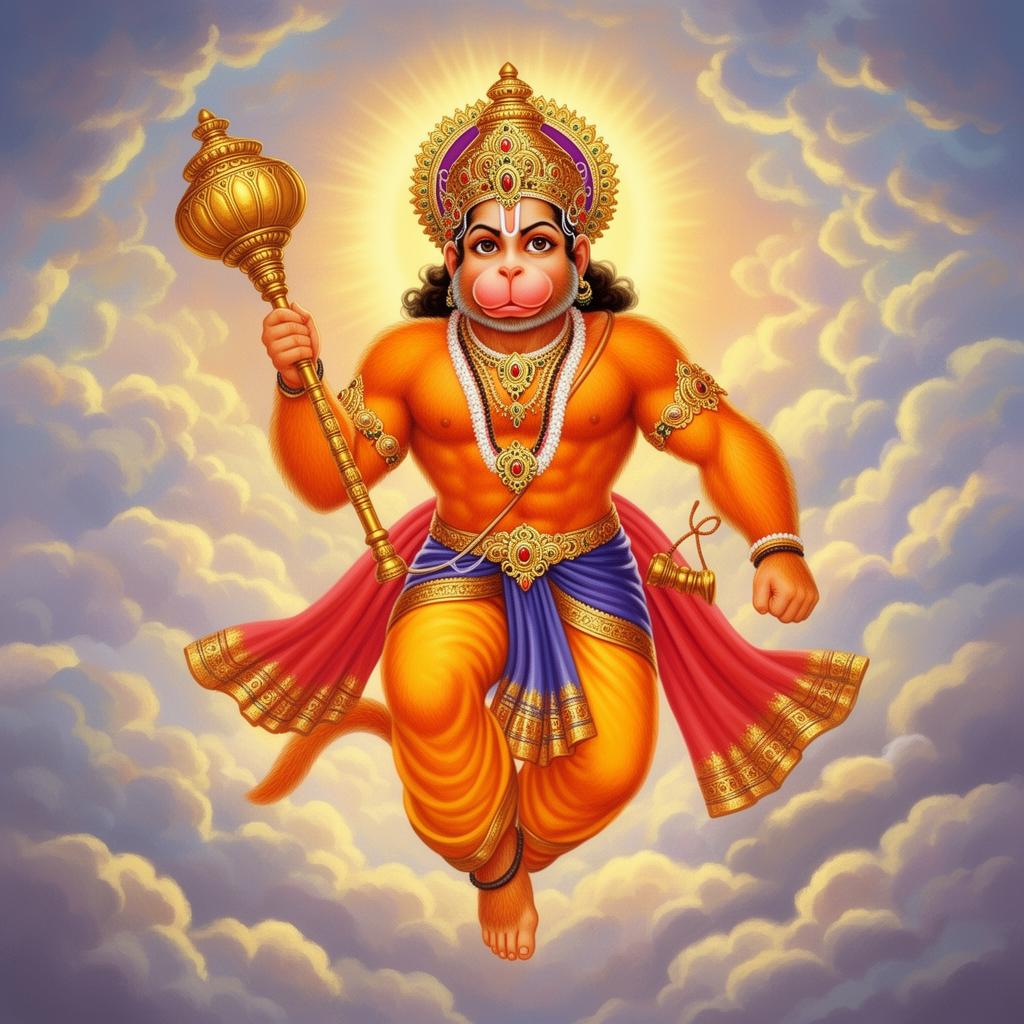
But the Mayavi episode is what makes Sugriva's fear coherent. When Rama and Lakshmana first appear near Kishkindha, Sugriva does not walk out to greet them. He sends Hanuman first, disguised, because he assumes any powerful stranger near his territory could be an assassin sent by Vali. That is not paranoia invented for the plot. It is a man who has spent years hiding from a brother who genuinely believes he was betrayed.
It also complicates who the wronged party actually is, which the epic does not shy away from. Vali's fury has a real cause: a sealed cave mouth and a missing wife did look exactly like betrayal from where he stood. Sugriva's fear has a real cause too: he followed the instructions he was given, in good faith, and lost his kingdom and his freedom for it regardless.
The Ramayana does not resolve that tension with a villain and a victim. It resolves it with an alliance, brokered by Rama, that both brothers have reasons to want and reasons to distrust. Vali's death later, at Rama's hidden arrow, is one of the epic's most argued-over moments precisely because the Mayavi story has already shown the reader that Vali's anger, however violent its consequences, began from an honest misunderstanding rather than simple cruelty.
Quick Answers
Was Mayavi related to Dundubhi?+
Traditions differ. Some name Mayavi as Dundubhi's son seeking revenge for his father's death at Vali's hands; others treat the two buffalo-demons as unrelated. Either way, the confrontation follows the same shape: a night challenge, a chase into a cave, and a long fight out of sight.
Why didn't Vali just explain what happened when he got out?+
The text presents his anger as immediate and total, not a considered judgment. He saw a sealed cave and a missing wife and drew the conclusion that fit both facts before Sugriva ever had a chance to speak. It's one of several moments in the epic where a powerful figure acts on a first impression rather than an investigation.
Is this story in Valmiki's original text?+
Yes, it's part of the Kishkindha Kanda's backstory, told to Rama by Sugriva to explain why he is in exile and fears his brother. It isn't a later folk addition like some other Ramayana episodes.
Did Sugriva ever get his wife Ruma back?+
Yes. After Rama kills Vali, Sugriva is restored as king of Kishkindha, and Ruma returns to him. Tara, Vali's queen, remains in the palace and is treated with respect by the new court rather than punished for her earlier marriage.
About the author
Anjali Mehta · Editor, M.A. Religious Studies
Anjali is the managing editor for Vandnaa and oversees the festival and vrat coverage. She holds an M.A. in Religious Studies and reviews every published article for accuracy, accessibility, and tradition-fidelity.
Meet the Vandnaa editorial team →