A Boon That Turned Dangerous
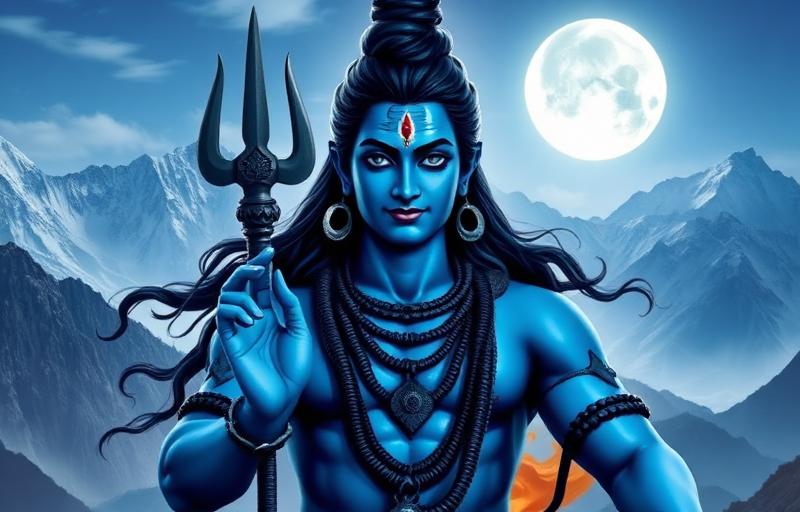
Lord Shiva is known as Bholenath, the innocent and generous one, easily pleased and quick to grant boons. But this very generosity once placed the Lord himself in danger, in the famous katha of Bhasmasur - the asura whose name means 'one made of ashes'.
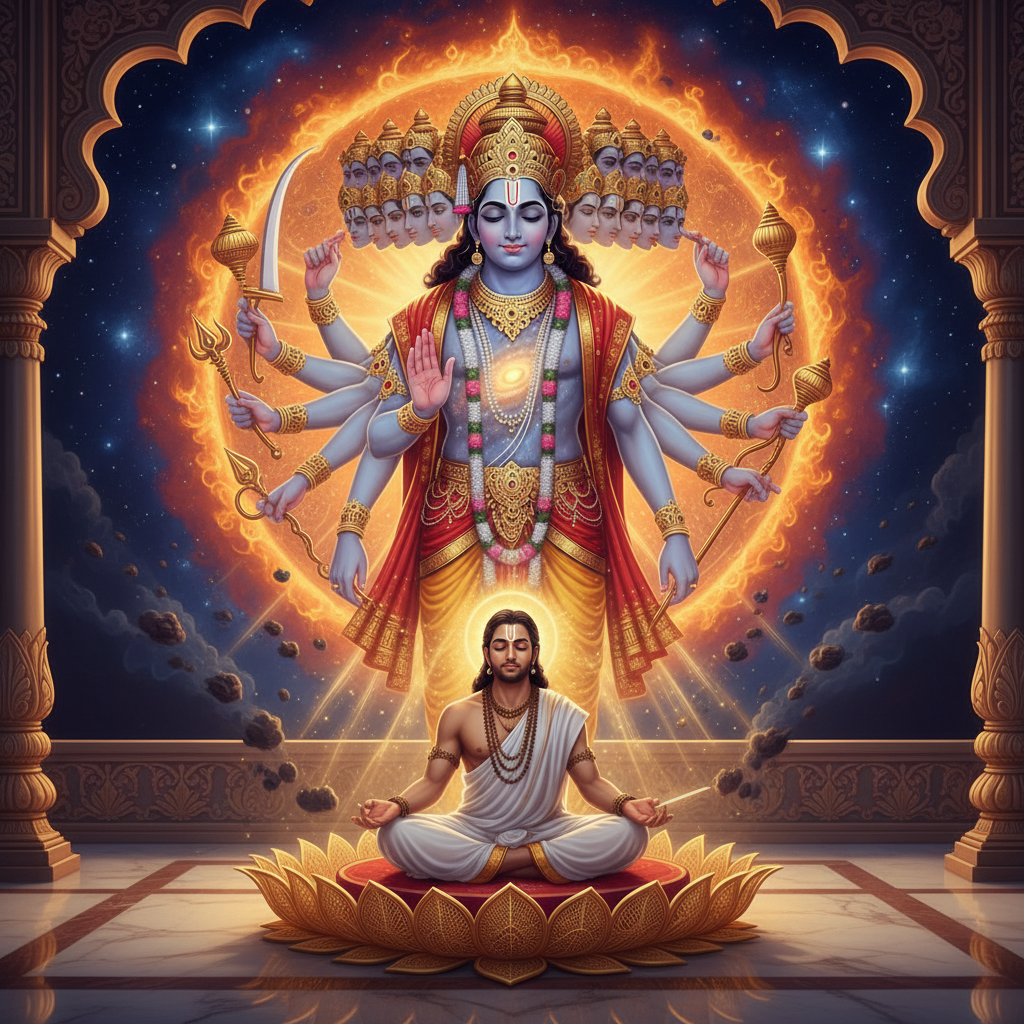
When Bhasmasur turned the boon Shiva had given him against the Lord, it was Vishnu's Mohini avatar - the only female form Lord Vishnu ever took - who saved the day. This story beautifully shows the harmony between Shiva and Vishnu, and the triumph of wisdom over brute power.
The Katha of Bhasmasur and Mohini
The asura Bhasmasur performed severe penance to please Lord Shiva. Pleased, Shiva appeared and offered him a boon. Bhasmasur asked for a terrible power: that whoever's head he placed his hand upon should instantly be reduced to ashes. In his innocence and generosity, Bholenath granted the boon.
The moment he received it, the wicked asura decided to test it on Shiva himself, so that he could seize all the Lord possessed. He raised his hand and rushed at Mahadev. Shiva fled, running across the worlds with the asura close behind, unable to use his own power against the boon he had given.
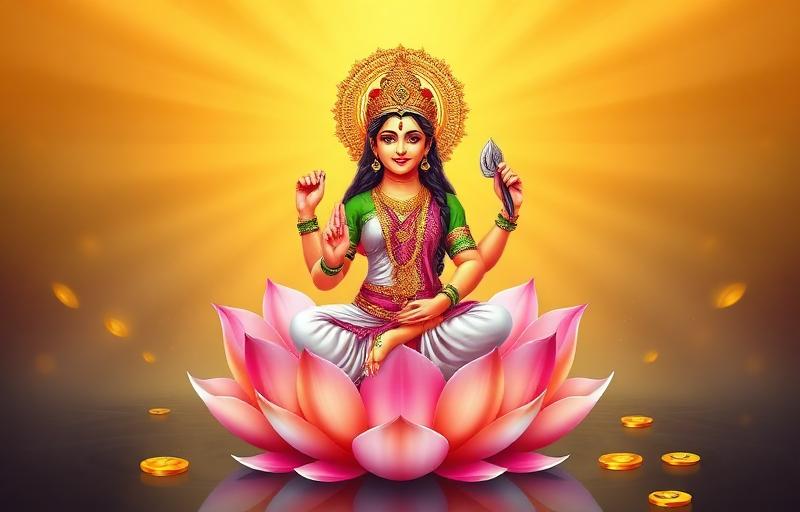
In this crisis, Lord Vishnu took the form of Mohini, a woman of such enchanting beauty that all who saw her were spellbound. When Bhasmasur saw Mohini, he forgot his pursuit and longed to win her. Mohini agreed, on one condition - that he must dance with her, matching her every movement. As the dance flowed, Mohini gracefully placed her own hand upon her head. Lost in the dance, Bhasmasur copied her without thinking - and placed his hand upon his own head. In an instant, his deadly boon turned upon him, and the asura was reduced to ashes. Lord Shiva was saved, and dharma was restored.
The Meaning of the Katha
This katha carries deep meaning beneath its dramatic events. It shows the boundless generosity of Shiva, who gives so freely that he places even himself in danger - a reminder of how pure and unguarded divine grace can be.
It also reveals the perfect harmony between Shiva and Vishnu. When one form of the divine is in difficulty, another form comes to its aid. The two are not rivals but one supreme reality acting in different ways.
The defeat of Bhasmasur is a timeless teaching: power gained through trickery and misused for ego turns upon its owner. The asura's own deadly boon destroyed him because he used it against his benefactor. Mohini's victory shows that wisdom and divine play overcome even the most terrible power, without a single weapon.
Lessons from the Katha
- Misused power destroys itself: Bhasmasur's boon, turned against his benefactor, ended his own life. Power used for ego and harm rebounds upon the wrongdoer.
- Ingratitude leads to ruin: The asura turned on the very Lord who blessed him. Gratitude protects; ingratitude invites downfall.
- Wisdom over force: Mohini conquered an unstoppable boon not by strength but by cleverness and grace. Wisdom is mightier than raw power.
- The divine protects its devotees: Even Shiva, in his innocence, was protected by Vishnu. The divine forms uphold one another and uphold dharma, so the sincere need never fear.
Reader Questions Answered
Who was Bhasmasur?+
Bhasmasur was an asura who performed severe penance and won a boon from Lord Shiva that whoever's head he touched with his hand would instantly be reduced to ashes. He then misused this power, trying to turn it against Shiva himself.
How did Vishnu's Mohini avatar save Shiva?+
Lord Vishnu took the enchanting form of Mohini, who charmed Bhasmasur into dancing with her and copying her every movement. When Mohini placed her hand on her own head, Bhasmasur copied her without thinking, touched his own head, and was reduced to ashes by his own boon.
Why is Shiva called Bholenath in this story?+
Shiva is called Bholenath, the innocent lord, because he is easily pleased and grants boons freely without suspicion. His pure generosity in giving Bhasmasur the deadly boon, even though it endangered him, reflects this loving and trusting nature.
What is the main lesson of the Mohini Bhasmasur katha?+
The main lesson is that power misused for ego and harm turns upon its owner, and that ingratitude toward a benefactor leads to ruin. It also shows that wisdom and divine play triumph over brute force, and that the divine forms protect one another and uphold dharma.
About the author
Anjali Mehta · Editor, M.A. Religious Studies
Anjali is the managing editor for Vandnaa and oversees the festival and vrat coverage. She holds an M.A. in Religious Studies and reviews every published article for accuracy, accessibility, and tradition-fidelity.
Meet the Vandnaa editorial team →