Hanuman: The Beloved Vanara Deity
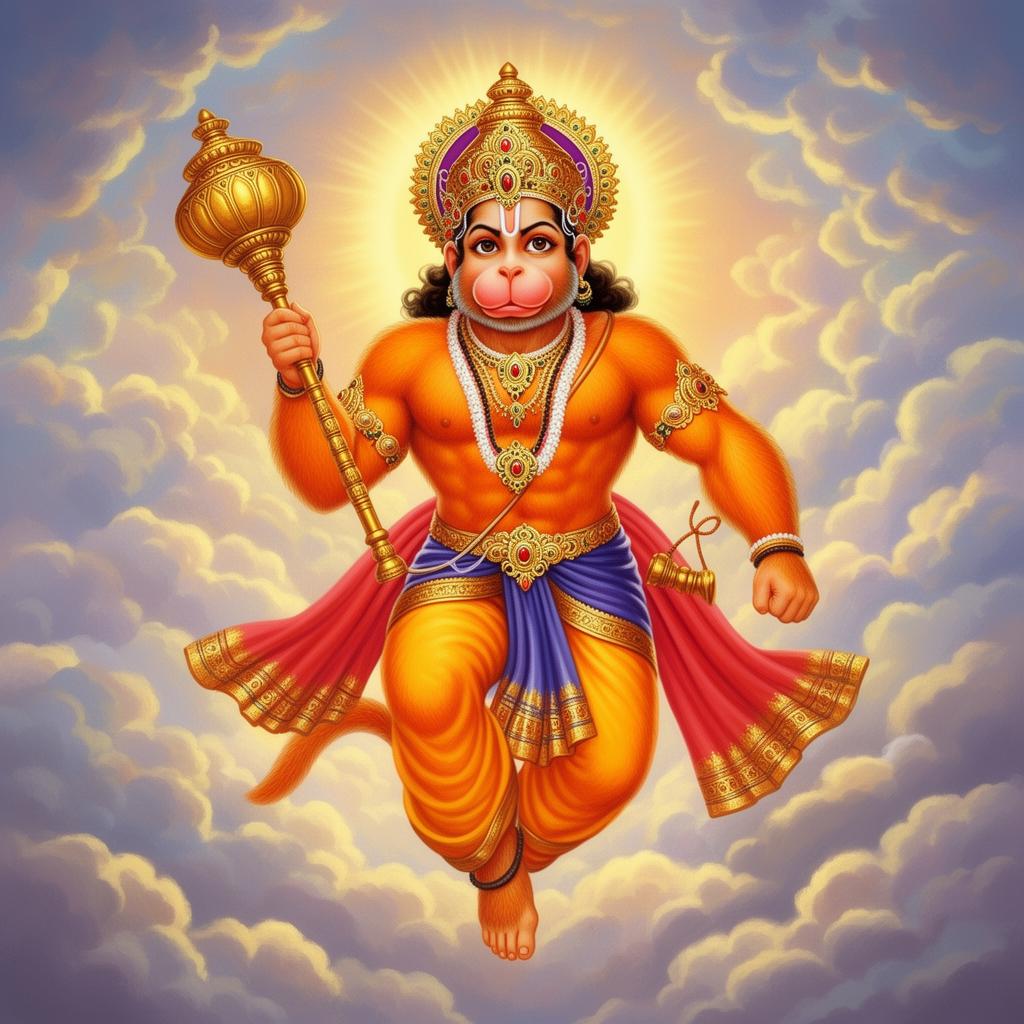
Among all the animal forms honoured in Hindu tradition, none is loved quite as widely or as personally as Hanuman, the vanara, monkey deity. Devotees across every region and language turn to him not with formal distance but with the closeness of speaking to a trusted friend and protector.
Hanuman is described as the son of Anjana and Kesari, blessed with extraordinary strength by Vayu, the wind god. Yet what devotees cherish most is not his power alone, but the complete, uncalculating devotion he holds for Lord Rama.
Hanuman's Role in the Ramayana
The Ramayana presents Hanuman as the very embodiment of what devotion can accomplish. He leaps across the ocean to reach Lanka in search of Sita, delivers Rama's message of hope to her in her darkest hour, and later sets fire to Lanka after being captured.
When Lakshmana lies wounded on the battlefield, it is Hanuman who flies to bring the Sanjeevani herb, ultimately carrying an entire mountain rather than risk failing to identify the right plant. Each of these acts is remembered not for the scale of the feat alone, but for the total absence of hesitation or self-interest behind it.
What the Monkey Form Symbolizes
Hanuman's monkey form carries a deliberate and powerful message: devotion and greatness are not reserved for the mighty or the divinely born alone. Among the vanara sena, the monkey army that stood beside Rama, it was Hanuman, humble in form, who accomplished what seemed impossible.
This is why Hanuman is held up as proof that sincerity of heart matters more than status or appearance, a teaching that resonates deeply across every level of Hindu devotional life.
How Devotees Worship Hanuman
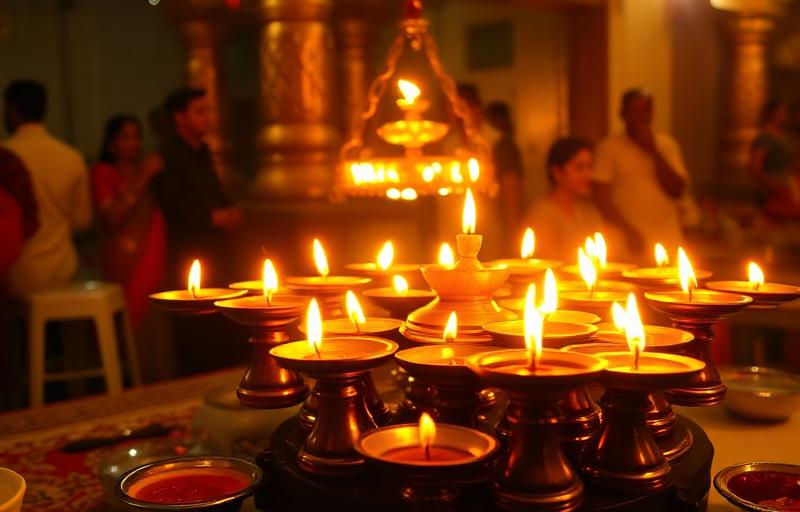
Tuesday and Saturday are traditionally considered especially auspicious for Hanuman worship, when many devotees visit his temples, chant the Hanuman Chalisa, and offer sindoor, til (sesame) oil and boondi or laddoo as prasad.
The custom of applying sindoor to Hanuman's idols traces back to a katha in which Hanuman, on seeing Sita apply sindoor for Rama's long life, covered his entire body in it out of devotion, believing more would bring even greater benefit to Rama. Devotees repeat this offering as a reminder of that same wholehearted devotion.
The Teaching of Selfless Seva
Devotees believe Hanuman removes fear and grants courage and strength to those who call upon him sincerely. But the deeper teaching of his life is seva, service given without any expectation of credit or reward.
Hanuman never asked to be honoured for crossing the ocean or lifting the mountain; his satisfaction came entirely from Rama's wellbeing. This model of devotion, giving fully and asking for nothing, remains central to how Hanuman is worshipped and remembered.
Bringing Hanuman's Spirit Into Daily Life
Devotees carry Hanuman's example into daily life by approaching their own responsibilities, at home, at work, in caring for family, with the same humble, wholehearted spirit of seva, doing the task fully without keeping score of credit.
Worship of Hanuman is an act of faith and love, not a transaction. His example gently insists that true strength is measured not by what one commands, but by how completely one is willing to serve.
What People Ask Most
Why is Hanuman depicted in monkey form?+
Hanuman is a vanara, born to Anjana and Kesari and blessed with extraordinary strength by Vayu, the wind god. His monkey form carries the teaching that devotion and greatness are not limited to the mighty or the divinely born, since it was humble Hanuman who accomplished what seemed impossible in the Ramayana.
Why do devotees apply sindoor to Hanuman idols?+
The custom traces to a katha in which Hanuman saw Sita applying sindoor for Rama's long life and, out of devotion, covered his own body in it, believing more sindoor would bring greater benefit to Rama. Devotees repeat this offering as a symbol of wholehearted devotion.
Why are Tuesday and Saturday considered special for Hanuman worship?+
Tuesday and Saturday are traditionally regarded as especially auspicious for Hanuman worship. Many devotees visit his temples on these days, chant the Hanuman Chalisa and offer sindoor, til oil and prasad such as boondi or laddoo.
About the author
Acharya Vinaya Kapoor · M.A. Sanskrit, Mantra & Stotra Studies
Acharya Vinaya holds an M.A. in Sanskrit from Banaras Hindu University and writes the mantra and stotra commentary on Vandnaa. Her focus is on accurate pronunciation, traditional context, and helping modern readers connect with classical texts.
Meet the Vandnaa editorial team →