The Parrot Beside Kamadeva
In classical Hindu iconography, Kamadeva, the god of love, is shown carrying a bow strung with flowers and arrows tipped with blossoms, often accompanied by a parrot as his charming companion. The bird's bright colour and quick, graceful flight made it a fitting symbol of the swiftness and delight associated with romantic longing.
This pairing appears across classical Sanskrit poetry and temple art, where the parrot's presence signals themes of love, courtship and the tender messages exchanged between devoted hearts.
The Parrot with Meenakshi and Andal
The parrot's presence extends into the iconography of beloved goddesses as well. Meenakshi of Madurai is sometimes depicted holding a parrot, and in the Tamil bhakti tradition, the saint-poetess Andal is often shown with a parrot perched near her, a companion in her devotional verses.
In Andal's Nachiyar Tirumozhi, she speaks to a parrot as a confidante, sharing her longing for Krishna through it, a tender literary device that has made the bird inseparable from this cherished strand of Vaishnava devotion.
What the Parrot Symbolizes
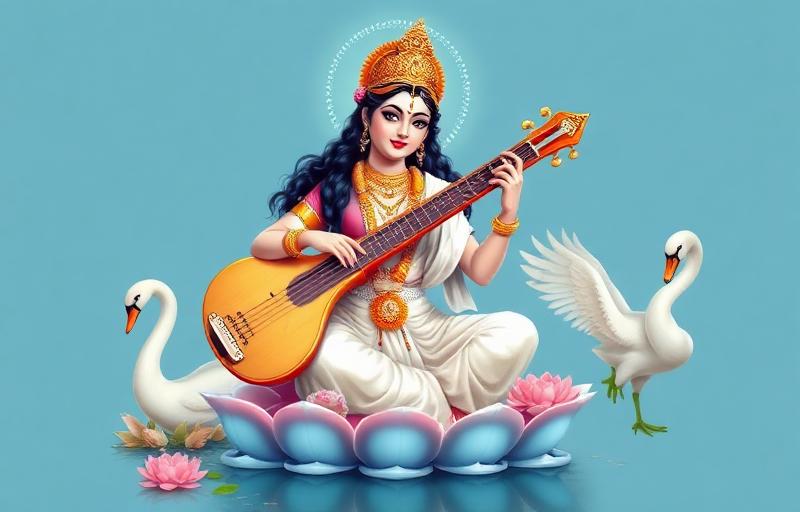
The parrot's defining quality, its ability to mimic human speech, gave it a special place as a symbol of vani, speech and eloquence. Because Saraswati presides over speech, learning and the arts, the parrot's association with sweet, articulate words places it thematically close to her domain, even though the swan remains her principal vahana in Hindu iconography.
In poetic and devotional tradition, a parrot's speech was often treated as something between chatter and blessing, its presence in a garden or courtyard considered a mark of a lively, cultured household.
The Parrot in Art and Classical Poetry
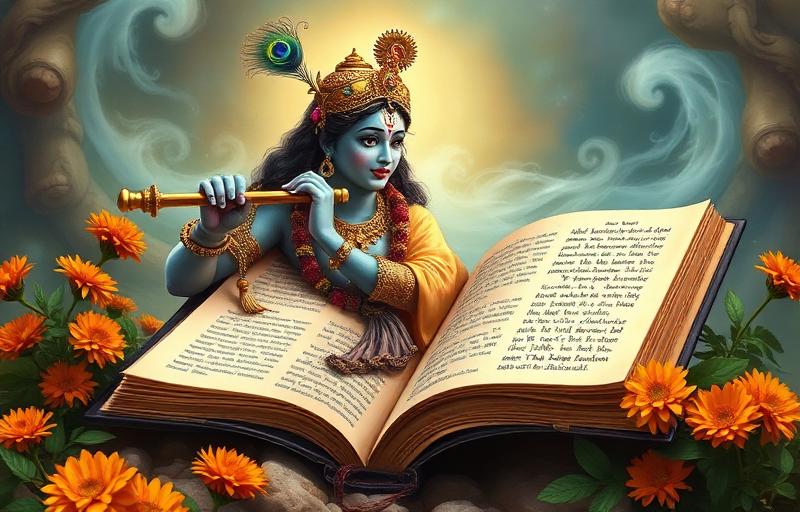
Beyond temple sculpture, the parrot appears frequently in classical Sanskrit and regional poetic traditions as a messenger figure, carrying words of love or longing between separated hearts, much like a living letter. Miniature paintings across Indian courts often show a parrot perched near a heroine, echoing her private thoughts back to the viewer.
This motif of the parrot as confidante and messenger, seen in Andal's verses and in countless folk tales, reflects a broader Hindu appreciation for the beauty and sanctity of spoken word.
What Tradition Says This Teaches
The parrot's symbolism carries a gentle reminder about the power of speech. Because words, once spoken, cannot be unsaid, tradition regards vani as something to be used with as much care as any offering placed before the divine.
Just as the parrot's every word is heard and remembered by those around it, devotees are encouraged to speak sweetly, truthfully and with intention, treating conversation itself as a small daily practice worth taking seriously.
Choosing Words With Care
Carrying the parrot's symbolism into daily life can be as simple as pausing before a sharp reply, or choosing to share a kind word the way Andal shared her heart with her parrot, gently and without holding back.
Honouring speech in this way is an act of faith and love, not a transaction. The parrot's lesson is quiet but constant: what is spoken shapes the world around us just as surely as what is offered in worship.
Reader Questions Answered
Is the parrot Saraswati's vahana?+
No, the swan is traditionally regarded as Saraswati's principal vahana. The parrot's connection to her is thematic rather than iconographic, since its gift for mimicking speech links it to vani, the domain of speech, learning and eloquence that Saraswati presides over.
Why is the parrot associated with Kamadeva?+
The parrot appears as a charming companion figure alongside Kamadeva, the god of love, in classical Hindu iconography and poetry. Its bright colour and swift, graceful flight made it a fitting symbol of the delight and swiftness associated with romantic longing.
What role does the parrot play in Andal's devotional poetry?+
In her Nachiyar Tirumozhi, the Tamil saint-poetess Andal speaks to a parrot as a confidante, expressing her longing for Krishna through it. This tender literary device has made the parrot an enduring symbol of devotion and heartfelt speech in Vaishnava bhakti tradition.
About the author
Pandit Ravindra Sharma · Vedic Rituals & Bhakti, 22+ years
Pandit Ravindra is the Vandnaa editorial team's resident specialist on aarti, chalisa, and daily devotion. He has performed home and temple pujas across Varanasi and Delhi for over two decades and contributes the bhakti-focused articles on this site.
Meet the Vandnaa editorial team →