Why Chant a Mantra the Moment You Wake
The very first thought after sleep colours the mood of the whole day. Hindu tradition uses this tender moment, called pratah smaran (morning remembrance), to turn the mind toward the divine before the world rushes in.
The practice is simple and beautiful: while still in bed, look at your own palms and remember the goddesses and the sacred dwelling within you, then ask Mother Earth's forgiveness before your feet touch the ground. Beginning the day this way fills the heart with gratitude, humility and a calm, auspicious start instead of anxiety or hurry.
Morning Mantras - Shlokas, Transliteration & Meaning
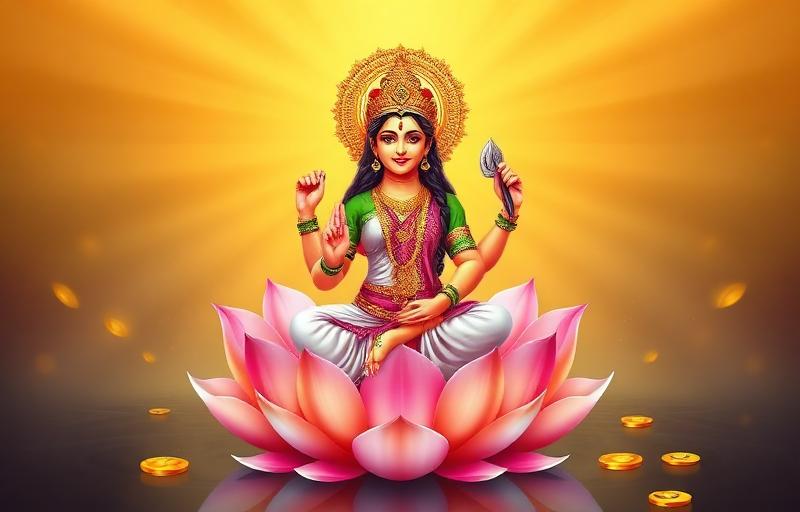
1. Looking at your palms on waking (Karagre Vasate Lakshmi):
कराग्रे वसते लक्ष्मीः करमध्ये सरस्वती । करमूले तु गोविन्दः प्रभाते करदर्शनम् ॥
Karagre Vasate Lakshmih Karamadhye Saraswati, Karamule Tu Govindah Prabhate Karadarshanam.
Meaning: At the tip of the hand dwells Lakshmi, in the middle Saraswati, and at the base Govinda (Vishnu). So in the early morning, one should look at one's own hands.
2. Before placing your feet on the earth (Samudra Vasane Devi):
समुद्रवसने देवि पर्वतस्तनमण्डले । विष्णुपत्नि नमस्तुभ्यं पादस्पर्शं क्षमस्व मे ॥
Samudra-vasane Devi Parvata-stana-mandale, Vishnu-patni Namastubhyam Pada-sparsham Kshamasva Me.
Meaning: O Goddess clothed in the oceans, with mountains for breasts, O consort of Vishnu, salutations to you; please forgive me for the touch of my feet upon you. This is said to Mother Earth before stepping down from bed.
How to Use These Mantras in the Morning
- On waking, stay still: Before reaching for the phone, keep your eyes gently on your open palms.
- Chant Karagre Vasate Lakshmi: Recite it once or thrice, gazing at your hands and remembering the three deities who dwell there.
- Before stepping down: As you are about to put your feet on the floor, chant Samudra Vasane Devi to ask Mother Earth's forgiveness, then step down with your right foot.
- Add a gratitude pause: Thank the divine for the new day and for waking safely.
- Then proceed: Wash, bathe and continue your morning routine or fuller puja. The whole practice takes less than a minute and sets a serene tone.
Benefits of Morning Mantras

- A calm, positive start: The mind turns to the divine before stress and screens take over.
- Gratitude and humility: Remembering Mother Earth and the deities cultivates respect for life and the world.
- A daily anchor: A fixed, simple ritual builds spiritual discipline that is easy to keep.
- Mindfulness: Looking at your palms is a moment of self-awareness, reminding you that the sacred lives within and around you.
- Better mornings: Beginning with peace tends to carry forward, making the rest of the day steadier.
These mantras ask nothing elaborate - just a still moment of remembrance, which over time reshapes how you meet each day.
Quick Answers
What is the Karagre Vasate Lakshmi mantra?+
It is the shloka recited on waking while looking at your palms - 'Karagre Vasate Lakshmih Karamadhye Saraswati, Karamule Tu Govindah Prabhate Karadarshanam.' It honours Lakshmi, Saraswati and Govinda who dwell in the hand.
Why do we look at our palms first thing in the morning?+
Tradition holds that Lakshmi dwells at the fingertips, Saraswati in the middle of the palm, and Govinda at the base. Looking at the hands on waking is a way of beginning the day with the blessings of wealth, knowledge and the divine.
Why do we ask the Earth's forgiveness before stepping down?+
The Samudra Vasane Devi shloka greets the Earth as a goddess and apologises for placing our feet upon her. It cultivates humility and respect for the Earth that supports all life, before the day begins.
Do I need to bathe before chanting these morning mantras?+
No. These two mantras are chanted the moment you wake, even before leaving the bed - before bathing. A full puja is done after bathing, but pratah smaran is meant for that very first waking moment.
About the author
Acharya Vinaya Kapoor · M.A. Sanskrit, Mantra & Stotra Studies
Acharya Vinaya holds an M.A. in Sanskrit from Banaras Hindu University and writes the mantra and stotra commentary on Vandnaa. Her focus is on accurate pronunciation, traditional context, and helping modern readers connect with classical texts.
Meet the Vandnaa editorial team →