Significance of the Mukunda Mala Stotram
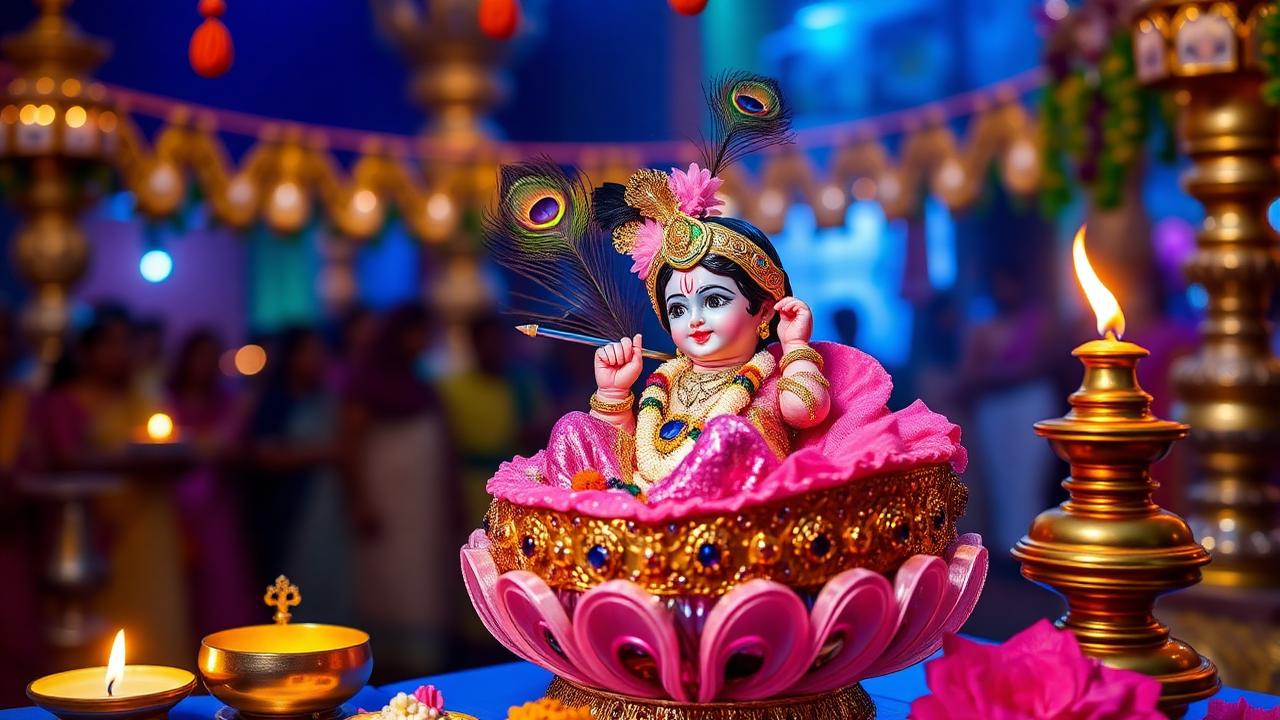
The Mukunda Mala Stotram is a garland (mala) of devotional verses composed by King Kulashekhara, the saint-ruler counted among the twelve Alwar saints of South India. He gave up the cares of his throne for single-minded devotion to Mukunda - a name of Lord Vishnu (Krishna) meaning 'the giver of mukti, liberation'.
The stotram is famous for its tone of complete surrender. Kulashekhara asks for nothing material - not wealth, fame or even heaven. His one prayer is that his mind never forget the lotus feet of the Lord. In one celebrated verse he says that even while he is healthy and his senses are strong, now is the time to remember Krishna, so that the name is firmly on his heart when the final moment comes.
Its central teaching is prapatti - loving surrender - and the conviction that constant remembrance of Mukunda is itself the highest treasure and the surest path to liberation.
Key Verses with Meaning
Opening verse: वन्दे मुकुन्दमरविन्ददलायताक्षं कुन्देन्दुशङ्खदशनं शिशुगोपरूपम्।
Vande Mukundam-aravinda-dalaayataaksham, Kunda-indu-shankha-dashanam shishu-gopa-roopam.
Meaning: I bow to Mukunda, whose eyes are wide like lotus petals, whose teeth shine like jasmine, moon and conch, who appears in the lovely form of the child cowherd.
The famous prayer of remembrance: कृष्ण त्वदीयपदपङ्कजपञ्जरान्तं अद्यैव मे विशतु मानसराजहंसः। प्राणप्रयाणसमये कफवातपित्तैः कण्ठावरोधनविधौ स्मरणं कुतस्ते॥
Krishna tvadiya-pada-pankaja-panjaraantam, Adyaiva me vishatu maanasa-raaja-hamsah, Praana-prayaana-samaye kapha-vaata-pittaih, Kanthaavarodhana-vidhau smaranam kuto te.
Meaning: O Krishna, let the royal swan of my mind enter the cage of your lotus feet this very day - for at the time of death, when the throat is choked and breath is failing, how will I be able to remember you then? So I take refuge in you now.
Benefits of Reciting the Mukunda Mala
- A heart turned toward surrender: The verses gently teach prapatti - to place every burden at the Lord's feet.
- Detachment from craving: Kulashekhara asks for nothing material, and reciting his words loosens the grip of greed and ambition.
- Steady remembrance of Krishna: The prayer to fix the mind on the Lord's feet 'this very day' makes devotion a present, living habit.
- Inner peace and fearlessness: Resting in Mukunda, the giver of liberation, brings calm even in difficulty and at the thought of death.
- A path toward moksha: In the bhakti tradition, sincere remembrance of Mukunda is held to lead the soul toward liberation.
These are traditional spiritual benefits; the stotram is a devotional practice meant to deepen faith and surrender.
How to Recite - Vidhi
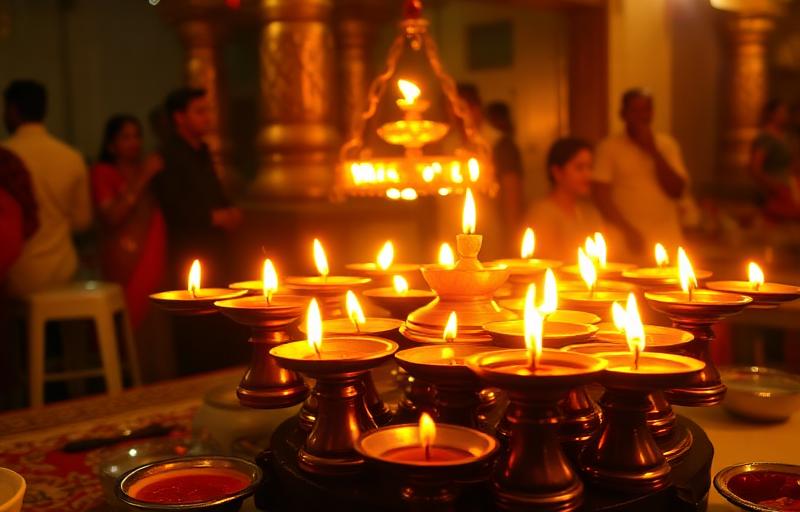
1. Best time: Early morning (brahma muhurta) or at dusk, after a bath, are ideal; the verse on remembering Krishna 'this very day' is especially loved at the close of the day. 2. Before the deity: Sit before an image of Vishnu or Krishna, light a lamp and offer tulsi, which is dear to Vishnu. 3. Recite slowly: Read each verse aloud with its meaning in mind, so that the prayer of surrender enters the heart, not only the lips. 4. Begin with the opening verse: 'Vande Mukundam...' makes a complete short prayer if time is limited. 5. Sit in remembrance: After reciting, sit quietly for a few moments, holding the image of the Lord's lotus feet in the mind. 6. Close with a pranam, offering the recitation to Mukunda and asking only for unbroken remembrance of him.
Frequently Asked Questions
Who wrote the Mukunda Mala Stotram?+
It was composed by King Kulashekhara, a saint-king of South India counted among the twelve Alwar saints. He renounced the cares of his throne for single-minded devotion to Lord Vishnu (Mukunda).
What does the name Mukunda mean?+
Mukunda is a name of Lord Vishnu (Krishna) meaning 'the giver of mukti (liberation)'. By praying to Mukunda, the devotee seeks the Lord who grants freedom from the cycle of birth and death.
What is the most famous verse of the Mukunda Mala?+
The verse 'Krishna tvadiya-pada-pankaja-panjaraantam... adyaiva me' is most loved. In it Kulashekhara prays that his mind enter the cage of Krishna's lotus feet 'this very day', since remembrance may be impossible at the choking moment of death.
What is the main theme of the Mukunda Mala Stotram?+
Its theme is prapatti - loving surrender to the Lord. Kulashekhara asks for nothing material, only that his mind never forget the lotus feet of Mukunda, the giver of liberation.
About the author
Acharya Vinaya Kapoor · M.A. Sanskrit, Mantra & Stotra Studies
Acharya Vinaya holds an M.A. in Sanskrit from Banaras Hindu University and writes the mantra and stotra commentary on Vandnaa. Her focus is on accurate pronunciation, traditional context, and helping modern readers connect with classical texts.
Meet the Vandnaa editorial team →