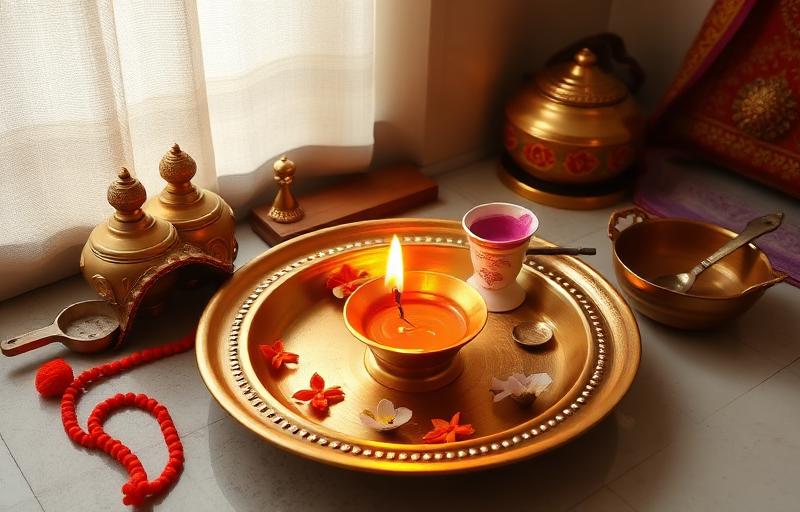
Who Vasuki Is
Vasuki is the king of the nagas, and among the most consequential figures in Hindu narrative who is almost never worshipped as a principal deity. At Daraganj in Prayagraj, he is.
Where he appears:
- He is the rope of the Samudra Manthan, wound around Mount Mandara while the devas and asuras pulled from either end to churn the ocean
- He is the serpent Shiva wears, coiled around his neck, in the most widespread image of Mahadeva
- He is a son of Kadru, and a king among the naga lineages named across the Puranas
- He is invoked in the Nag Panchami observances kept across India
The churning is what the Prayagraj temple is about. In the account the tradition gives, the friction of the churning scorched Vasuki severely, and Vishnu directed him to Prayag to rest and recover on the bank of the Ganga.
What that story does is give a serpent something rarely given to a serpent in devotional narrative: exhaustion, injury and a place to lie down.
Devotees at Daraganj speak of him as one who bore an unbearable strain for a work that benefited everyone else, and who asked for nothing except rest. That framing shapes how he is approached.
The Temple at Daraganj
The Nag Vasuki temple stands at Daraganj, on the bank of the Ganga in Prayagraj, upstream of the Sangam.
What you find:
- The murti of Vasuki, in reclining serpent form, in the sanctum
- Shrines to Bhaironath, Shiva and other deities within the complex, as is usual in an old riverside temple
- A location that puts it on the Ganga bank, with steps down to the river
- A structure rebuilt over time, as almost every riverside temple in Prayagraj has been
The temple is old and holds a specific place in the local pilgrimage geography. Prayagraj's tradition holds that the Prayag yatra is incomplete without darshan of Nag Vasuki, and the temple is included in the circuit that pilgrims follow around the Sangam.
That circuit typically includes:
- The Sangam itself, for snan
- Akshayavat, the imperishable banyan
- Bade Hanuman ji, the reclining Hanuman near the Sangam
- Nag Vasuki at Daraganj
- Alopi Devi and the other Devi shrines of the city
During Magh Mela and the Kumbh, when the city fills with pilgrims, Daraganj is one of the busiest quarters, since it sits between the Sangam and the main approach from the city.
Nag Panchami at Vasuki's Temple
Nag Panchami, in the bright fortnight of Shravan, is the temple's principal festival, and Daraganj holds a large mela.
What happens:
- Enormous queues for darshan, with devotees waiting through the day
- Offerings of milk, lotus and flowers, and dhoop at the shrine
- A mela filling the lanes around the temple, with stalls, sweets and the ordinary commerce of a north Indian fair
- Families bringing children, since Nag Panchami is widely kept as a household observance for protection
What devotees ask for is consistent with the deity:
- Protection from snakes, particularly in villages and during the monsoon when snake encounters rise
- Relief from sarpa related afflictions in the family, which many households frame in traditional terms
- Family wellbeing generally, since the naga is a protector of the household in a great deal of folk practice
One practical and important note. Snakebite is a medical emergency. Devotional practice for protection runs alongside medical care and never in place of it. Any suspected bite needs immediate hospital treatment and antivenom, and the tradition's own emphasis on protection is best honoured by treating prevention and prompt treatment as part of it.
Nagas in the Tradition
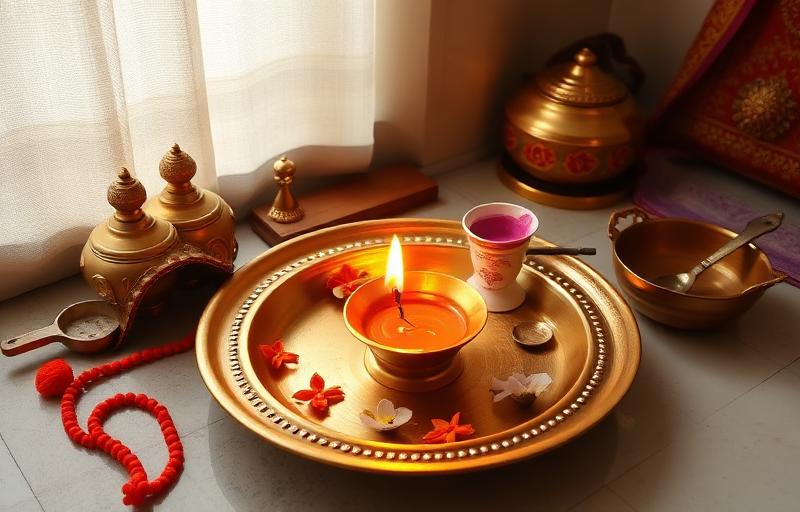
Vasuki belongs to a category of beings who are neither deities in the ordinary sense nor demons, and who occupy a great deal of space in Hindu practice.
- Shesha or Ananta, on whom Vishnu reclines, the endless one who holds the worlds
- Vasuki, the king of the nagas and the rope of the churning
- Takshaka, whose story runs through the Mahabharata's frame narrative
- Kaliya, subdued by Krishna in the Yamuna
- Manasa, the naga goddess of Bengal, Bihar and Assam, with her own major traditions
- The countless village nag devtas worshipped at anthills, under trees and at field boundaries across India
What runs through all of it is a relationship of respect rather than affection. The naga is powerful, is not to be offended, protects those who honour him and is closely tied to water, to the earth and to fertility.
This is also why naga worship is so widespread in agricultural society. Snakes live in fields, in grain stores and near water. A tradition that teaches respect and non harm toward them is doing something practical as well as devotional.
At Prayagraj, where the Ganga, the Yamuna and the tradition of the invisible Saraswati meet, the presence of the naga king on the bank fits the place. Water, depth and what lies beneath the surface are the region's whole subject.
Where It Fits in the Prayag Pilgrimage
Prayagraj is a pilgrimage city with a defined internal geography, and Nag Vasuki is one of its fixed points.
The main elements:
- The Triveni Sangam, the confluence of the Ganga and Yamuna with the tradition of the Saraswati, where snan is the central act
- Akshayavat, the banyan within the fort, held to be imperishable
- Bade Hanuman ji, the large reclining Hanuman near the Sangam
- Nag Vasuki at Daraganj
- Alopi Devi, Kalyani Devi and Lalita Devi, the Devi shrines of the city
- Mankameshwar, on the Yamuna bank
The city's great gatherings are the Magh Mela each year, the Kumbh and the Maha Kumbh in their cycles, when the sands between the rivers become a temporary city of enormous scale.
For an ordinary visit outside those periods, the whole circuit can be done in a day, and it is far more pleasant without the crowds.
A suggested order, moving along the river:
- Early morning snan at the Sangam
- Bade Hanuman ji, which is close by
- Nag Vasuki at Daraganj
- The Devi shrines in the city through the afternoon
Boatmen at the Sangam are licensed, rates should be agreed before boarding, and it is worth confirming what the fare covers.
Visiting the Temple
Practical notes.
Getting there
- Daraganj is in Prayagraj, on the Ganga bank upstream of the Sangam
- Prayagraj Junction and Daraganj station serve the city, and autos run everywhere
- The temple is a short distance from the Sangam approach, and can be combined with it easily
When to go
- Nag Panchami in Shravan is the largest occasion, with a mela and very long queues
- Shravan Mondays bring heavy footfall, as at every Shiva linked shrine
- Magh Mela and Kumbh periods fill the whole quarter
- An ordinary morning is calm and is the best time for an unhurried darshan
At the temple
- Offerings are simple: milk, flowers, dhoop
- Remove footwear, dress modestly, and follow the queue arrangements during festivals
- The river steps are used for snan, and the usual river cautions apply, since the Ganga at Prayagraj has strong currents and deep water close to the bank
A final thought on why the shrine is worth the detour. Prayagraj's fame rests on the meeting of rivers, and almost everyone comes for the water. Daraganj asks you to remember the one who held the rope while everyone else pulled, and who was given a bank to rest on when the work was done.
Frequently Asked Questions
Who is Nag Vasuki?+
Vasuki is the king of the nagas, the serpent used as the rope around Mount Mandara during the Samudra Manthan, and the serpent Shiva wears around his neck. At Daraganj in Prayagraj he is worshipped as the principal deity of his own temple.
Why is his temple at Prayagraj?+
The tradition holds that the friction of the churning scorched Vasuki badly, and that Vishnu directed him to Prayag to rest and recover on the bank of the Ganga. The temple at Daraganj marks that place.
When is the temple's main festival?+
Nag Panchami, in the bright fortnight of Shravan, when a large mela fills the lanes around the temple and devotees queue through the day with offerings of milk, lotus and flowers.
Is Prayag yatra incomplete without Nag Vasuki darshan?+
The local tradition holds this, and the temple is part of the circuit pilgrims follow around the Sangam along with Akshayavat, Bade Hanuman ji and the Devi shrines of the city.
What do devotees ask Vasuki for?+
Protection from snakes, particularly in villages and during the monsoon, relief from what households describe as sarpa related afflictions, and family wellbeing generally. Snakebite itself is a medical emergency needing immediate hospital treatment and antivenom.
Where exactly is the temple?+
At Daraganj in Prayagraj, on the bank of the Ganga upstream of the Sangam, a short distance from the Sangam approach. Prayagraj Junction and Daraganj station both serve the area and autos run through the city.
About the author
Pandit Ravindra Sharma · Vedic Rituals & Bhakti, 22+ years
Pandit Ravindra is the Vandnaa editorial team's resident specialist on aarti, chalisa, and daily devotion. He has performed home and temple pujas across Varanasi and Delhi for over two decades and contributes the bhakti-focused articles on this site.
Meet the Vandnaa editorial team →Explore on Vandnaa
Related Articles
Gogaji Jaharveer: The Serpent Deity of Rajasthan Worshipped From Churu to Punjab
9 min read
Bihula Bishahari: The Anga Katha of a Bride Who Argued With the Gods
9 min read
Neelkanth Mahadev: How Shiva Drank the Poison of Samudra Manthan
7 min read
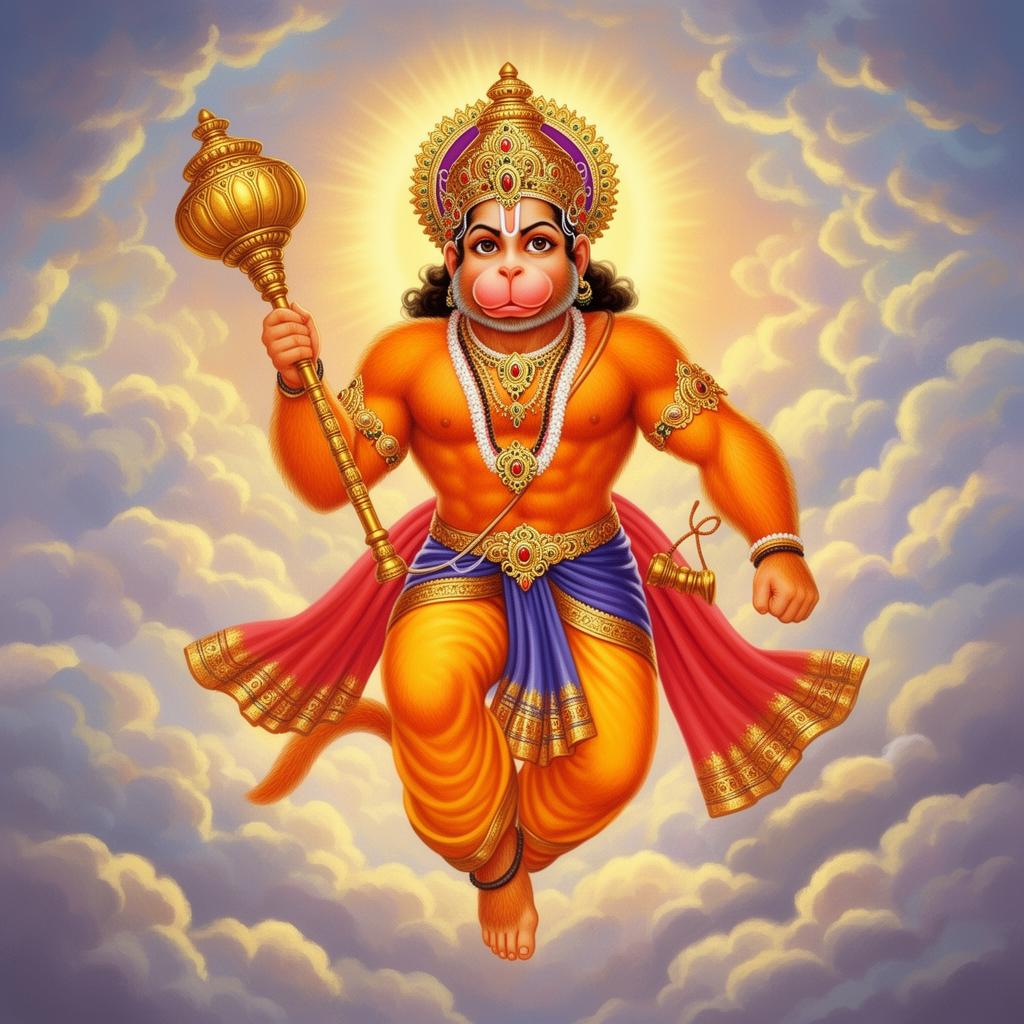
Bade Hanuman ji of Prayagraj: The Hanuman Who Lies Down and Is Bathed by the Ganga
8 min read