Naimisharanya - The Holiest Forest of Sanatan Tradition
Naimisharanya (also written Neemsar or Nimsar), in Sitapur district of Uttar Pradesh, holds a place no other tirtha can claim: it is the forest where the scriptures themselves were given to humanity. The Puranas open here, on this very ground, with assemblies of rishis seeking truth at the start of Kali Yuga. The name derives from nimisha, the blink of an eye, recalling how the rim of Brahma's wheel came to rest here in a moment, or how Vishnu destroyed an army of asuras within the blink of an eye. Either way, the tradition is unanimous that this quiet stretch of groves, kunds and temples along the Gomti river is saturated with the presence of all tirthas. Pilgrims say that what one earns through long sadhana elsewhere ripens quickly in Naimish, the field where even hearing a katha counts as yagna.
Where Suta Narrated the Puranas to 88,000 Rishis
The defining glory of Naimisharanya is scriptural. As Kali Yuga began, 88,000 rishis led by Shaunaka gathered here for a sattra (long yagna) lasting, by tradition, a thousand years, and asked Suta Goswami, disciple of Vyasa, to recite the wisdom he had received. From those assemblies flowed the Puranas, including the Srimad Bhagavatam as we receive it, along with recitations of the Mahabharata and other shastras. This is why so many texts open with the words Naimishe' nimisha-kshetre: the scriptures themselves cite this forest as their birthplace into the world of listeners. For devotees of the eighteen Mahapuranas, a visit here is like visiting the lecture hall of the rishis. Even today, katha mandaps across Naimish host continuous Bhagavat and Ram katha, keeping an unbroken thread with that first assembly.
Chakra Tirth - Where Brahma's Wheel Came to Rest
At the centre of Naimisharanya lies Chakra Tirth, a striking circular kund of clear water fed by underground springs. The katha goes that when the rishis asked Brahma where they should perform tapasya in Kali Yuga, he released his manomaya chakra (mind-born wheel) and told them to settle wherever its rim (nemi) fell. The wheel rolled across the earth and its centre pierced the ground here, releasing an inexhaustible spring; the place of the nemi became Naimisharanya. Pilgrims take a snan in Chakra Tirth as the first act of their yatra, believing the waters carry the sanctity of all tirthas. The kund's perfectly round form, ringed by ghats and temple spires, makes it one of the most distinctive sacred tanks in India. Local tradition holds its depth has never been conclusively measured.
Lalita Devi Shakti Peetha - The Mother Who Guards the Forest
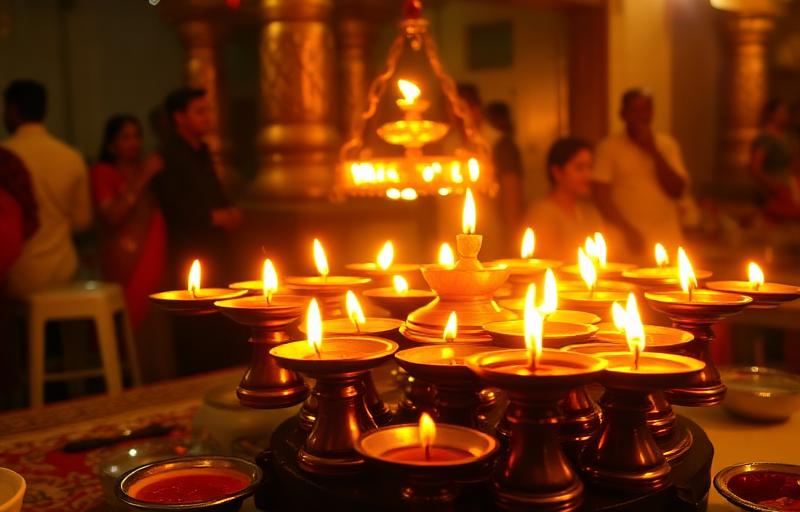
Steps away from Chakra Tirth stands the temple of Lalita Devi, revered as a Shakti Peetha: tradition holds that Sati's heart fell here (some accounts say another part), making the Devi the eternal guardian of the kshetra. Lalita, the playful and gracious one, is among the most exalted names of the Goddess, celebrated in the Lalita Sahasranama. Pilgrims customarily offer darshan to Lalita Devi right after the Chakra Tirth snan, completing the pairing of tirtha and Shakti that marks great kshetras. The temple hums with devotees offering chunari and coconut, and during Navratri the courtyard fills with jagran and devi-geet. The presence of a Shakti Peetha within the foremost Vaishnava katha-bhumi is itself a teaching: in Naimish, Shakti, Vishnu and the rishis' jnana sit together as one undivided dharma.
Vyas Gaddi, Hanuman Garhi and Other Sacred Sites
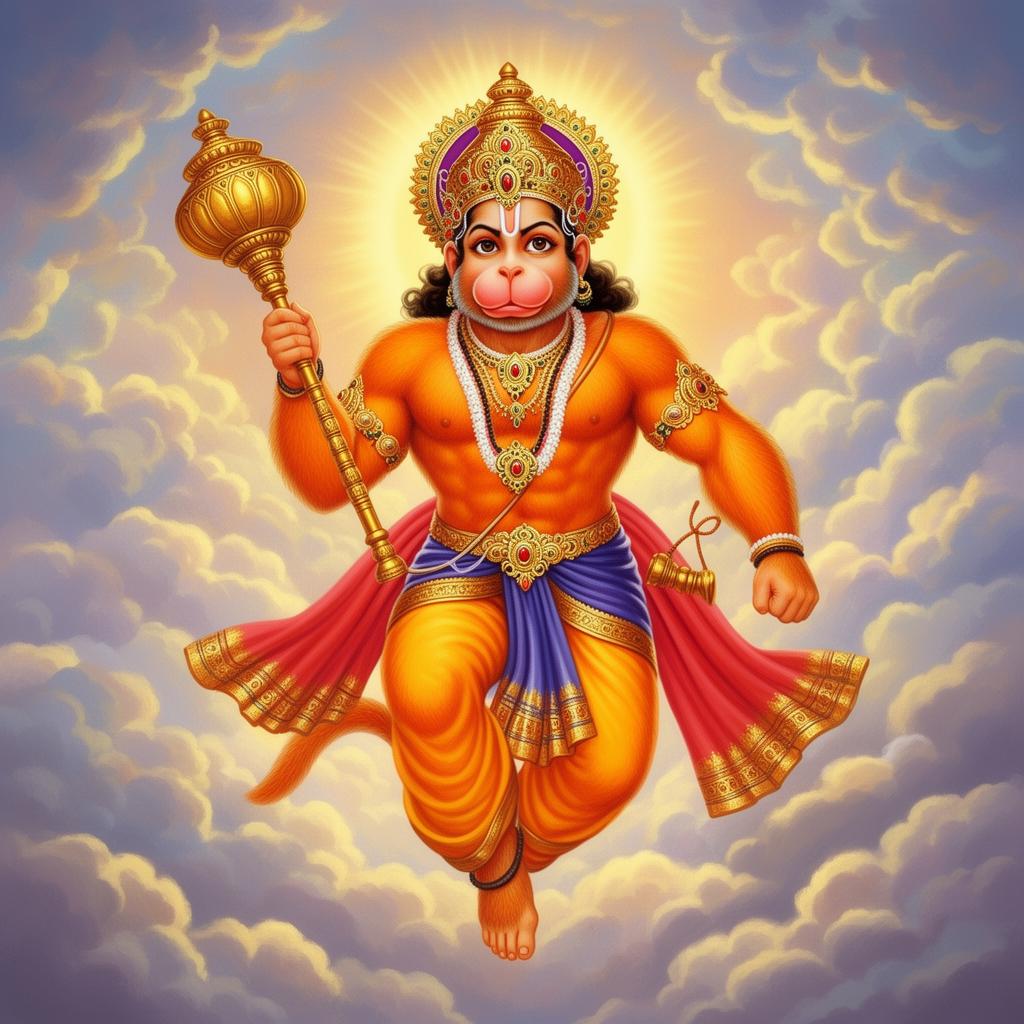
Vyas Gaddi marks the seat where Ved Vyasa is believed to have organised the Vedas and taught his disciples, shaded by an ancient vat (banyan) tree under which pilgrims sit for a few minutes of japa, a moving experience for anyone who loves the shastras. Nearby are Suta Gaddi, honouring the great narrator, and Manu-Satrupa sthal, where the first human pair performed tapasya and received the boon that the Lord would be born as their son, fulfilled as Ram. Hanuman Garhi enshrines a towering Hanuman, here depicted carrying Ram and Lakshman on his shoulders after rescuing them from Ahiravan in patal lok, a form rarely seen elsewhere. Dashashwamedh Ghat on the Gomti recalls yagnas of old. Together these sites make Naimish a compact, walkable treasury of the whole Sanatan story.
The 84-Kosi Parikrama and Why Naimish Is the Tirtha of Kali Yuga
Each year in the month of Phalgun, lakhs of pilgrims undertake the 84-kosi parikrama of the Naimish kshetra, a multi-day circumambulation through villages and halting places linked to rishis and devatas. The number 84 evokes the 84 lakh yonis of samsara; completing the circuit is held to ease the soul's long journey through them. Many devotees do a shorter panchkosi parikrama of the inner kshetra instead. The scriptures repeatedly single out Naimisharanya for our age: when sages asked where dharma could still be practised as Kali Yuga darkened, the answer pointed here, where hearing and chanting the Lord's katha, the yuga-dharma of Kali, was first established. That is why elders say the true darshan of Naimish is not any single shrine but sitting in a katha, doing what the 88,000 rishis came here to do.
How to Reach Naimisharanya and Pilgrim Tips

Naimisharanya lies in Sitapur district, roughly 90-100 km from Lucknow, the most convenient gateway with its airport and major railway junction. By rail, the small Naimisharanya (Nimsar) station on the Lucknow-Sitapur branch line is served by passenger trains, though most pilgrims find buses and taxis from Lucknow or Sitapur (about 35-40 km) faster and easier. By road, regular UP roadways buses run via Sidhauli on the Lucknow-Sitapur highway. Tips: begin at Chakra Tirth with a snan and sankalp, then take darshan of Lalita Devi before the other sites; the core kshetra is compact, so keep half a day for unhurried walking; e-rickshaws connect the outlying sthals; dharamshalas and ashrams offer simple stays, especially around katha seasons; and carry a Gita or pothi, for Naimish is above all a place to read, hear and remember.
Common Questions From Devotees
Why is Naimisharanya considered the foremost tirtha of Kali Yuga?+
The Puranas record that when rishis asked where dharma could be practised in Kali Yuga, they were directed to Naimisharanya. It is where hearing and chanting the Lord's katha, the yuga-dharma of this age, was first established, and where the Puranas themselves were narrated.
Who narrated the Puranas at Naimisharanya and to whom?+
Suta Goswami, the disciple of Ved Vyasa, narrated the Puranas, including the Srimad Bhagavatam, to an assembly of 88,000 rishis led by Shaunaka, who had gathered at Naimisharanya for a long yagna at the start of Kali Yuga.
What is the story of Chakra Tirth?+
Brahma released his mind-born wheel and told the rishis to settle where its rim (nemi) fell. The wheel's centre pierced the earth here, releasing a perennial spring that became the circular Chakra Tirth kund, and the kshetra was named Naimisharanya after the nemi.
Is there a Shakti Peetha at Naimisharanya?+
Yes. The Lalita Devi temple near Chakra Tirth is revered as a Shakti Peetha, where tradition holds that Sati's heart fell. Pilgrims customarily take darshan of Lalita Devi immediately after their snan in Chakra Tirth.
What is the 84-kosi parikrama of Naimisharanya?+
It is a multi-day circumambulation of the wider Naimish kshetra undertaken every year in the month of Phalgun, passing through halting places linked to rishis and devatas. Completing it is believed to ease the soul's journey through the 84 lakh yonis of samsara.
How do I reach Naimisharanya from Lucknow?+
Naimisharanya is roughly 90-100 km from Lucknow in Sitapur district. Buses and taxis run via Sidhauli on the Lucknow-Sitapur highway, and passenger trains serve the small Naimisharanya station on the branch line. Lucknow has the nearest airport and major rail junction.
About the author
Pandit Ravindra Sharma · Vedic Rituals & Bhakti, 22+ years
Pandit Ravindra is the Vandnaa editorial team's resident specialist on aarti, chalisa, and daily devotion. He has performed home and temple pujas across Varanasi and Delhi for over two decades and contributes the bhakti-focused articles on this site.
Meet the Vandnaa editorial team →