What Does Namaste Mean?
Namaste comes from the Sanskrit namah (I bow) and te (to you) - literally 'I bow to you'. It is offered with palms pressed together at the heart in the anjali mudra, often with a gentle bow of the head.
Pranam (from pra + nam, to bow well) and namaskar are related forms of reverent greeting. Far from a casual hello, Namaste is a recognition of the sacred presence within the other person - a greeting of soul to soul.
The Spiritual Significance
The deeper meaning of Namaste is beautifully expressed as 'the divine in me bows to the divine in you'. It rests on the belief that the same one consciousness, the Atman, shines in every being.
- Honouring the divine in all: By bowing, we acknowledge that God dwells in each person, regardless of who they are.
- Dissolving the ego: Folding the hands and bowing the head is a posture of humility, softening pride and the sense of separateness.
- Uniting the two hands: Joining the palms is seen as uniting the right and left, the giver and receiver, bringing the self into balance at the heart.
- A greeting without touch: It conveys warmth and respect while keeping a graceful purity, which is why it is offered to elders, guests and the divine alike.
How to Offer Namaste and Pranam
- Anjali mudra: Press the palms together with fingers pointing up, thumbs lightly touching the chest, and hold the hands at the heart centre.
- Bow gently: Lower the head a little as you say Namaste or Namaskar, with a calm and respectful gaze.
- For elders - charan sparsh: Pranam to elders is often deepened by touching their feet (charan sparsh) and receiving their blessing.
- Before the deity: Hands may be raised to the forehead or above the head when greeting the divine in a temple or at the home altar.
- The inner feeling matters most: A Namaste offered with genuine respect carries far more than a perfect posture done absentmindedly.
Why This Greeting Endures
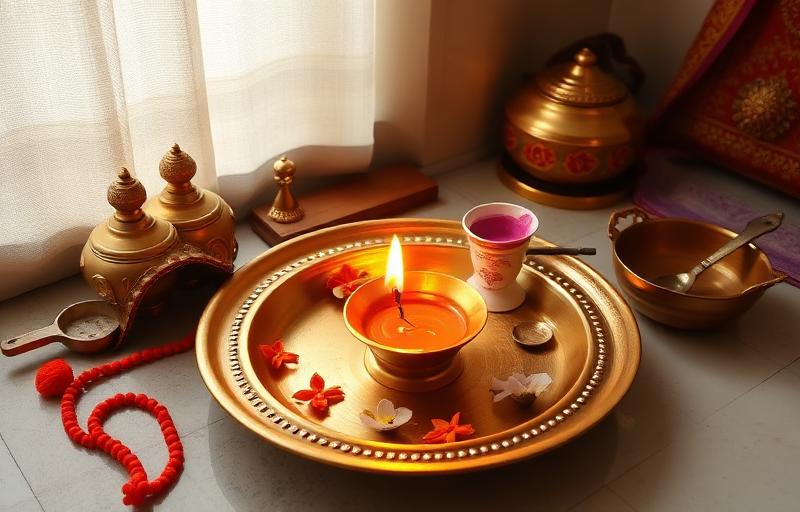
Namaste endures because it carries a whole worldview in a single gesture: all life is sacred, and meeting another is meeting the divine.
It asks nothing and gives much - no contact, no words even, just two hands and a bowed head that say I see the light in you. In a hurried world it remains a quiet teacher of humility and respect, reminding us that every person we meet is, in some hidden way, holy.
To greet with Namaste is to begin every meeting from reverence rather than ego - and that, repeated through a life, gently shapes a gentler heart.
Frequently Asked Questions
What is the literal meaning of Namaste?+
Namaste comes from the Sanskrit namah (I bow) and te (to you), meaning 'I bow to you'. Its deeper sense is 'the divine in me bows to the divine in you', honouring the sacred presence in every person.
What is the difference between Namaste, Namaskar and Pranam?+
All three are forms of reverent greeting with folded hands. Namaste and Namaskar are everyday respectful greetings, while Pranam often expresses deeper reverence, especially to elders and the divine, and may include touching the feet.
Why are the hands joined at the heart in Namaste?+
Joining the palms in anjali mudra at the heart is seen as uniting the two sides of oneself and bringing the self into balance. Holding it at the heart centre expresses that the greeting comes from love and sincerity, not just the mind.
Is Namaste only a greeting or does it have spiritual meaning?+
It is both. While it works as a warm greeting, its spiritual meaning is to bow to the divine consciousness present in the other person. It is offered to people, elders, guests and the deity alike, all seen as forms of the same divine.
About the author
Anjali Mehta · Editor, M.A. Religious Studies
Anjali is the managing editor for Vandnaa and oversees the festival and vrat coverage. She holds an M.A. in Religious Studies and reviews every published article for accuracy, accessibility, and tradition-fidelity.
Meet the Vandnaa editorial team →