The Custom of Avoiding Certain Days
In many Hindu households there is a long-held custom of not cutting nails and hair, or shaving, on certain days of the week and on particular tithis. Most commonly these are Tuesday (Mangalwar), Thursday (Guruvar) and Saturday (Shanivar), along with days like Amavasya, Purnima, Ekadashi and festival days.
This is a matter of traditional belief and family custom, passed down through generations. It is not a rule of compulsion, and practices vary from region to region and family to family.
The Belief Behind Each Day
Each weekday is linked with a deity or planet, and the customs grew from honouring that connection:
- Tuesday (Mangalwar): Dedicated to Hanuman ji and the planet Mangal. It is considered a day for devotion and restraint, so grooming is avoided as a mark of respect.
- Thursday (Guruvar): Dedicated to Guru (Brihaspati) and Lord Vishnu. Cutting hair or nails is traditionally avoided as it is believed to disturb the blessings of the guru and prosperity (Lakshmi).
- Saturday (Shanivar): Dedicated to Shani Dev. Many avoid grooming to not invite Shani's displeasure and to keep the day for prayer.
- Special tithis: Amavasya, Purnima, Ekadashi, festival days and days of ancestor remembrance (Shraddha) are kept clean of such activities out of reverence.
Days Traditionally Considered Suitable
By tradition, Wednesday (Budhwar) and Friday (Shukrawar) are often considered suitable for cutting nails and hair, and some include Monday as well.
- Wednesday: Linked with Budh, associated with intellect and growth.
- Friday: Linked with Shukra and Goddess Lakshmi, associated with beauty and prosperity.
As with the days to avoid, this is a matter of custom rather than rule. Many families follow what their elders taught and what the local panchang suggests. If a day is otherwise inauspicious in the panchang, that note takes precedence.
The Wisdom Within the Custom
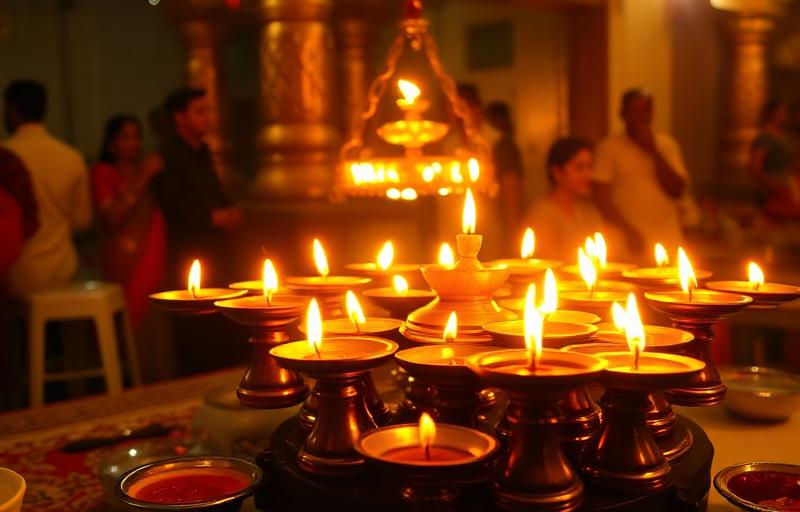
Whatever the day, the custom carries a gentle inner message: certain days are set apart for the divine, and on them the mind is kept on worship rather than on the body and grooming.
Days of fasting, festivals and ancestor remembrance are meant for inner focus. Setting aside vanity and routine self-care on those days is a small way of saying, today my attention belongs to God and to my elders. Beyond any belief about luck, the heart of the practice is reverence - giving sacred time its own pure space.
This remains a traditional belief, and Vandnaa shares it as part of cultural understanding, not as a binding rule.
Quick Answers
On which days are nails and hair traditionally not cut?+
Most commonly Tuesday, Thursday and Saturday are avoided, along with Amavasya, Purnima, Ekadashi, festival days and Shraddha days. Practices vary by region and family.
Why is hair not cut on Thursday?+
Thursday is dedicated to Guru (Brihaspati) and Lord Vishnu. By traditional belief, cutting hair or nails on this day is avoided as it is thought to disturb the blessings of the guru and the prosperity of Goddess Lakshmi.
Which days are considered suitable for cutting nails and hair?+
Wednesday and Friday are traditionally considered suitable, and some include Monday. Wednesday is linked with Budh and Friday with Shukra and Goddess Lakshmi. Always check the local panchang for any inauspicious note.
Is this a strict rule or a belief?+
This is a traditional belief and family custom, not a binding rule of compulsion. Practices differ across regions and families, and many follow what their elders and the panchang suggest. Vandnaa shares it as cultural understanding.
About the author
Pandit Ravindra Sharma · Vedic Rituals & Bhakti, 22+ years
Pandit Ravindra is the Vandnaa editorial team's resident specialist on aarti, chalisa, and daily devotion. He has performed home and temple pujas across Varanasi and Delhi for over two decades and contributes the bhakti-focused articles on this site.
Meet the Vandnaa editorial team →