What Is Vibhuti or Bhasma?
Vibhuti (meaning 'glory' or 'divine power') and bhasma (meaning 'sacred ash') are the holy ash that Shiva devotees apply to the forehead and body. It is traditionally made from the ash of sacred fires (homa/yagna) or from cow dung cakes burned in a pure way, sometimes blended with sacred substances.
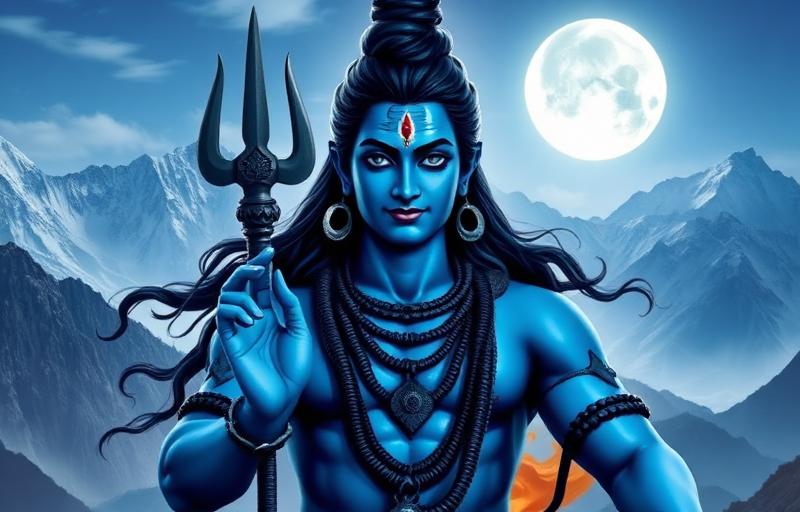
Applied in three horizontal lines across the forehead, called the tripundra, it is the most recognised mark of a devotee of Lord Shiva, who is himself often shown smeared with ash.
Why Do Shiva Devotees Apply It?
Bhasma is far more than a mark - it carries one of the deepest teachings of Shaiva tradition.
- A reminder of impermanence: Ash is what remains when everything is burned away. Wearing it reminds the devotee that the body and the world are temporary, and only the eternal Shiva-consciousness endures.
- Burning away impurity: Just as fire reduces all to pure ash, bhasma symbolises the burning of ego, desire and ignorance, leaving the soul pure.
- The mark of Shiva: Lord Shiva, the great ascetic, smears himself with ash to show his detachment from worldly things. The devotee wears it to share in that spirit of renunciation.
- A blessing of grace: Receiving and wearing vibhuti is felt as receiving Shiva's blessing and protection, a touch of the divine on the body.
The Three Lines - Tripundra
The tripundra - three horizontal lines of bhasma - is rich with meaning. By tradition the three lines represent:
- The three gunas: sattva, rajas and tamas, which the devotee seeks to transcend.
- The three aspects of the divine and the threefold power of Shiva.
- The three sacred fires and the three syllables of the pranava (Om).
A red dot or a sandalwood mark is sometimes placed in the centre. The horizontal lines, drawn across the brow, are distinctively associated with Shiva worship, just as the vertical urdhva pundra is associated with Vishnu worship.
How and When It Is Applied
- With the right hand: Vibhuti is taken on the fingers and applied in three lines across the forehead, often with a mantra such as Om Namah Shivaya.
- After worship and bath: It is commonly applied after a morning bath and puja, and after receiving it as prasad at a Shiva temple.
- On forehead, throat, arms, chest: Some devotees apply the tripundra on several parts of the body, following their tradition.
- As temple prasad: At many Shiva shrines, vibhuti is given to devotees as blessed prasad. The famous Bhasma Aarti at Ujjain's Mahakaleshwar is performed with sacred ash.
- With reverence: It should be applied with a clean hand and a devotional mind, treated as sacred and never carelessly.
Quick Answers
What is the difference between vibhuti and bhasma?+
Both refer to the sacred ash worn by Shiva devotees. Vibhuti means 'divine glory or power' and bhasma means 'sacred ash'. The terms are often used interchangeably for the holy ash applied as the tripundra.
What do the three lines of vibhuti mean?+
The three horizontal lines, called tripundra, traditionally represent the three gunas (sattva, rajas, tamas), the threefold power of Shiva, and the three sacred fires. The devotee wears them aspiring to rise above the gunas.
Why does Lord Shiva smear himself with ash?+
As the great ascetic, Lord Shiva wears ash to show his complete detachment from the material world and the impermanence of all things. Ash is what remains when everything is burned away, symbolising the eternal beyond the temporary.
When should vibhuti be applied?+
Vibhuti is commonly applied after a morning bath and puja, and after receiving it as prasad at a Shiva temple. It should be applied with a clean right hand and a devotional mind, often while chanting Om Namah Shivaya.
About the author
Acharya Vinaya Kapoor · M.A. Sanskrit, Mantra & Stotra Studies
Acharya Vinaya holds an M.A. in Sanskrit from Banaras Hindu University and writes the mantra and stotra commentary on Vandnaa. Her focus is on accurate pronunciation, traditional context, and helping modern readers connect with classical texts.
Meet the Vandnaa editorial team →