Why the Neem Tree Is Sacred
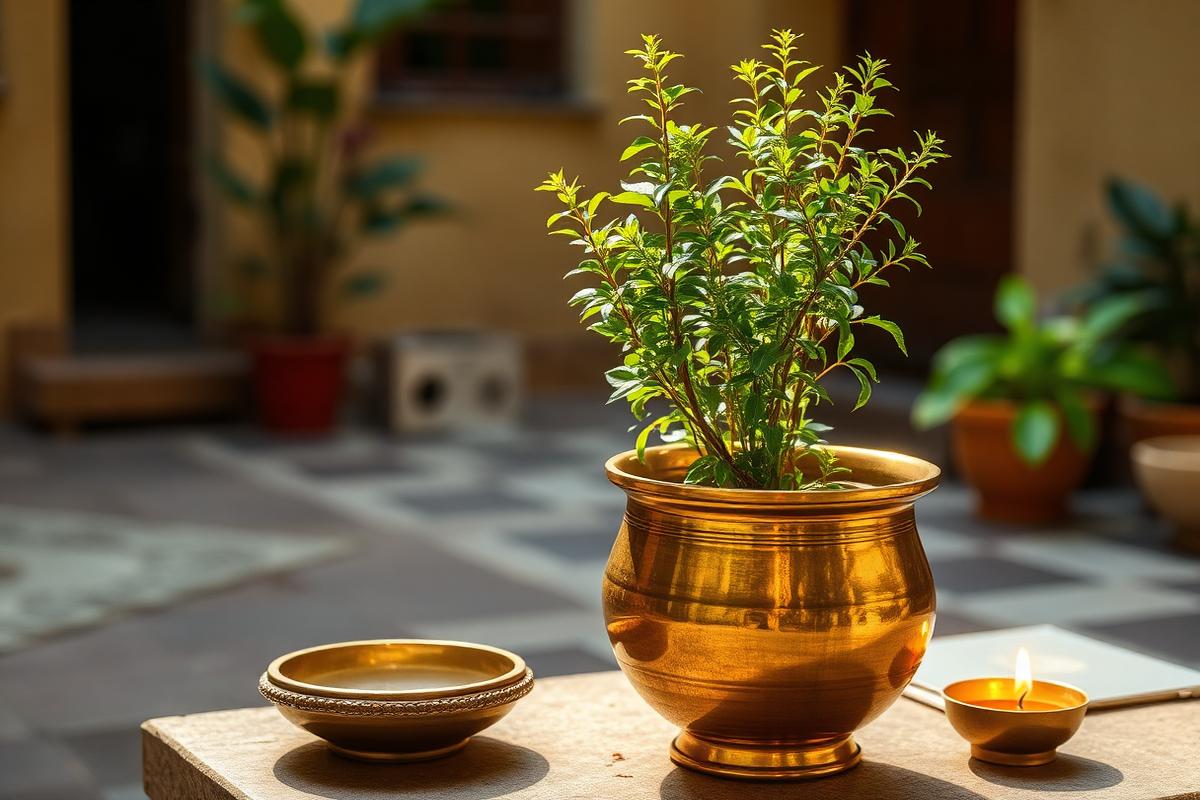
The neem tree (Azadirachta indica) is one of the most revered trees in Hindu tradition - honoured both for its spiritual sanctity and its remarkable healing properties. Every part of the neem, from leaf to bark, has long been used in Ayurveda, and its cooling, purifying nature made it sacred in the eyes of our ancestors.
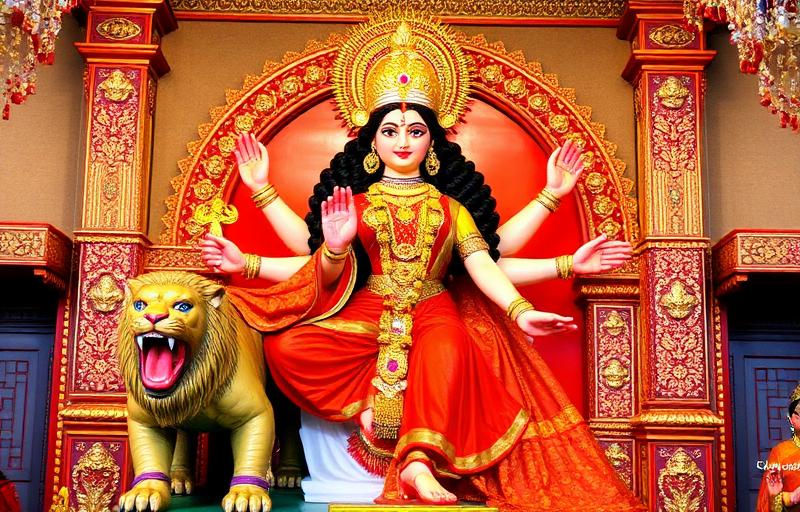
In spiritual belief, the neem is closely associated with the Divine Mother (Shakti), especially Shitala Mata, the goddess who protects from heat-borne illnesses, and forms of Durga. In many parts of India, the neem is regarded as a living form of the Goddess herself, and its presence near a home or temple is seen as protective and auspicious. It is a beautiful example of how our tradition honours nature as divine.
The Goddess Connection & Customs
- Shitala Mata and neem: Goddess Shitala, worshipped for protection from fevers and pox, is strongly linked with neem. Its leaves are used in her worship, and their natural cooling, antiseptic quality reflects her role as the giver of coolness and healing.
- Neem as Durga: In several regions, the neem tree is worshipped as a form of Durga or the village Mother goddess (Gram Devi), with a red cloth, kumkum and threads tied around its trunk.
- During Navratri and festivals: Neem leaves are used in purification, and in some traditions people eat tender neem leaves (as on Gudi Padwa / Ugadi) to symbolise accepting life's bitter and sweet with equanimity.
- Protective presence: Neem is often planted near homes and temples, believed to purify the air and ward off negativity, and its wood and leaves are used in various rituals.
- Under the neem: Sitting or meditating under a neem is considered calming and health-giving, and some village shrines to the Mother are set beneath old neem trees.
Spiritual & Practical Benefits
The reverence for neem beautifully unites the spiritual and the practical:
- Purity and protection: Worshipping and keeping neem is believed to purify the surroundings and guard against negativity and disease.
- The Mother's blessings: Devotees offer prayers at the neem for the health of children and the family, seeking the grace of Shitala Mata and Durga.
- Healing wisdom: Neem's use in Ayurveda - for the skin, teeth (neem twigs as datun), and general well-being - shows how our ancestors wove health into worship.
- A lesson in equanimity: Eating bitter neem at the new year teaches acceptance of life's bitter and sweet alike, a gentle spiritual teaching.
- Care with respect: As with all sacred trees, neem is treated with reverence - not cut needlessly, and honoured as a giver of shade, medicine and blessings.
These customs are matters of faith and traditional wisdom. For any illness, proper medical care remains essential alongside prayer.
What People Ask Most
Why is the neem tree considered sacred in Hinduism?+
The neem is revered for both its spiritual sanctity and healing properties. It is closely linked to the Divine Mother, especially Shitala Mata and forms of Durga, and in many regions is regarded as a living form of the Goddess. Its cooling, purifying nature makes it protective and auspicious near homes and temples.
Which goddess is associated with the neem tree?+
Neem is especially associated with Shitala Mata, the goddess who protects from fevers and pox, whose worship uses neem leaves. It is also worshipped as a form of Durga or the village Mother goddess in many regions, with cloth, kumkum and threads tied around its trunk.
Why do people eat neem leaves on the new year?+
On festivals like Gudi Padwa and Ugadi, people eat tender neem leaves (often with jaggery) to symbolise accepting life's bitter and sweet experiences alike with equanimity. It is a gentle spiritual teaching, and neem's cleansing quality is also valued for health at the season's change.
About the author
Pandit Ravindra Sharma · Vedic Rituals & Bhakti, 22+ years
Pandit Ravindra is the Vandnaa editorial team's resident specialist on aarti, chalisa, and daily devotion. He has performed home and temple pujas across Varanasi and Delhi for over two decades and contributes the bhakti-focused articles on this site.
Meet the Vandnaa editorial team →