Neem: A Tree Devotees Call Sacred and Purifying
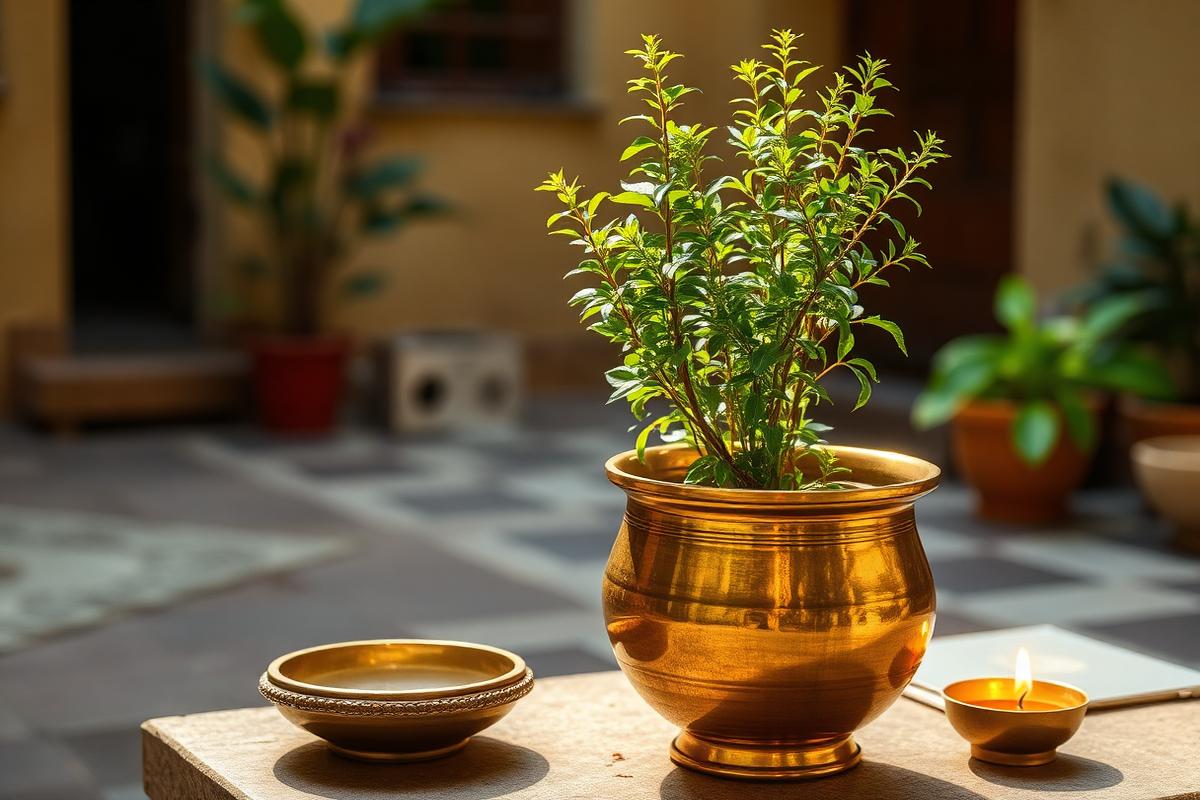
The neem tree, known for its bitter leaves and strong medicinal qualities, holds a place of quiet reverence in Hindu households. Long before it was studied for its properties, devotees held that a neem tree growing near the home helped purify the surrounding air and keep the household well.
Because of this belief, neem trees are commonly planted near homes and temples alike, valued as much for their devotional association with cleanliness and protection as for their practical benefits.
Neem and the Worship of Shitala Mata
In many regions, especially across North India, the neem tree is closely associated with Shitala Mata, the goddess devotees turn to for protection from fevers and pox. Neem leaves are traditionally hung at doorways when illness enters a household, believed to offer a shield of protection and cooling relief.
Devotees also gather beneath neem trees to pray to Shitala Mata for the health of their children, a custom that continues quietly in many communities to this day, carried forward with simple faith rather than elaborate ceremony.
A Tradition Tied to the Churning of the Ocean
According to one devotional account, the neem tree is said to have sprung up from a few drops of amrita, the nectar of immortality, that spilled during the Samudra Manthan. This is offered by tradition as one reason the tree came to be regarded as having such powerful purifying and healing qualities.
While such accounts are held as matters of faith rather than historical record, they add to the deep reverence with which devotees continue to treat this humble, bitter-leaved tree.
How the Neem Tree Is Honoured
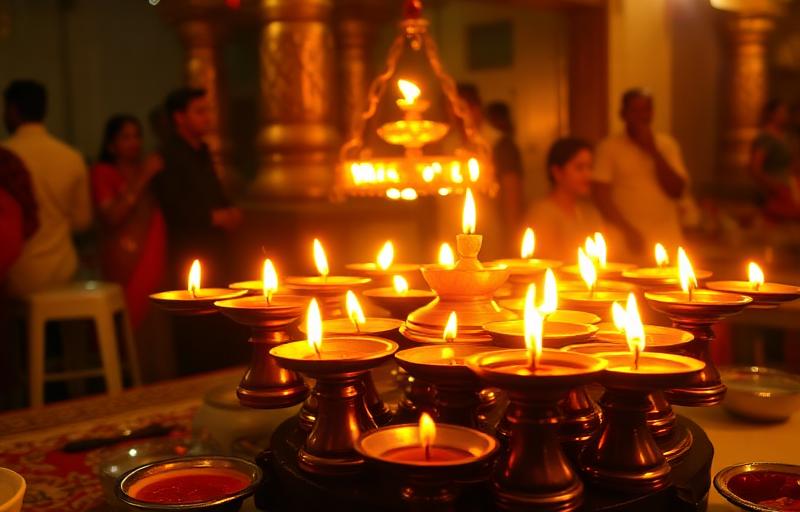
Devotion to the neem tree shows up in everyday customs across Hindu households:
- Neem twigs have traditionally been used for oral hygiene each morning
- Neem leaves are tied above doorways during festivals and times of illness for protection
- Neem flowers mixed with jaggery are eaten on Ugadi and Gudi Padwa, a reminder that life holds both bitterness and sweetness
- Neem is often planted alongside peepal in courtyards as a complementary pair of sacred trees
- Some communities worship the neem tree directly with vermilion and thread during Navratri
Each custom, though simple, reflects the same underlying reverence for this tree's protective, purifying nature.
A Tree of Quiet Healing and Faith
The neem's very bitterness becomes, in devotional life, a gentle lesson in itself, a reminder that even what feels harsh in the moment can carry hidden goodness. Its steady presence near so many homes and temples reflects a quiet, protective faith carried across generations.
As with all sacred trees in Hindu tradition, devotion to the neem is offered as an act of gratitude for its protection and healing, not as a guaranteed transaction, but as faith carried forward with humility.
Frequently Asked Questions
Why is the neem tree considered sacred in Hindu tradition?+
Devotees have long held that the neem tree purifies the air around it and offers protection and healing, a belief tied both to its medicinal qualities and to devotional accounts of its sacred origin during the Samudra Manthan.
Why is the neem tree linked to Shitala Mata?+
In many regions, especially North India, Shitala Mata is worshipped for protection from fevers and pox, and neem leaves, hung at doorways or offered beneath the tree, are traditionally seen as part of seeking her protective, cooling grace.
Why are neem flowers eaten on Ugadi and Gudi Padwa?+
Neem flowers mixed with jaggery are eaten on these New Year festivals as a devotional reminder that life brings both bitterness and sweetness, and that both should be accepted with equal faith and grace.
About the author
Anjali Mehta · Editor, M.A. Religious Studies
Anjali is the managing editor for Vandnaa and oversees the festival and vrat coverage. She holds an M.A. in Religious Studies and reviews every published article for accuracy, accessibility, and tradition-fidelity.
Meet the Vandnaa editorial team →