The Owl Beside Goddess Lakshmi
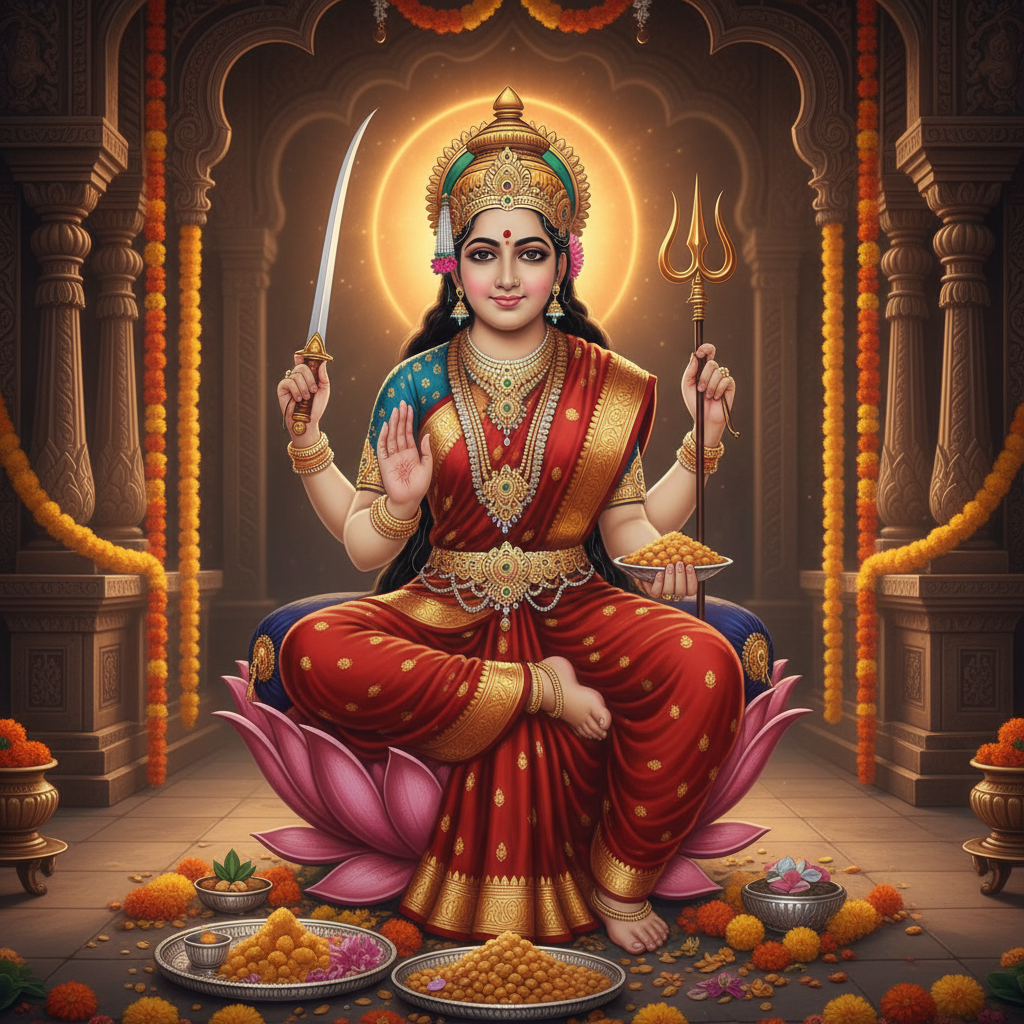
In several regional traditions of India, especially in Bengal and parts of eastern India, the owl (uluka) is depicted as a companion or vahana of Goddess Lakshmi. This is seen vividly during Kojagari Lakshmi Puja, observed on the Sharad Purnima night, where images and idols of the goddess are shown with an owl at her side.
Elsewhere in India, Lakshmi is more commonly shown seated on a lotus, but the owl tradition remains an old and cherished regional expression of devotion, adding its own layer of meaning to the goddess of fortune and abundance.
Why the Owl? The Meaning of Quiet Vigilance
The owl is active through the night while most of the world sleeps, and devotees see in this a symbol of unseen vigilance, watching over wealth and well-being even when they cannot be perceived. During Kojagari Puja, the very word 'kojagari' means 'who is awake', and households traditionally observe a night vigil, staying up in prayer, echoing the wakeful nature of the owl itself.
The owl's silent flight is also read as a lesson that true prosperity is steady and unassuming rather than loud or boastful, a reminder that Lakshmi's blessings are best received with humility, not display.
How Devotees Honour This Tradition
On the night of Kojagari or Sharad Purnima, devotees, particularly in Bengal and Odisha, worship Goddess Lakshmi through the night with diyas, offerings and devotional songs, keeping vigil rather than sleeping, in her honour. Rangoli and footprints of the goddess are often drawn leading to the doorway, welcoming her into the home.
The owl motif appears in puja imagery, songs and folk art connected to this night, gently reminding devotees that Lakshmi's grace is drawn not by noise but by sincere, sustained devotion.
Significance and the Takeaway

As per tradition, devotees believe that honouring Lakshmi with patient, wakeful devotion, as symbolised by the owl, invites steady and lasting prosperity rather than fortune that arrives and vanishes quickly. The owl also teaches groundedness: even amid wealth and abundance, one must stay watchful and humble rather than careless.
Worship of Lakshmi and her traditions, including the gentle symbolism of the owl, is ultimately an act of faith and love, not a transaction, inviting devotees to seek prosperity with patience, sincerity and quiet gratitude.
Frequently Asked Questions
Why is the owl linked to Goddess Lakshmi?+
In several regional traditions, especially in Bengal, the owl symbolizes quiet, unseen vigilance over wealth and well-being, since it stays wakeful through the night while others sleep.
Is the owl considered inauspicious in Hinduism?+
Folk beliefs about owls vary by region, but in Goddess Lakshmi's own iconography, particularly in Bengal, the owl is honoured as her companion and symbol of vigilance, not seen as inauspicious.
What is Kojagari Lakshmi Puja?+
Kojagari Lakshmi Puja is a night-long worship of Goddess Lakshmi observed on Sharad Purnima, mainly in Bengal and Odisha, where devotees keep vigil through the night in her honour.
About the author
Pandit Mahesh Trivedi · Festival Traditions & Panchang
Pandit Mahesh leads the festival-date and Panchang content on Vandnaa. He cross-references multiple regional panchangs (Drik, Vaishnava, Bengali, Marathi) for every festival date published on the site.
Meet the Vandnaa editorial team →