What Is Prana and the Pancha Prana?
Prana is the subtle life energy that animates every living being - the vital force behind breath, circulation, digestion, thought and movement. Yoga and Ayurveda teach that within the body this one prana works through five main currents, called the Pancha Prana or pancha vayus (five airs).
Each vayu governs a different function and flows in a particular region and direction. Together they keep the body alive and balanced, like five helpers each caring for one aspect of the household. When they flow smoothly, we feel healthy and clear; when disturbed, we feel unwell or restless. Practices like pranayama are said to harmonise these vital airs. This is the traditional yogic understanding of our inner energy.
The Five Vital Airs
- Prana Vayu - centred in the chest and heart, moving inward and upward. It governs breathing in and taking in energy, food and impressions. It is the receiving force.
- Apana Vayu - centred in the lower abdomen and pelvis, moving downward and outward. It governs elimination - exhalation, excretion, and letting go. It is the releasing force.
- Samana Vayu - centred at the navel, moving inward and balancing. It governs digestion and assimilation, turning food and experience into nourishment. It is the balancing force.
- Udana Vayu - centred in the throat and head, moving upward. It governs speech, expression, growth and the upward movement of consciousness. It is the ascending force.
- Vyana Vayu - pervading the whole body, moving outward from the centre. It governs circulation and coordination, distributing energy everywhere. It is the pervading force.
Keeping the Pranas in Balance
Yogic tradition offers gentle ways to support the healthy flow of these vital airs:
- Pranayama - conscious breathing practices are said to strengthen and balance the pranas, especially harmonising Prana (in-breath) and Apana (out-breath).
- A calm, regular routine - waking early, eating fresh sattvic food at regular times, and moderate activity keep Samana (digestion) steady.
- Good posture and movement - yoga asanas help Vyana circulate energy and free any blockages.
- Mindful speech and positivity - clear, kind expression supports Udana and an uplifted mind.
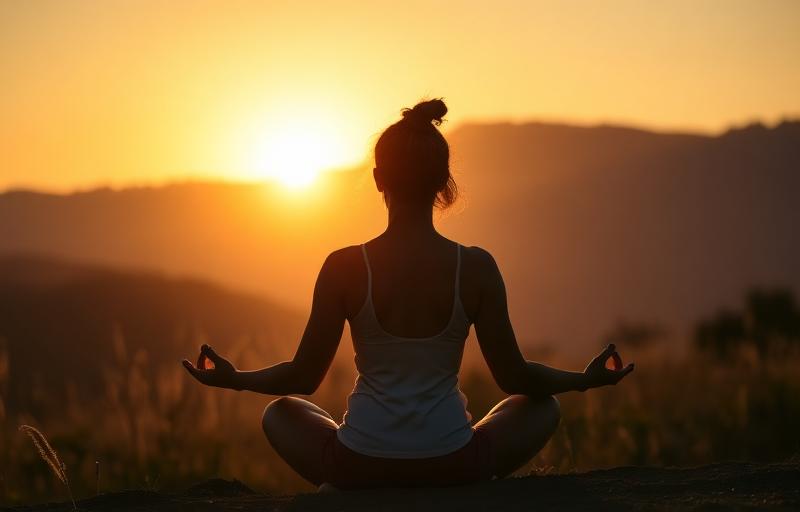
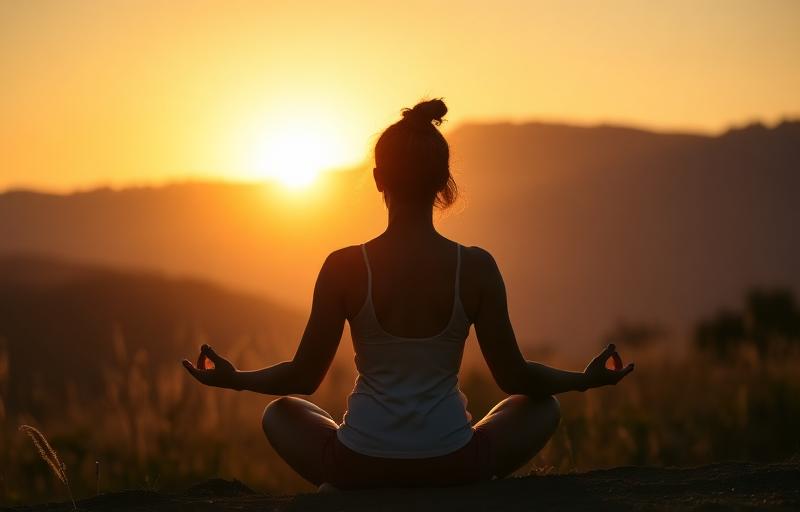
- Meditation - a settled mind allows prana to flow smoothly, bringing calm and clarity.
Learn breathing practices from a qualified teacher and practise within your comfort, especially if you have any health condition. Understood well, the Pancha Prana show that caring for the breath is caring for both body and spirit. This is traditional yogic wisdom, not medical advice.
Quick Answers
What are the five pranas (pancha prana)?+
The five vital airs are Prana (breathing in, centred in the chest), Apana (elimination, in the lower abdomen), Samana (digestion, at the navel), Udana (speech and upward movement, in the throat and head) and Vyana (circulation, pervading the whole body).
What is the difference between Prana and Apana?+
Prana Vayu moves inward and upward, governing the in-breath and taking in energy, while Apana Vayu moves downward and outward, governing the out-breath, elimination and letting go. Balancing these two opposite currents is a central aim of pranayama.
How can I balance the pancha prana?+
Traditional ways include pranayama, a calm regular routine with fresh sattvic food, yoga asanas, mindful and positive speech, and meditation. Learn breathing practices from a qualified teacher and practise within your comfort. This is traditional yogic guidance, not medical advice.
About the author
Pandit Ravindra Sharma · Vedic Rituals & Bhakti, 22+ years
Pandit Ravindra is the Vandnaa editorial team's resident specialist on aarti, chalisa, and daily devotion. He has performed home and temple pujas across Varanasi and Delhi for over two decades and contributes the bhakti-focused articles on this site.
Meet the Vandnaa editorial team →