What Is Panchamukha Shiva?
Panchamukha Shiva, or the five-faced form of Shiva, depicts the deity with five distinct faces, each facing a direction and representing a particular cosmic function. This form, also linked to Sadashiva in certain traditions, is regarded as one of the most complete representations of Shiva's all-encompassing nature.
Each face is traditionally shown with its own expression, colour and symbolic association, together conveying that Shiva's presence extends in every direction and governs every aspect of existence, from creation to grace.
The Five Faces and Their Meaning
According to tradition, the five faces are known by different names across texts, but are broadly understood as follows:
- Sadyojata (facing west) - associated with creation and the material world
- Vamadeva (facing north) - associated with preservation and nourishing energy
- Aghora (facing south) - associated with dissolution and the fierce, transformative aspect
- Tatpurusha (facing east) - associated with concealment and the individual self
- Ishana (facing upward or centre) - associated with grace and the revealing of divine knowledge
Together, these five faces are said to represent the five great cosmic activities attributed to Shiva in tradition.
Significance in Worship
Devotees regard Panchamukha Shiva as a reminder that the divine cannot be limited to a single form or direction. This image is especially significant in temple architecture, where Shiva lingams are sometimes carved with faces on multiple sides to reflect this all-pervading presence.
The form is also closely associated with Panchamukhi Hanuman worship traditions and certain Shaiva Agama texts, where it is used in temple consecration rituals and deeper meditative practices.
How Devotees Worship This Form
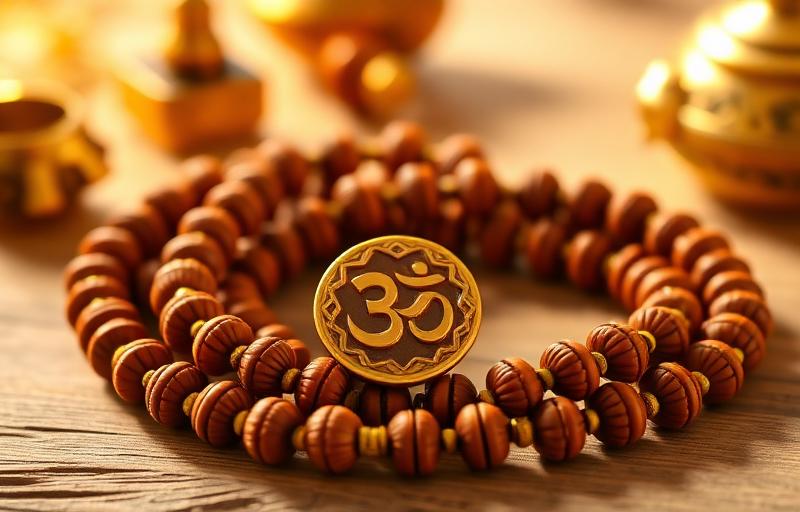
Temples with Panchamukha Shiva images are approached with the same reverence as any Shiva shrine, with devotees circling the sanctum to acknowledge each face in turn. Chanting Om Namah Shivaya while contemplating the five faces is believed to help devotees connect with the fullness of Shiva's nature rather than a single aspect alone.
Some devotees also recite the Panchabrahma Mantras, traditional verses associated with each of the five faces, as part of deeper Shaiva worship.
A Practical Takeaway
The Panchamukha form teaches devotees to see the divine in every direction of life, not only in moments of worship. It encourages an awareness that grace, creation, preservation and even endings are all part of the same sacred whole.
Honouring Shiva in this form is an act of faith and love, not a transaction, inviting a broader, more accepting vision of life's many faces.
Reader Questions Answered
What does Panchamukha Shiva represent?+
Panchamukha Shiva represents the five cosmic functions of creation, preservation, dissolution, concealment and grace, each attributed to one of the five faces.
What are the names of Shiva's five faces?+
The five faces are traditionally known as Sadyojata, Vamadeva, Aghora, Tatpurusha and Ishana, each associated with a direction and cosmic function.
Where is the Panchamukha Shiva form commonly seen?+
This form is seen in select temple sanctums, shivalingam carvings and Shaiva Agama-based worship, often used in temple consecration rituals.
About the author
Anjali Mehta · Editor, M.A. Religious Studies
Anjali is the managing editor for Vandnaa and oversees the festival and vrat coverage. She holds an M.A. in Religious Studies and reviews every published article for accuracy, accessibility, and tradition-fidelity.
Meet the Vandnaa editorial team →