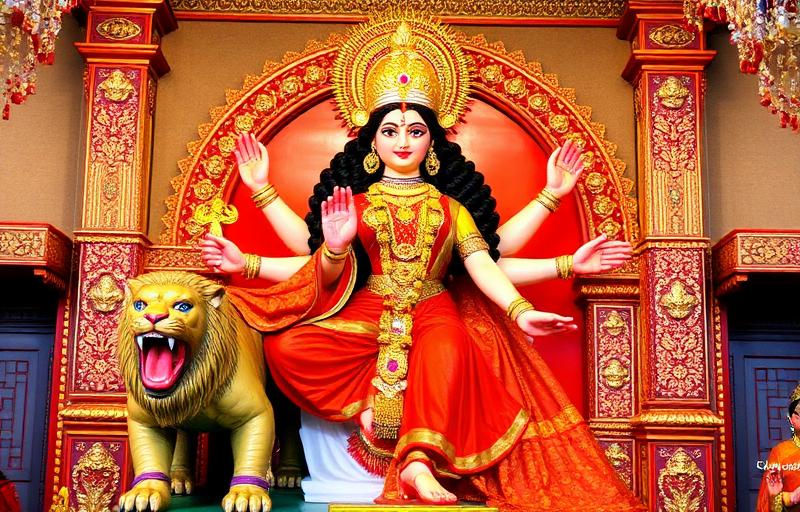
What is Pitambara Peeth?
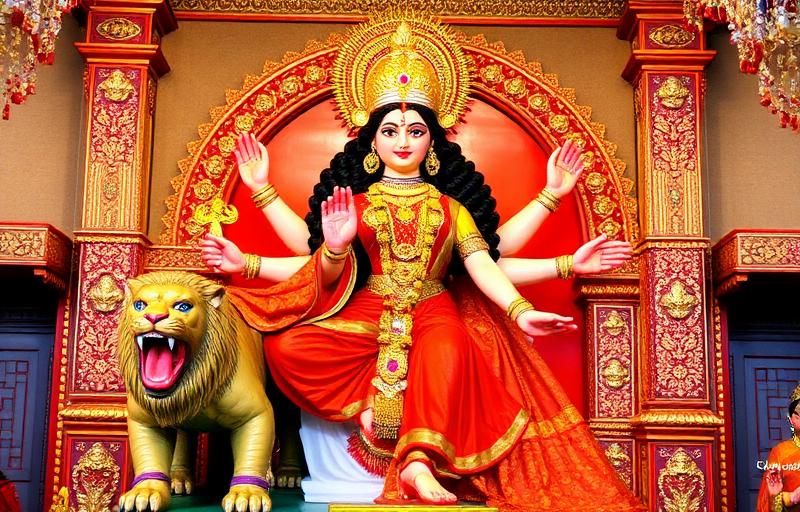
Pitambara Peeth, located in the town of Datia in Madhya Pradesh, is one of India's most significant Siddha Peeths, a centre of devotion and spiritual practice dedicated to the Divine Mother in two of her most powerful forms, Bagalamukhi and Dhumavati, counted among the ten Mahavidyas of Shakta tradition. Unlike temples devoted to the more commonly worshipped forms of Devi, Pitambara Peeth draws devotees specifically seeking these fierce, protective aspects of the goddess.
The peeth has grown over the decades into one of the most visited Shakti shrines in North India, known for the depth of devotion practised there and for drawing devotees from all walks of life, including many who arrive seeking strength during difficult or uncertain periods of their lives.
Bagalamukhi Devi: The Power of Stillness
Bagalamukhi is worshipped as the Mahavidya associated with stambhan shakti, the power to still, restrain or paralyse negative forces, whether external obstacles or the restless movements of one's own mind. Traditionally shown in yellow attire, holding her devotee's tongue and a mace, she is approached by devotees seeking protection from harm, injustice or overwhelming opposition in their lives.
Devotees describe her energy as one of calm, focused strength rather than aggression, the power to bring chaos to a standstill so that clarity and justice can follow. Prayers here are offered with faith in her ability to still what feels uncontrollable, not as a means of harming others.
Dhumavati Devi: The Mahavidya of Detachment
Dhumavati, worshipped alongside Bagalamukhi at this peeth, is among the more esoteric of the ten Mahavidyas, depicted as an elderly, widow-like figure associated with smoke, emptiness and the qualities that lie beyond ordinary desire. Rather than being approached for worldly gain, Dhumavati is worshipped by devotees seeking inner strength, detachment and the courage to face loss, hardship or the parts of life that feel bare and difficult.
Her worship reflects an important thread within Shakta philosophy, that the Divine Mother is present not only in beauty, abundance and joy but also in scarcity, endings and the parts of existence that are usually feared or avoided. Devotees approach her not with fear but with the same trust they would bring to any form of the goddess.
History and Establishment of the Peeth
Pitambara Peeth in its present form was established in the twentieth century through the devotion and spiritual practice of a revered saint remembered by devotees as Swami Ji Maharaj, whose dedicated worship of Bagalamukhi laid the foundation for what has since grown into a major centre of Shakti worship. Under the guidance of this lineage, the peeth developed structured rituals and practices that continue to this day.
Over time, Pitambara Peeth earned a reputation reaching well beyond Datia and Madhya Pradesh, drawing devotees, including public figures navigating difficult circumstances, from across the country, all seeking the same thing ordinary devotees do, strength, protection and clarity through sincere devotion.
Darshan Guide and How to Reach
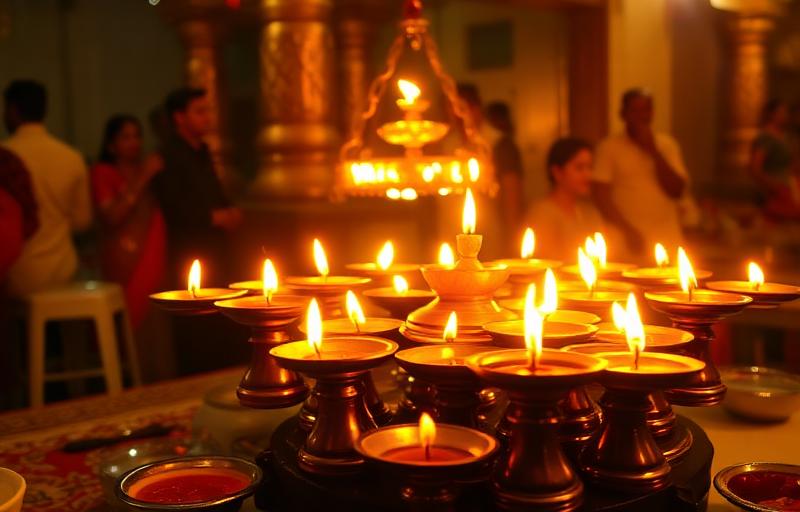
The peeth follows a structured daily schedule of aarti and worship, with devotees often undertaking specific anushthans, focused periods of prayer or recitation, under the guidance of temple priests. The site is especially busy during Navratri, when devotional activity around the peeth intensifies considerably.
Datia is well connected by rail, sitting on a route linking it to Jhansi and Gwalior, with Gwalior's airport serving as the nearest major air connection. Regular buses and taxis run between Gwalior, Jhansi and Datia, making the peeth accessible as part of a wider pilgrimage circuit through this part of Madhya Pradesh.
Mantra to Chant and the Takeaway
Devotees at Pitambara Peeth often chant "Om Hleem Bagalamukhi Sarvadushtanam Vacham Mukham Padam Stambhaya Jihvam Kilaya Buddhim Vinashaya Hleem Om Swaha", the traditional Bagalamukhi mantra invoking her stilling, protective power, alongside quieter prayers to Dhumavati for strength through hardship.
Pitambara Peeth reminds devotees that the Divine Mother meets us not only in joy but in our struggles, offering stillness when life feels chaotic and courage when it feels bare. As with every sacred site, devotion here is best offered as an act of faith and love, not a transaction.
Quick Answers
Who is worshipped at Pitambara Peeth, Datia?+
Pitambara Peeth is dedicated to two of the ten Mahavidyas of Shakta tradition, Bagalamukhi Devi and Dhumavati Devi, both powerful and protective forms of the Divine Mother.
What is Bagalamukhi Devi's stambhan shakti?+
Stambhan shakti refers to the power to still or restrain negative forces and obstacles, whether external challenges or a restless mind, and devotees pray to Bagalamukhi for protection and clarity through this power.
When is the best time to visit Pitambara Peeth?+
Navratri is the most significant time to visit, when devotional activity at the peeth intensifies considerably, though the site follows an active daily schedule of aarti and worship throughout the year.
About the author
Pandit Ravindra Sharma · Vedic Rituals & Bhakti, 22+ years
Pandit Ravindra is the Vandnaa editorial team's resident specialist on aarti, chalisa, and daily devotion. He has performed home and temple pujas across Varanasi and Delhi for over two decades and contributes the bhakti-focused articles on this site.
Meet the Vandnaa editorial team →